Turnkey Online Casino: Your Step-by-Step Launch Playbook for 2026
Launching a turnkey online casino in 2026 means moving faster than a custom build but making smarter decisions than a plain white-label. This playbook walks you through every step — from jurisdiction and platform selection to payment stack assembly and go-live — in the order you actually need to do them.
A turnkey online casino is a fully assembled, operator-ready platform — software engine, game aggregator, payment processing and back-office — delivered by a B2B supplier so you can launch under your own licence and brand. Unlike a white-label, you hold the gambling licence yourself, which means more regulatory responsibility but also full control over margins, player data and brand positioning.
What exactly is a turnkey online casino and how does it differ from white-label?
A turnkey online casino is a fully assembled, operator-ready platform — software engine, game aggregator, payment processing and back-office — delivered by a B2B supplier so you can launch under your own licence and brand. Unlike a white-label, you hold the gambling licence yourself, which means more regulatory responsibility but also full control over margins, player data and brand positioning.
The terminology gets blurry in vendor sales decks, so let me be precise. A white-label arrangement means you operate under the platform provider's master licence — fast to launch, zero licensing cost upfront, but you're essentially a sub-brand with capped revenue share and no direct regulator relationship. A turnkey solution hands you the same assembled technology stack but requires you to obtain and maintain your own gambling licence. That distinction drives every downstream decision about jurisdiction, compliance staffing and long-term exit value.
Turnkey providers typically bundle a casino management system (CMS), a game aggregation layer connecting you to dozens of studios, a payment gateway integration, KYC/AML tooling, and a front-end template you can skin as your own brand. SoftSwiss, for example, packages this as their iGaming Software solution and charges a combination of setup fee plus revenue share. EveryMatrix structures it similarly through their CardsChat-era Casino Engine product. The point is: you're buying speed-to-market without sacrificing ownership.
The practical implication is that a turnkey operator carries real liability. You sign the player agreements, you own the AML programme, and if your licence gets suspended, your casino goes dark — not the vendor's. First-time operators consistently underestimate the compliance overhead that comes with holding your own licence. That's not a reason to avoid turnkey; it's a reason to budget for a compliance officer or at least a part-time regulatory consultant from day one.
| Factor | Turnkey | White-Label | Custom Build |
|---|---|---|---|
| Licence holder | You (operator) | Platform provider | You (operator) |
| Time to launch | 4–12 weeks | 2–4 weeks | 12–24+ months |
| Upfront cost (est.) | $30k–$80k setup | $5k–$20k setup | $500k–$2M+ |
| Revenue share to vendor | 15–25% GGR typical | 40–60% GGR typical | None (own stack) |
| Brand/data ownership | Full | Limited | Full |
| Compliance responsibility | Operator | Shared/provider | Operator |
| Scalability ceiling | Medium–High | Low–Medium | Unlimited |
Which jurisdiction should you choose before signing any platform contract?
Choose your target player market first, then work backwards to the jurisdiction that legally covers it. For offshore operators targeting tier-2 and tier-3 markets, Curaçao eGaming and Anjouan are the fastest and cheapest entry points in 2026. If you're targeting European players seriously, the Malta Gaming Authority (MGA) or Isle of Man are the credibility standard. US operators must work state by state — there is no federal shortcut.
Jurisdiction selection is genuinely the first decision, not the third. I've seen operators sign a platform contract, build their game catalogue, and then discover their chosen jurisdiction doesn't allow their target payment methods or player markets. That's an expensive sequence error. Lock the regulatory framework before you talk to a single platform vendor, because the platform's compliance tooling, KYC integrations and restricted-country lists must align with your licence conditions.
Curaçao reformed its licensing framework in 2023 and continued tightening in 2024–2025. The new Curaçao Gaming Control Board (GCB) structure replaced the old master-licence sublicence system, so you now apply directly with the GCB. Timeline is roughly 8–14 weeks for a new application in 2026; fees are in the range of $15,000–$30,000 for the initial licence, though these figures shift — verify current fee schedules directly with the GCB. The Anjouan licence (issued by the Anjouan Offshore Finance Authority) is cheaper and faster, often cited at under $15,000 and 4–6 weeks, but carries less market credibility and some payment processors won't touch it.
MGA licensing is the gold standard for European credibility but costs significantly more — budget $25,000–$35,000 in application fees alone, plus a 4–6 month timeline and ongoing compliance costs that include a designated Key Function holder and annual audits. For LATAM markets, Colombia's Coljuegos and Peru's MINCETUR are legitimate regulated options but require local corporate presence and are genuinely complex for first-timers. Mexico's SEGOB has been issuing licences but the process is opaque. My honest recommendation for a first-time operator with under $200,000 total budget: start with Curaçao GCB, build your product, generate revenue, then re-licence under MGA once you have operating history to show.
| Jurisdiction | Regulator | Est. Licence Fee | Timeline | Best For |
|---|---|---|---|---|
| Curaçao | GCB | $15k–$30k | 8–14 weeks | Offshore/global tier-2 markets |
| Anjouan | AOFA | $8k–$15k | 4–6 weeks | Budget offshore, crypto-heavy |
| Malta (MGA) | MGA | $25k–$35k+ | 4–6 months | EU players, credibility-focused |
| Isle of Man | GSC | $20k–$40k | 3–5 months | EU/UK-adjacent, fintech-friendly |
| Gibraltar | GRA | $30k–$50k+ | 4–6 months | UK market access (post-UKGC review) |
| Colombia | Coljuegos | Variable | 6–12+ months | LATAM regulated market |
| US (NJ/PA/MI etc.) | State DGE/PGCB/MGC | $100k–$500k+ | 12–24+ months | US players — high cost, high reward |
How do you evaluate and select a turnkey platform provider?
Evaluate turnkey providers on five axes: game aggregator depth (number of studios and live casino options), payment method coverage in your target markets, revenue share structure, compliance tooling maturity, and the quality of their technical support SLA. Get a demo environment, stress-test the back-office, and read the contract's exit clause before you sign anything.
The provider landscape in 2026 is more crowded than ever, but a handful of names dominate serious operator conversations. SoftSwiss (now rebranded as SOFTSWISS) runs one of the deepest game aggregators on the market — their Game Aggregator product connects to 200+ studios and 23,000+ games. Their turnkey casino product is a legitimate choice for operators targeting crypto-friendly markets, and they have a Curaçao compliance layer baked in. EveryMatrix offers Casino Engine plus their own Odds Matrix sportsbook if you want a combined product; their payment hub (MoneyMatrix) is genuinely strong for European payment method coverage. Pragmatic Solutions (the B2B arm, not the game studio) and Digitain are worth evaluating for operators targeting LATAM and Eastern Europe respectively.
Revenue share is where deals get signed but operators later feel the squeeze. A 20% GGR revenue share sounds manageable until you're running a $500k/month GGR casino and writing a $100k check to your platform vendor every month. Push for tiered structures: something like 20% on the first $100k GGR monthly, stepping down to 15% above $300k. Most vendors will negotiate if you have a credible business plan and some initial deposit. Also watch for the 'minimum monthly fee' clause — many contracts include a floor of $3,000–$10,000/month regardless of GGR, which matters a lot in your first six months when volumes are low.
The exit clause deserves its own paragraph because operators discover it too late. Some turnkey contracts include 12–24 month lock-in periods with penalties for early termination. If your platform underperforms and you want to migrate, you need to know whether you can export your player database (including KYC documents and transaction history) in a portable format. Ask for this explicitly in writing before signing. I've seen operators trapped on underperforming platforms for 18 months because they didn't read page 14 of the MSA.
Explore the launch guides

How to Start an Online Casino in 2026: The Operator's Real-World Playbook
Starting an online casino in 2026 means navigating licensing, platform architecture, payment rails and game content before you take a single bet. This playbook covers every decision point — with real costs, timelines and the trade-offs vendors rarely put in their pitch decks.
White Label vs Turnkey Casino
Compare white label, turnkey and custom casino solutions: control, cost, speed and when each model wins.
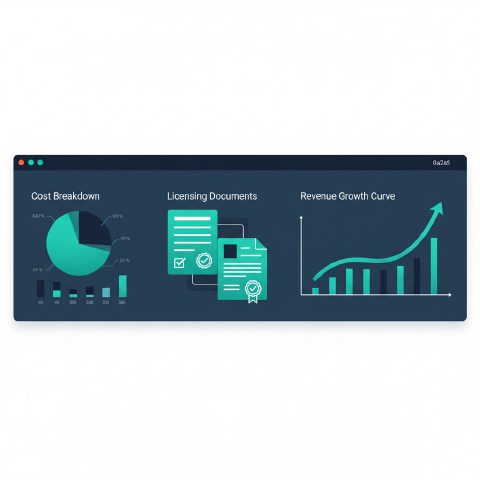
How Much Does It Cost to Start an Online Casino in 2026: Real Numbers, Hidden Fees & ROI Timelines
Starting an online casino in 2026 costs anywhere from $30,000 for a lean white-label offshore setup to well over $2 million for a licensed, custom-built operation in a regulated market. This guide breaks down every cost layer — licensing, platform, games, payments, compliance, and marketing — plus realistic timelines to profitability.
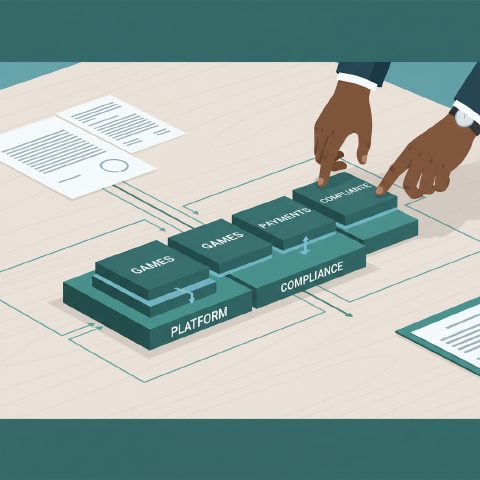
iGaming Software & Platform: How to Choose the Right igaming Software Provider in 2026
Choosing the wrong iGaming software provider is the single most expensive mistake an operator can make before launch. This guide breaks down every platform model, names the real providers, and gives you the numbers vendors bury in their sales decks.

iGaming Payments: How to Build an Online Casino Payment Gateway Stack That Actually Converts in 2026
Building a payment stack for an online casino is harder than picking a processor — it's a multi-layer architecture decision that determines your conversion rate, chargeback exposure, and regulatory standing from day one. This guide breaks down exactly how to structure it.
Casino Game Content & Aggregators
Game aggregators, live dealer providers, slot suppliers and casino game APIs for operators.

The 2026 Gambling License Guide: Every Jurisdiction, Real Cost, and Trade-Off Operators Need to Know Before They Apply
Choosing the wrong gambling license can cost you six figures and six months you'll never get back. This guide breaks down every major jurisdiction — offshore, EU, and US — with honest figures, realistic timelines, and the trade-offs vendors rarely mention.
What does a realistic turnkey casino launch timeline look like?
A realistic turnkey launch from zero to live — assuming a Curaçao licence and an established platform provider — runs 10 to 16 weeks for a focused operator. The licence application and platform integration run in parallel for most of this. The biggest delays come from payment processor onboarding, which routinely takes longer than vendors promise.
Here's the sequence I recommend, with honest timing: Week 1–2, incorporate your operating company (typically in Curaçao, Malta, or a low-tax jurisdiction like BVI) and engage a licensing agent or law firm. Week 2–4, submit your licence application — for Curaçao GCB this means AML policy, corporate documents, business plan, and source-of-funds documentation for all UBOs. Simultaneously, sign your platform contract and get access to the staging environment. Week 4–8, configure your game catalogue, set up your bonus engine, customise the front-end template, and begin payment processor applications. Week 8–12, complete QA testing, responsible gambling tooling review, and any compliance sign-off required by your licence. Week 12–16, receive your licence, flip the DNS, and go live in soft launch with a limited marketing push.
The payment processor onboarding step is where timelines blow up. Card processing for gambling is high-risk, and most acquiring banks require 4–8 weeks for underwriting even after you have your licence. Apply to multiple processors simultaneously — target at least two card acquirers plus one or two alternative payment method providers (Skrill, Neteller, Trustly for European markets, or local wallets for LATAM). If you're launching a crypto-first casino, this timeline compresses significantly because crypto payment integrations are faster and don't require traditional banking approval.
Soft launch discipline matters. I strongly recommend going live with a limited traffic cap — invite-only or geo-restricted — for the first 2–4 weeks. This lets you catch back-office configuration errors, payment flow bugs, and bonus abuse vectors before your full marketing spend is running. Operators who skip soft launch and go straight to affiliate traffic acquisition often spend their first month firefighting preventable issues while their CPA costs burn.
What does a turnkey online casino actually cost to launch?
Total first-year cost for a Curaçao-licensed turnkey launch typically falls between $80,000 and $200,000, covering licence fees, platform setup, payment processing deposits, game content costs, front-end development and initial marketing. MGA or US state licensing pushes the floor significantly higher. The biggest variable is marketing — operators who underbudget here fail faster than those who overpay for platform.
Let me break the cost structure into its real components. Licensing: $15,000–$35,000 for Curaçao GCB including agent fees; double that for MGA. Platform setup fee: $20,000–$60,000 depending on provider and customisation scope. Monthly platform costs: $3,000–$10,000 minimum fee plus 15–25% GGR revenue share. Payment processing: most high-risk acquirers require a rolling reserve of 5–10% of transaction volume held for 180 days — this is working capital you need to fund upfront, and it can run to $20,000–$50,000 within the first few months of operation. Front-end design and development beyond the template: $10,000–$30,000 if you want something that doesn't look like every other casino on the same platform skin.
Game content costs are often misunderstood. Most turnkey platforms include game aggregation in the revenue share, meaning you don't pay studios directly — the platform takes a cut and distributes to studios. However, some premium live casino content (Evolution Gaming's exclusive tables, for example) carries additional fees or minimum monthly guarantees. If Evolution is in your game plan, budget for a direct contract negotiation or confirm your platform's existing Evolution deal covers the tables you want.
Marketing is where first-time operators consistently underbudget. Affiliate marketing in competitive markets costs $200–$500+ CPA for a depositing player. If you're targeting competitive English-language markets, budget at least $30,000–$50,000 for the first three months of affiliate spend just to generate meaningful data. Operators who launch with $10,000 in marketing budget and expect organic growth to carry them are usually gone within six months. The realistic minimum viable marketing budget for a credible launch is $50,000 for the first year, and that's lean.
How should you build your game catalogue and which studios matter most?
Start with the top 10–15 studios by player demand in your target market, ensure you have a strong live casino offering from day one, and fill the catalogue depth with your aggregator's broader library. Don't try to integrate every studio — a focused catalogue of 1,500–3,000 games from proven providers converts better than 10,000 games from obscure studios.
Player behaviour data consistently shows that 80% of slot revenue on most casinos comes from 20% of the game catalogue. The studios that dominate that 20% in most markets are: Pragmatic Play (slots and live casino), Evolution Gaming (live casino — genuinely non-negotiable for a serious product), NetEnt/Red Tiger (now under Evolution Group), Play'n GO, Hacksaw Gaming, and Nolimit City. If your turnkey platform's aggregator doesn't include all of these, that's a meaningful gap. Check the studio list before signing the platform contract, not after.
Live casino deserves special attention because it's the highest-margin and highest-retention product category. Evolution holds a dominant market position and their exclusive game shows (Crazy Time, Monopoly Live, etc.) are genuine player acquisition tools — players specifically search for them. Pragmatic Play Live is a credible alternative at lower cost and with more flexible commercial terms for smaller operators. Some turnkey platforms have exclusive or preferred live casino deals that restrict which provider you can use; clarify this upfront.
For crypto casinos, the game catalogue question extends to provably fair and crash game content — providers like Spribe (Aviator is a massive player acquisition driver in Africa and LATAM), BGaming, and Turbo Games are relevant. If your platform doesn't aggregate these, you'll be at a competitive disadvantage in markets where crash games and fast games are the dominant player preference. This is a market-specific decision, but it's one worth making consciously rather than discovering after launch.
What payment methods does a turnkey casino need at launch?
At minimum you need Visa/Mastercard card processing, at least one e-wallet (Skrill or Neteller for European markets), and a bank transfer option. For crypto-targeting operators, add Bitcoin and Ethereum support from day one. The payment stack is often the hardest part of the launch to assemble — start applications 8–10 weeks before your target go-live date.
Payment method coverage directly determines conversion rate and player lifetime value. A player who can't deposit with their preferred method leaves and doesn't come back. The problem is that gambling payment processing is genuinely difficult — banks are risk-averse, high-risk acquirers have lengthy onboarding processes, and some payment methods have explicit gambling restrictions in certain jurisdictions. Your turnkey platform will likely offer a payment hub (EveryMatrix's MoneyMatrix, SoftSwiss's payment module, etc.) that pre-integrates many methods, but you still need to apply for and be approved by each processor individually.
For card processing, you need a high-risk merchant account. Providers that work with licensed gambling operators include Payvision, Nuvei, Paysafe, and various smaller acquirers. Expect processing fees of 3–5% on gambling transactions versus 1–2% for standard e-commerce — that's a real margin hit that needs to be in your financial model. Nuvei has been particularly active in the iGaming space and offers a relatively streamlined onboarding for licensed operators; Paysafe owns Skrill and Neteller which simplifies the e-wallet piece if you go with them.
For LATAM markets, local payment methods are non-negotiable. In Brazil, PIX is the dominant payment rail and any operator seriously targeting Brazilian players needs PIX integration — operators without it are at a severe disadvantage. In Mexico, OXXO cash vouchers and SPEI bank transfers are the standard. In Colombia, PSE (Pagos Seguros en Línea) is the primary bank transfer method. These local integrations add complexity but they're the difference between a product that converts and one that doesn't. Check whether your turnkey platform's payment hub covers them or whether you need direct integrations.
What compliance and responsible gambling requirements must you implement before going live?
Before going live you must have a documented AML/KYC programme, a responsible gambling toolset (deposit limits, self-exclusion, reality checks), age verification processes, and a complaints procedure. The specific requirements depend on your licence jurisdiction, but cutting corners here is the fastest way to lose your licence or face enforcement action.
Your AML programme is a legal document, not a checkbox. It needs to identify your risk appetite, define your customer due diligence (CDD) tiers, specify when enhanced due diligence (EDD) triggers, and name a Money Laundering Reporting Officer (MLRO). For Curaçao GCB licences, the AML requirements tightened materially in 2023–2024 and are now closer to MGA standards than the old sublicence regime was. You need this document drafted before your licence application, and it needs to be a real operational policy — not a template you downloaded and put your logo on. Regulators can and do audit these.
KYC tooling is where most turnkey platforms add genuine value. Providers like Sumsub, Onfido, and Jumio integrate directly with major platforms and automate document verification, liveness checks, and PEP/sanctions screening. Budget $0.50–$2.00 per verified player depending on the provider and verification depth. Some platforms include basic KYC tooling in their package; others charge separately. Clarify this in your contract negotiation because KYC costs at scale are meaningful.
Responsible gambling (RG) tooling is both a regulatory requirement and a player retention tool. Deposit limits, loss limits, session time limits, cool-off periods, and self-exclusion are the baseline. For MGA-licensed operators, RG requirements are detailed and audited. For Curaçao GCB, the requirements are lighter but growing. Beyond compliance, a well-implemented RG system reduces chargeback rates and extends player lifetime value — problem gamblers generate chargebacks and then chargeback disputes that cost operators real money. Implement RG tooling properly from day one, not as an afterthought.
How do you acquire your first players and what marketing channels work for a new turnkey casino?
Affiliate marketing is the dominant acquisition channel for new casino operators — it's performance-based, scalable and doesn't require upfront media buying expertise. SEO and content marketing build long-term organic traffic but take 6–12 months to gain traction. Paid social and search ads for gambling are heavily restricted in most jurisdictions and rarely the right first channel for a new operator.
Affiliate marketing works because you pay on performance — typically a revenue share of 25–45% of net gaming revenue (NGR) or a CPA of $100–$500 per depositing player, depending on the market. The major affiliate networks for casino are Income Access (owned by Paysafe), MyAffiliates, and TUNE; your turnkey platform may include an affiliate management module. Sign up with 5–10 affiliate partners in your target market before launch, get your creatives and tracking links ready, and plan a launch bonus offer that affiliates can promote. A competitive welcome bonus (100% match up to $200, for example) is table stakes for affiliate recruitment.
SEO is a longer game but it's where sustainable operator economics live. Ranking for terms like 'online casino [country]' or 'best slots [city]' generates traffic at near-zero marginal cost once you're ranking. The challenge is that casino SEO is one of the most competitive verticals on the internet — you're competing against established operators with years of domain authority. Focus your early SEO on long-tail, lower-competition terms and build topical authority through genuine content. Don't buy link packages from SEO vendors promising casino rankings in 90 days — that's a penalty waiting to happen.
Social media and influencer marketing for casino is jurisdiction-specific and increasingly restricted. The UK, for example, has tight rules around gambling advertising targeting. In less regulated markets, Twitch streaming and YouTube content from casino influencers can drive significant player acquisition, but vet your affiliate partners carefully — you're responsible for the marketing claims made on your behalf under most licence conditions. One rogue affiliate making misleading bonus claims can trigger a regulatory inquiry that costs more than your entire marketing budget.
What are the most common mistakes first-time turnkey operators make?
The most damaging mistakes are: choosing a jurisdiction based on cost alone without checking player market access, underbudgeting for payment processing working capital, signing a platform contract without reading the exit clause, and launching without a soft-launch phase. These four errors account for the majority of failed first-year launches I've seen.
Jurisdiction mismatch is the most expensive mistake because it's the hardest to fix. I've watched operators licence in Anjouan, then discover their primary target market (say, Germany or the Netherlands) has explicit blocking requirements for Anjouan-licensed operators, and their payment processors won't onboard them for those markets. The fix requires re-licensing — a 3–6 month process that burns runway. Do the market access research before you choose your jurisdiction, not after.
Platform lock-in is the second most common regret. Operators sign with a vendor offering a low setup fee and a high revenue share, grow the casino to meaningful GGR, and then realize they're paying 25% of revenue to a platform that isn't innovating. When they try to migrate, they discover a 24-month lock-in or a player data portability clause that makes migration practically impossible. The negotiating leverage you have before signing is far greater than after. Use it. Push for a 12-month maximum lock-in, data portability guarantees in the contract, and a defined migration support process.
Underestimating the time and cost of payment processing is almost universal among first-timers. The rolling reserve requirement alone — typically 5–10% of card transaction volume held by the acquirer for 180 days — can tie up $30,000–$80,000 in working capital within the first few months of a successful launch. Operators who launch with $100,000 total capital and don't account for this find themselves cash-flow negative at exactly the moment their casino is growing. Model this in your financial plan before you start, not after your first merchant statement arrives.
Finally: don't skip the soft launch. I know the temptation — you've been working on this for four months, you're excited, you want to turn on affiliate traffic immediately. Resist it. Two weeks of invite-only soft launch with real money will surface payment flow errors, bonus abuse vectors, and back-office configuration gaps that would otherwise cost you real money and real players. The operators who soft-launch properly have materially better first-year outcomes than those who don't. This is one of those things that's obvious in retrospect and ignored in the moment.
Latest guides
 listicle
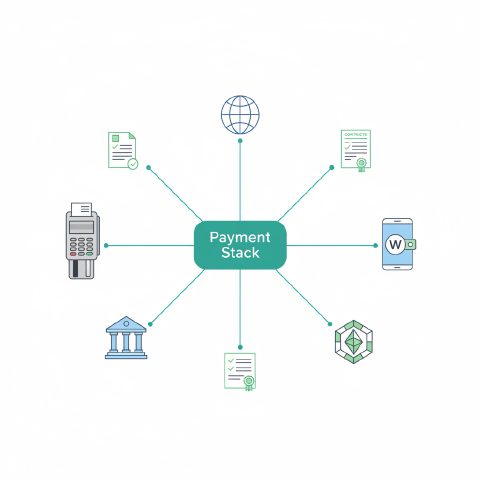
Best iGaming Payment Providers 2026
Choosing the wrong casino payment provider in 2026 can quietly kill your conversion rate before you even notice. This guide ranks the top iGaming payment solutions by what actually matters to operators: approval rates, integration depth, licensing fit, and total cost.
 pillar
Online Casino Payment Gateway Guide 2026
Choosing the wrong online casino payment gateway doesn't just hurt conversion — it can freeze your funds, kill your license, or lock you into a contract you can't exit. This guide cuts through the sales decks.
 spoke
spoke
Online Gambling Merchant Account Complete Guide
Getting an online gambling merchant account approved is harder than most vendors admit. This guide covers the real requirements, costs, reserve structures, and provider options operators face in 2026.
 spoke
spoke
iGaming Payment Solutions for Operators
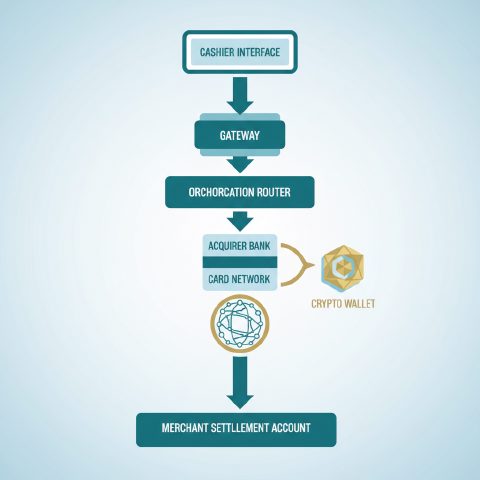
Choosing the right iGaming payment solution is the single most consequential back-office decision you'll make after licensing. This guide cuts through the vendor pitch decks and gives you the real architecture, costs, and trade-offs behind a payment stack that actually converts.
 spoke
spoke
iGaming Payment Processing How It Works 2026
iGaming payment processing is the single most fragile part of any casino launch — the wrong stack kills conversion before a player ever deposits. This guide breaks down every layer, from acquiring to crypto rails, with real provider names and operator trade-offs.
 glossary
RTP and RNG in Online Casino Games Explained
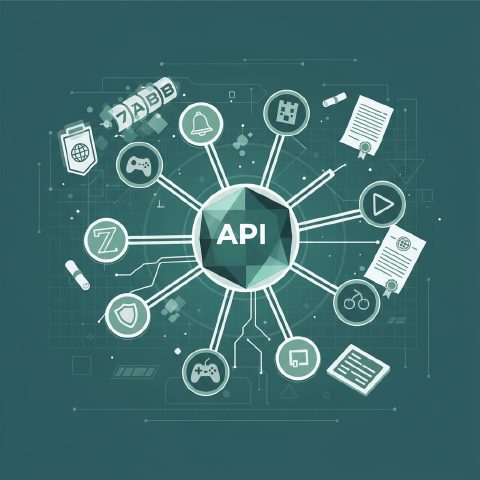
RTP and RNG are the mechanical foundation of every game on your platform — understanding how they're certified, what figures are commercially viable, and how regulators audit them is non-negotiable before you sign your first casino games provider contract.
 spoke
spoke
Slot Games Providers for Operators 2026
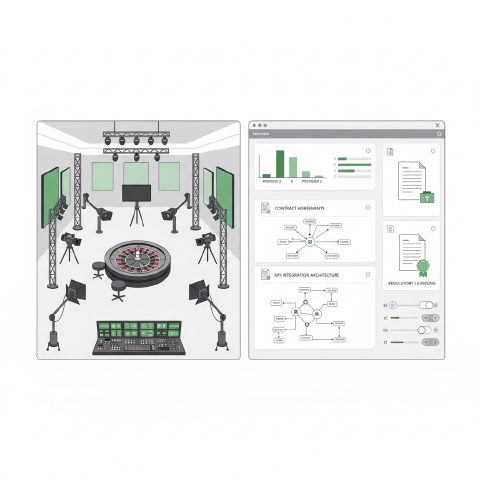
Picking a slot games provider isn't just a content decision — it's a licensing, revenue-share, and platform-integration decision that will define your casino's performance for years. This guide cuts through vendor marketing to show operators exactly what to evaluate, what to pay, and what to avoid.
 listicle
Live Dealer Casino Providers Compared
Choosing a live casino provider is one of the highest-stakes decisions a new operator makes — the wrong pick means thin table counts, poor mobile performance, and a revenue share that bleeds you dry. This guide cuts through the vendor decks.
 spoke
spoke
Online Casino Games API Integration Explained
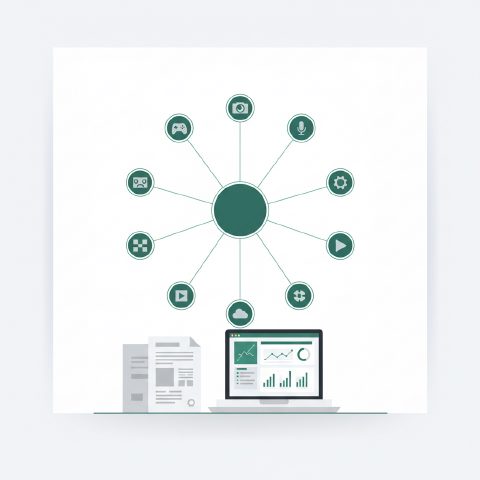
Integrating an online casino games API is the single biggest technical decision a new operator makes — and the one with the most expensive surprises. This guide cuts through the vendor pitch decks to explain how aggregator APIs, direct studio connections and hybrid stacks actually work in 2026.
 listicle
Best Casino Game Aggregators 2026 Reviewed
Choosing the right casino games aggregator is one of the highest-leverage decisions you'll make at launch. This review cuts through the sales pitch and compares the platforms operators actually build on in 2026.
 glossary
What Is a Casino Aggregator
A casino aggregator is a B2B middleware layer that gives operators access to hundreds of game studios through a single API integration. This guide breaks down exactly how aggregators work, what they cost, and when a direct studio deal makes more sense.
 pillar
Casino Games Aggregator Complete Guide 2026
A casino games aggregator gives operators a single API connection to hundreds of game studios — but the contract terms, rev-share stacks, and certification requirements vary wildly. This guide cuts through the vendor pitch decks and tells you what actually matters before you sign.
 spoke
spoke
Telegram Casino Software Development Guide
Telegram mini-app casinos are attracting serious operator capital in 2026, but the build is more complex than vendors admit. This guide breaks down the real architecture, licensing options, payment stack, and cost ranges you need before signing a development contract.
 spoke
spoke
iGaming Fraud Detection and Prevention Solutions
Fraud is the tax no one budgets for. This guide breaks down the real igaming fraud detection and prevention solutions available in 2026 — what they cost, how they integrate, and which operators actually need what.
 spoke
spoke
iGaming CRM Software for Player Retention
Choosing the wrong iGaming CRM platform is one of the most expensive mistakes an operator makes after launch. This guide cuts through vendor decks to show you what retention software actually does, what it costs, and which providers are worth your time in 2026.
 spoke
spoke
Casino API Integration Guide for Operators
Casino API integration is the technical backbone of every online casino launch, connecting game content, payments, KYC, and back-office tools into a single operating environment. This guide cuts through vendor marketing to give operators a clear picture of what integration actually involves, what it costs, and where projects go sideways.
 spoke
spoke
Multilingual iGaming Platform Why It Matters
Running a single-language casino in 2026 is a deliberate choice to leave money on the table. This guide breaks down what a multilingual iGaming platform actually requires — technically, commercially and operationally — so you can budget and plan for it before your first line of contract is signed.
 spoke
spoke
Custom Casino Software Development When to Build
Custom casino software development is the highest-cost, highest-control path to launching an online casino. This guide breaks down when the economics justify a bespoke build, what it actually costs, and which operators should walk away from the idea entirely.
 glossary
What Is PAM Software in iGaming
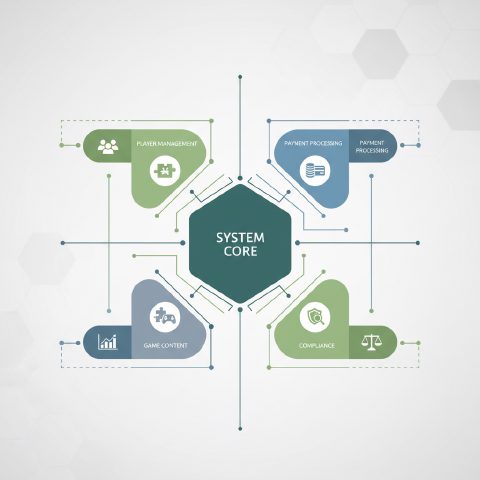
PAM — Player Account Management — is the operational core of any online casino: it owns the player record, manages bonuses, enforces limits, and feeds every compliance report. Get this choice wrong and you'll be rebuilding your stack inside eighteen months.
 glossary
Casino Management System for Online Casinos Explained
A casino management system (CMS) is the operational backbone of any online casino — handling player accounts, bonuses, payments, reporting, and compliance from a single back-office interface. This guide breaks down exactly what it does, what it costs, and which platform approach fits your launch.
 spoke
spoke
How to Choose an iGaming Software Provider
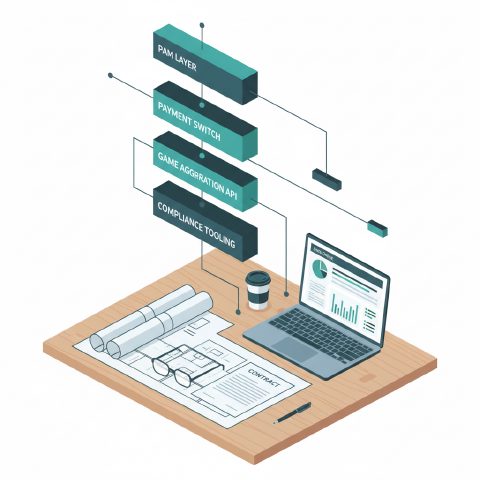
Choosing the wrong iGaming software provider is the most expensive mistake an operator can make before launch. This guide cuts through vendor marketing to give you the framework that actually works.
 spoke
spoke
iGaming Software Development Cost and Process
iGaming software development can run from $30k for a white-label setup to well over $2M for a custom platform. This guide cuts through vendor marketing to show what each path actually costs, how long it takes, and which mistakes operators make before they've written a single line of code.
 listicle
Best iGaming Software Providers 2026 Compared
Choosing the wrong iGaming software provider costs operators six figures and months of rebuild time. This ranked comparison cuts through the sales decks to show you exactly what each platform delivers — and where each one falls short.
 pillar
iGaming Software Providers Ultimate Guide 2026
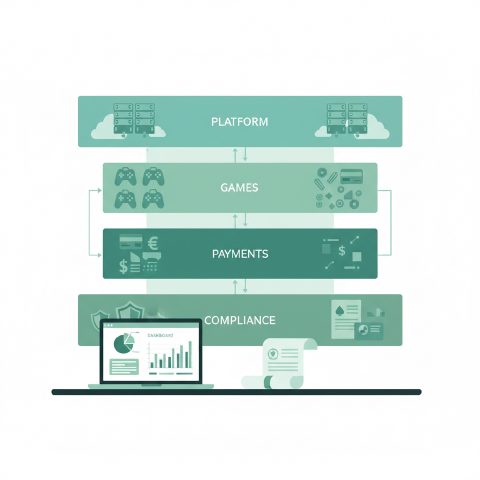
Choosing the right iGaming software provider is the single decision that shapes your casino's launch timeline, margin structure and long-term scalability. This guide cuts through vendor marketing to give operators a clear-eyed view of what each layer of the stack actually costs and delivers.
 spoke
spoke
Hidden Costs of Starting an Online Casino
The sticker price on a white-label or turnkey casino launch looks manageable — until the invoices start arriving from directions nobody warned you about. This breakdown covers every cost layer operators routinely underestimate.
 spoke
spoke
Online Casino Software Price What You Really Pay
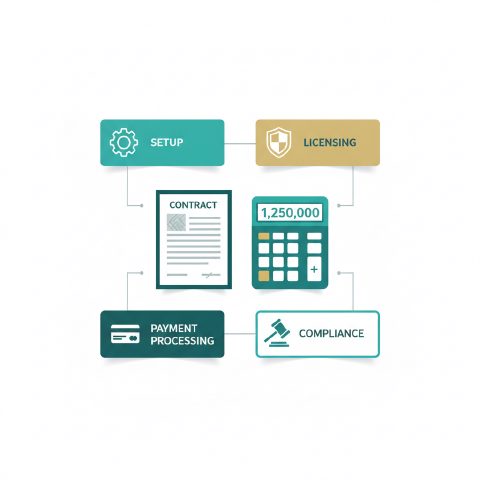
Online casino software pricing looks deceptively simple on a vendor slide deck. This guide cuts through the marketing to show what operators actually pay — from setup fees and rev-share to payment processing, compliance, and the costs that only surface after you sign.
 spoke
spoke
White Label Casino Cost Full Pricing Breakdown
White label casino cost runs far deeper than the setup fee vendors quote on their sales calls. This breakdown covers every line item — platform fees, rev-share, compliance, payments and the charges most operators only discover after launch.
 pillar
How Much Does It Cost to Start an Online Casino 2026
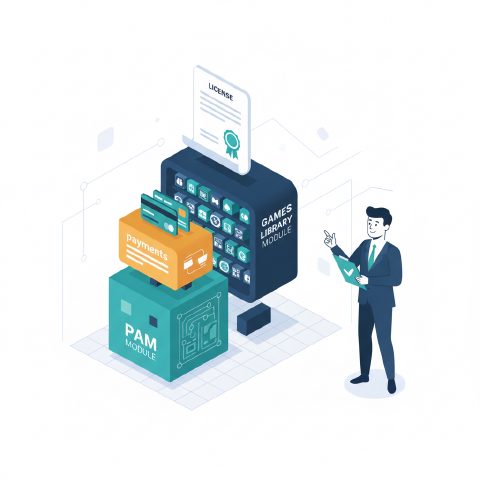
Starting an online casino in 2026 requires far more capital than most vendor decks suggest. This breakdown covers every major cost bucket — licensing, platform, games, payments, marketing, and compliance — so you can build a realistic budget before you spend a dollar.
 spoke
spoke
How to Start a White Label Casino in 7 Steps
Starting a white label casino in 2026 means moving fast without cutting corners on licensing and payment infrastructure. This step-by-step guide covers everything from jurisdiction selection to go-live, with real provider names, cost ranges, and the pitfalls most vendors won't tell you about.
 spoke
spoke
Cheapest and Free White Label Casino Options Debunked
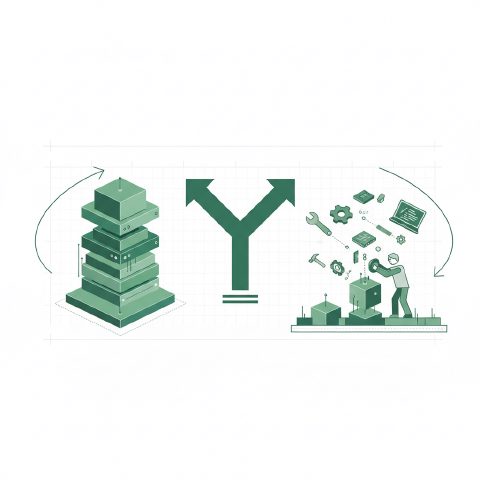
The cheapest white label casino deal rarely stays cheap once you see the full contract. This breakdown exposes the real cost structure — setup, revenue share, and the traps buried in 'free' white label offers — so you can make a decision based on actual numbers.
 spoke
spoke
White Label Casino App Build vs Buy
Choosing between building a custom casino app and buying a white label mobile casino platform is one of the most consequential decisions a new operator makes. This guide cuts through the vendor sales decks to give you the honest numbers and trade-offs.
 listicle
White Label Casino Providers List 2026 Reviewed
Cutting through the vendor sales decks: a reviewed white label casino providers list for 2026 with real costs, setup timelines, licensing fit and the trade-offs each platform glosses over.
 comparison
White Label vs Turnkey vs Custom Casino Compared
Choosing between a white label, turnkey, or custom casino platform is the single biggest decision you'll make before launch — and the wrong call costs you 12–18 months you can't get back. Here's how to read the trade-offs like an operator, not a vendor.
 glossary
What Is a White Label Casino Definition and How It Works
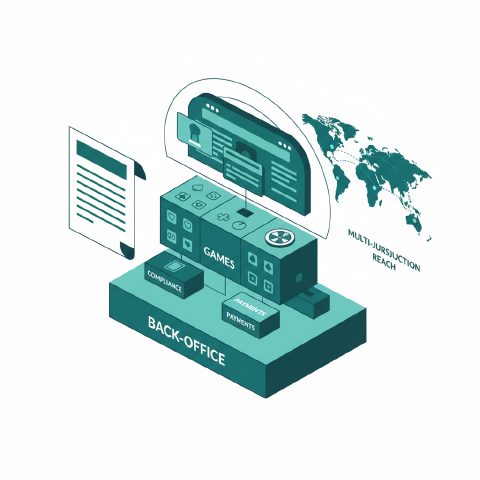
A white label casino is a fully pre-built gambling platform you license from a B2B provider, rebrand as your own, and launch without building the software stack yourself. Here's what that actually means in practice — costs, timelines, trade-offs and all.
 pillar
White Label Casino Solutions Full Guide 2026
A white label casino lets you launch under a licensed, pre-built platform in weeks rather than months — but the revenue share, platform lock-in and compliance gaps can quietly kill your margins. This guide covers every decision that matters before you sign.
 geo
geo
How to Start an Online Casino in the US 2026
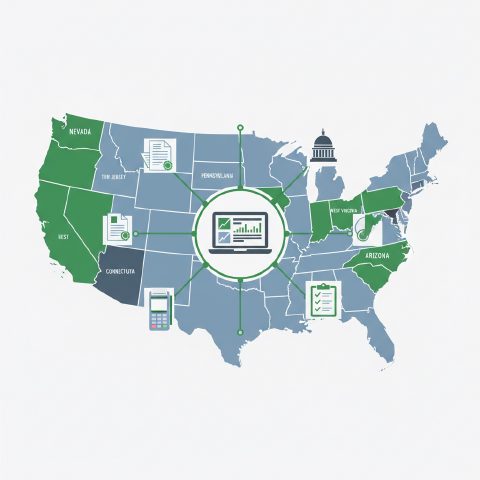
Launching a legal online casino in the US in 2026 means navigating a patchwork of state-level licensing regimes, not a single federal framework. This guide walks operators through every critical decision — from picking the right jurisdiction to assembling a compliant payment stack.
 comparison
How to Start an Online Casino Like Bet365
Bet365 is a $3B+ operation built over two decades. You can't clone it overnight, but you can reverse-engineer its core architecture — licensing, platform, payments, and retention — and build a serious competing operation faster than most people think.
 spoke
spoke
Best Countries to Open an Online Casino in 2026
Choosing the right jurisdiction is the single decision that sets your cost base, your banking relationships and your player acquisition ceiling for years. This guide cuts through the vendor noise to show which countries actually make sense for a new operator launching in 2026.
 spoke
spoke
Start Your Own Online Casino for Free Myth vs Reality
The phrase 'start your own online casino for free' circulates everywhere in B2B iGaming marketing — but zero-cost launches don't exist. Here's exactly where the money goes and where you can legitimately reduce upfront spend.
 spoke
spoke
Online Casino Business Plan Template and Model
A credible online casino business plan goes far beyond a slide deck — it maps licensing jurisdiction, platform architecture, payment stack, game mix, and a realistic 18-month P&L. This guide gives you the actual framework operators use before they write a single check.
 spoke
spoke
How to Open an Online Casino The Complete Guide
Opening an online casino in 2026 means making the right calls on licensing, platform architecture and payment stack before you spend a dollar on marketing. This playbook walks you through every stage in the order it actually needs to happen.
 pillar
How to Start an Online Casino in 2026 Step-by-Step
Starting an online casino in 2026 means making six or seven critical decisions in the right order — licensing jurisdiction, platform model, game content, and payment stack — before you spend a dollar on marketing. This playbook walks you through every step, in sequence, with real timelines and costs.
 listicle
Best iGaming Software Providers 2026
Choosing the wrong iGaming software provider is the single most expensive mistake a first-time operator can make. This playbook ranks the top platforms for 2026, breaks down real costs and timelines, and tells you exactly which provider to shortlist first based on your market, budget and launch window.
 pillar
How Much Does It Cost to Start an Online Casino
Starting an online casino in 2026 requires anywhere from $30,000 for a lean white-label setup to well over $500,000 for a turnkey or custom build — and the gap between those numbers comes down to decisions you make in the first 30 days. This playbook breaks down every cost layer, in the order you'll actually face them.
 geo
geo
US Online Casino Legal States 2026
Six states have fully regulated real-money online casinos in 2026, with several more in active legislative pipelines. This playbook maps the legal landscape, license requirements, tax structures and market-entry order of operations so first-time operators can move fast and avoid the traps.
 spoke
spoke
iGaming Payment Processing
Getting your iGaming payment processing wrong at launch is expensive and slow to fix. This playbook walks first-time operators through the exact order of operations — from merchant account applications to chargeback management — so you go live with a stack that actually converts.
 pillar
How to Start an Online Casino
Starting an online casino in 2026 means making a dozen high-stakes decisions in the right order — licensing, platform, games, payments — before you ever go live. This playbook walks first-time operators through every step, with real timelines, cost ranges, and the pitfalls that quietly kill launches.
What operators say
The white-label vs turnkey breakdown saved us a six-figure mistake — we launched turnkey in ten weeks.
Clear, vendor-neutral guidance on Curaçao 2026 and LATAM licensing. We made our market call in a day.
The cost calculator sets realistic expectations instantly — I send it to every founder.