The 2026 Gambling License Guide: Every Jurisdiction, Real Cost, and Trade-Off Operators Need to Know Before They Apply
Choosing the wrong gambling license can cost you six figures and six months you'll never get back. This guide breaks down every major jurisdiction — offshore, EU, and US — with honest figures, realistic timelines, and the trade-offs vendors rarely mention.
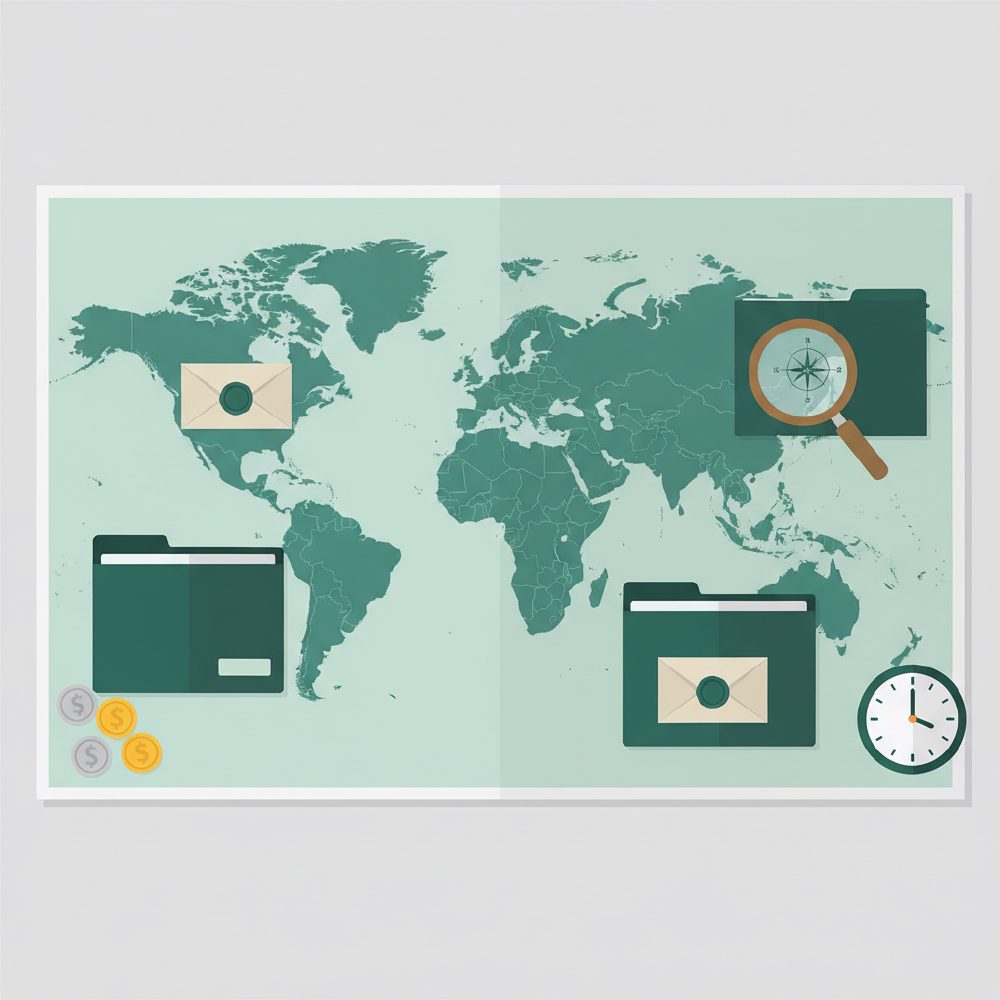
A gambling license is a regulatory authorization issued by a government body that permits an operator to legally offer real-money gambling products. The jurisdiction you choose doesn't just determine legality — it dictates your payment processor options, your game supplier relationships, your tax exposure, and how seriously large-volume players treat your brand. It's the single most consequential infrastructure decision you make.
The three dominant offshore options in 2026 are Curaçao (post-reform OGL), Anjouan (Comoros), and Gibraltar. Curaçao offers the best balance of cost, processor acceptance, and supplier access. Anjouan is cheaper but less recognized. Gibraltar is respected but expensive and hard to obtain. Each suits a different operator profile and budget.
An MGA (Malta Gaming Authority) B2C license costs roughly €25,000 in application fees plus €25,000 annually, but the real cost is the compliance infrastructure around it — legal counsel, a Malta-based compliance officer, technical audits, and player fund protection requirements. Total first-year costs routinely exceed €150,000. It's worth it if you're targeting EU players who care about trust signals.
The UK Gambling Commission license is mandatory for any operator targeting UK residents — there's no legal grey area. It's one of the most demanding licenses in the world: application fees run £25,000–£50,000 depending on business size, annual fees are GGR-based, and the compliance obligations are extensive. For most offshore-first operators, the UK is a separate business decision, not a license upgrade.
Most EU member states now require local licenses to serve their residents, but the accessibility varies dramatically. Malta (MGA) is the most operator-friendly EU license for pan-European ambitions. Spain (DGOJ/DGOJ), Romania (ONJN), and Sweden (Spelinspektionen) are achievable for well-capitalized operators. Germany's new framework under the GGL is technically open but practically demanding. Italy (ADM) is among the hardest and most expensive.
US state iGaming licenses are the most expensive and time-consuming in the world. New Jersey, Pennsylvania, and Michigan — the three most active online casino markets — each require application fees of $200,000–$400,000, multi-year background investigations, substantial surety bonds, and ongoing compliance costs. Budget $500,000 to $1 million before generating a dollar of revenue, and 18–36 months for full approval.
Latin America is a patchwork of regulatory stages. Colombia (Coljuegos) and Peru (MINCETUR) have functioning online licensing frameworks. Mexico operates under a federal system (SEGOB) that's technically open but practically complex. Brazil is finalizing its federal framework in 2025–2026. Most operators targeting LATAM launch on a Curaçao license and localize aggressively, then pursue local licenses as markets mature.
Your license jurisdiction directly determines which payment processors will onboard you and which game studios will supply you. MGA and UKGC licenses unlock tier-1 acquiring and all major aggregators. Curaçao OGL covers most mid-tier processors and the majority of aggregators. Anjouan-only operators face significant friction with fiat processors and some game suppliers. This downstream impact is often more consequential than the license fee itself.
The most expensive mistakes are: applying to the wrong jurisdiction for your target market, underestimating compliance infrastructure costs, using nominee structures that fail fit-and-proper checks, and launching on a temporary or sub-license arrangement without a transition plan. Most of these are avoidable with proper pre-application due diligence, but vendors rarely flag them because they don't affect the vendor's revenue.
Tax structures vary from flat annual fees (common offshore) to GGR-percentage taxes (EU standard) to point-of-consumption taxes (UK, Australia). Offshore jurisdictions are cheapest in absolute terms but come with payment and market access trade-offs. EU taxes range from 5% GGR (Malta) to 25%+ (Italy). US taxes can exceed 50% GGR in some states. The effective tax rate dramatically affects your unit economics.
Anjouan is the fastest legitimate license at 6–10 weeks, but the operational limitations are significant. Curaçao OGL takes 4–6 months and is the fastest credible option for a full-scale fiat operation. If you need to launch before your license is issued, a white-label arrangement through a licensed platform operator (SoftSwiss, EveryMatrix) can get you live in 4–8 weeks under their license — with the understanding that you'll eventually need your own.
Explore the launch guides
 geo
geo
How to Start an Online Casino in Colombia Coljuegos
Colombia is one of Latin America's few fully regulated online gambling markets, governed by Coljuegos. This guide covers every step an operator needs to launch legally, from incorporation and licensing to platform requirements, payment stacks, and ongoing compliance obligations.
 geo
geo
How to Start an Online Casino in Peru MINCETUR
Peru is one of Latin America's few markets with a functioning online gambling regulatory framework under MINCETUR. This guide walks operators through every step of the licensing process, the real costs involved, and the platform decisions that determine whether your launch succeeds.
 geo
geo
How to Start an Online Casino in Brazil 2026 SPA License
Brazil's regulated online gambling market officially opened in January 2025 under the Secretaria de Prêmios e Apostas (SPA). This guide walks operators through the licensing process, real costs, platform choices and the compliance realities of launching a cassino online in Brazil in 2026.
 comparison
Gambling License Comparison Curacao vs MGA vs UKGC vs Anjouan
Choosing the wrong gambling license can kill a launch before the first player deposits. This breakdown compares Curacao, MGA, UKGC and Anjouan across cost, timeline, payment access and operator fit so you can match the right jurisdiction to your actual business model.
 geo
geo
New Jersey Online Casino License How to Get One
New Jersey's online casino licensing framework is the most battle-tested regulatory model in the US, and operators eyeing a Michigan online casino launch in 2026 can compress their learning curve dramatically by studying how NJ built its compliance infrastructure-and where early licensees got burned.
 tool
tool
License Finder Quiz Find Your Jurisdiction
Choosing the wrong jurisdiction before you buy a turnkey iGaming solution costs more than the license fee, it can kill your payment stack, lock you out of target markets, and saddle you with compliance overhead you never budgeted for. Work through this structured quiz to find the license that actually fits your business model.
 glossary
KYC and AML Compliance for Online Casinos
KYC and AML are no longer checkbox exercises — regulators from the MGA to Curaçao are pulling licenses over weak controls. This guide breaks down what a production-grade igaming fraud prevention solution actually looks like, what it costs, and how to build one before your first deposit.
 geo
geo
Anjouan Gaming License Cost and Process
Anjouan has become one of the most operator-friendly offshore jurisdictions for crypto casino launches — low fees, fast approvals, and genuine compatibility with turnkey bitcoin casino software stacks. Here's exactly what it costs, how long it takes, and where operators get burned.
 geo
geo
Curacao Gaming License 2026 New LOK Regime
Curaçao's National Ordinance on Games of Chance (LOK) has replaced the old master-license sub-license model with direct operator licensing — a structural shift that every founder planning a turnkey crypto casino launch in 2026 needs to understand before signing a platform contract.
 listicle
Cheapest Gambling Licenses 2026 Compared
Not every operator needs an MGA license on day one. This guide ranks the cheapest gambling licenses available in 2026, breaks down the real total cost of each, and tells you which ones actually hold up under payment processor and B2B supplier scrutiny.
 tool
tool
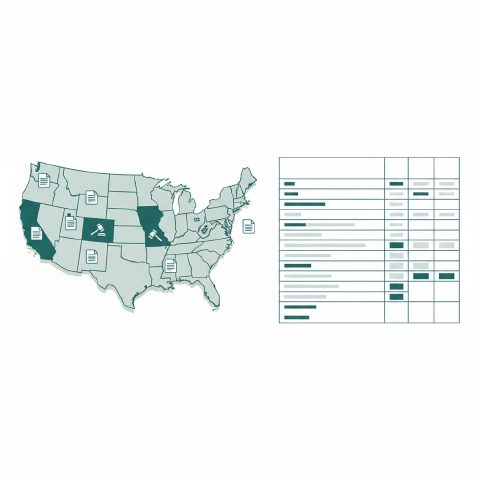
US iGaming Legal Map Interactive 7 vs 39 States
Only 7 US states currently allow real-money online casino games, while 39 remain closed or legally ambiguous. This interactive legal map breakdown explains exactly where you can launch, what it costs, and what operators get wrong about the sports-betting-vs-casino distinction.
 geo
geo
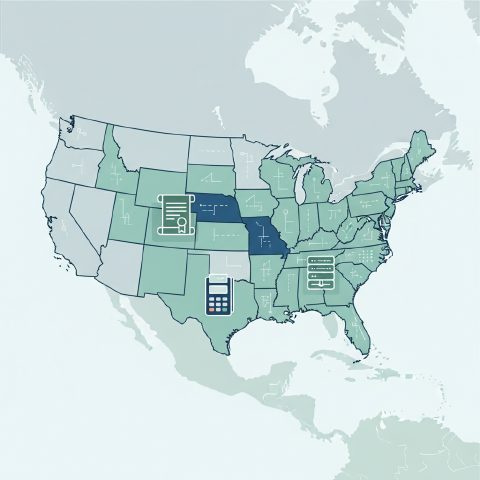
US Online Casino Legal States 2026 (7 vs 39)
Only seven US states have legalized real-money online casino gambling as of 2026, and each one runs its own licensing regime, tax structure, and platform requirements. This guide breaks down what operators actually face — costs, timelines, and the strategic case for offshore alternatives.
 geo
geo
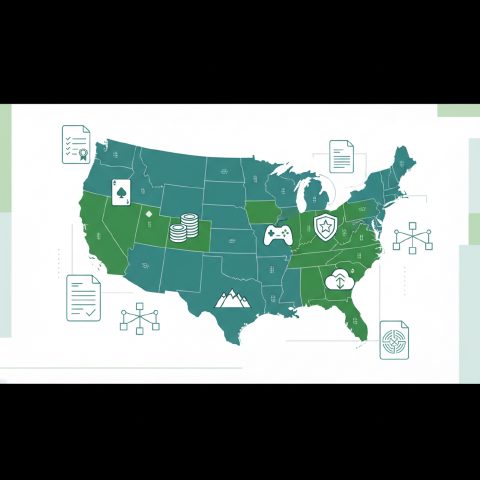
US Online Casino Legal States 2026
Six states have fully regulated real-money online casinos in 2026, with several more in active legislative pipelines. This playbook maps the legal landscape, license requirements, tax structures and market-entry order of operations so first-time operators can move fast and avoid the traps.
Get our 2026 cost & licensing breakdown by email.