How to Start an Online Casino in 2026: The Operator's Real-World Playbook
Starting an online casino in 2026 means navigating licensing, platform architecture, payment rails and game content before you take a single bet. This playbook covers every decision point — with real costs, timelines and the trade-offs vendors rarely put in their pitch decks.

Total launch costs range from roughly $80,000 for a lean white-label operation to $500,000-$700,000 for a fully licensed turnkey build with proprietary branding. The spread is wide because licensing jurisdiction, platform choice and marketing budget each add or remove six-figure line items. Most operators who come to me have budgeted for the license and platform, then run out of cash on payments, compliance and player acquisition.
The license you choose determines your addressable market, your banking relationships, your game content options and your exit valuation. Curaçao and Anjouan are the fastest and cheapest entry points for offshore operators. MGA and UKGC open European markets but cost ten times more and take far longer. US state licenses are their own category entirely — market-specific, expensive and operationally demanding.
White-label gets you live in 8-16 weeks under a master licensee's license, which is ideal if you are testing a market or have limited capital. Turnkey gives you your own license, your own brand and full control, at the cost of 6-12 months and $300k-$700k. Custom builds are for operators with $1M+ budgets who need differentiation that no off-the-shelf platform can provide.
Use a game aggregator for launch — full stop. Aggregators like SoftSwiss Game Aggregator, Relax Gaming, EveryMatrix CasinoEngine or Pariplay give you 5,000-10,000 titles from 100+ studios under a single integration and revenue-share agreement. Direct studio deals with Pragmatic Play, Evolution or NetEnt only make financial sense once you are generating meaningful monthly GGR and can negotiate minimum guarantee terms.
You need a minimum of three payment providers live on day one: a card processor, an e-wallet solution and either a local payment method or a crypto gateway depending on your target market. Single-provider dependency is an operational risk that will hurt you. Payment conversion — the percentage of deposit attempts that succeed — is often the biggest lever on your revenue that operators ignore until it is too late.
Compliance is not optional, but the implementation determines whether it kills your funnel or integrates cleanly. Modern KYC vendors like Sumsub, Onfido or Jumio can verify identity in under 60 seconds for most players. The key is risk-tiering your KYC triggers — not every player needs full document verification on first deposit — while staying within your regulator's requirements.
A realistic offshore launch (Curaçao or Anjouan license, white-label platform) takes 16-24 weeks from the decision to first live bet. A turnkey launch with your own MGA license takes 18-30 months. The critical path is licensing, not technology — most platform integrations can be completed in 8-12 weeks once you have a license in hand.
Affiliate marketing is still the most capital-efficient acquisition channel for new online casinos — but the affiliate market has consolidated, and top affiliates now demand exclusivity windows, higher CPA rates and proof of license before they will send traffic. Paid search is expensive and restricted in most regulated markets. SEO is a 12-24 month investment. Budget realistically and do not expect to be profitable in month one.
The three most expensive mistakes I see repeatedly: launching in a market without understanding the payment infrastructure, underestimating compliance costs, and signing a white-label rev-share deal without modeling what that 20% GGR cut looks like at scale. Each of these can be avoided with 2-3 weeks of due diligence that most operators skip in their rush to launch.
Three regulatory shifts are reshaping the market right now: Curaçao's licensing reform moving to direct licenses, the rapid expansion of regulated iGaming across US states, and LATAM markets — particularly Brazil — formalizing their frameworks. Each creates both opportunity and risk depending on your current structure and target markets.
Explore the launch guides
 geo
geo
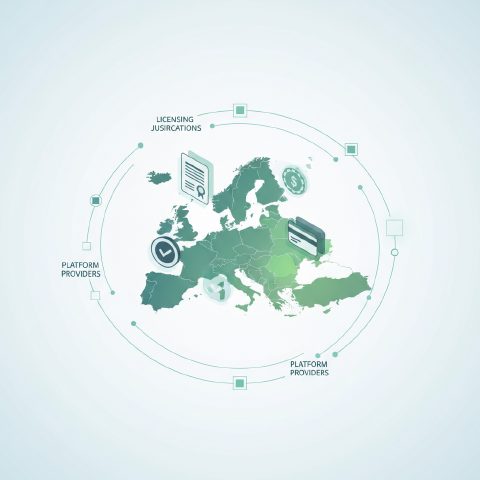
How to Start an Online Casino in Europe
Europe is the world's largest regulated online gambling market, but launching here means choosing between a dozen licensing regimes, each with its own cost structure, timeline and player-acquisition implications. This guide gives operators the unfiltered breakdown.
 geo
geo
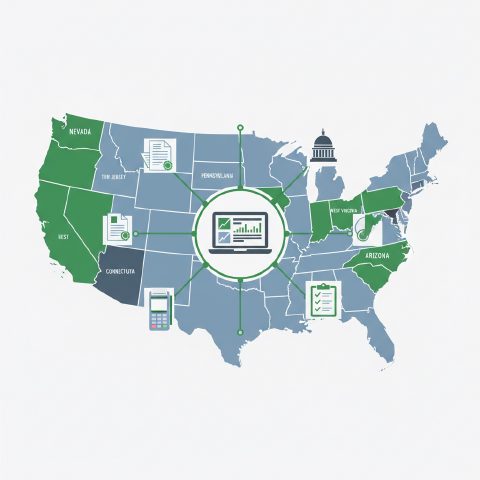
How to Start an Online Casino in the US 2026
Launching a legal online casino in the US in 2026 means navigating a patchwork of state-level licensing regimes, not a single federal framework. This guide walks operators through every critical decision — from picking the right jurisdiction to assembling a compliant payment stack.
 comparison
How to Start an Online Casino Like Bet365
Bet365 is a $3B+ operation built over two decades. You can't clone it overnight, but you can reverse-engineer its core architecture — licensing, platform, payments, and retention — and build a serious competing operation faster than most people think.
 spoke
spoke
Best Countries to Open an Online Casino in 2026
Choosing the right jurisdiction is the single decision that sets your cost base, your banking relationships and your player acquisition ceiling for years. This guide cuts through the vendor noise to show which countries actually make sense for a new operator launching in 2026.
 spoke
spoke
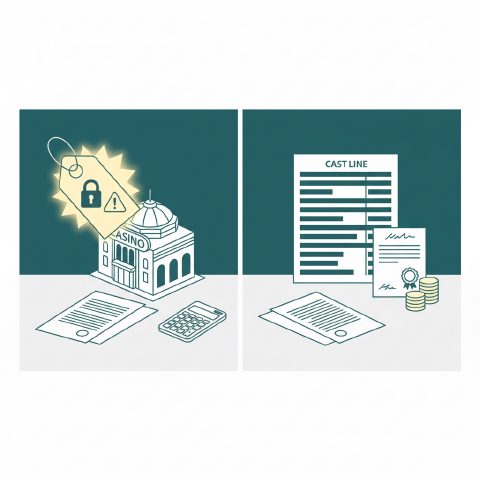
Start Your Own Online Casino for Free Myth vs Reality
The phrase 'start your own online casino for free' circulates everywhere in B2B iGaming marketing — but zero-cost launches don't exist. Here's exactly where the money goes and where you can legitimately reduce upfront spend.
 spoke
spoke
Online Casino Business Plan Template and Model
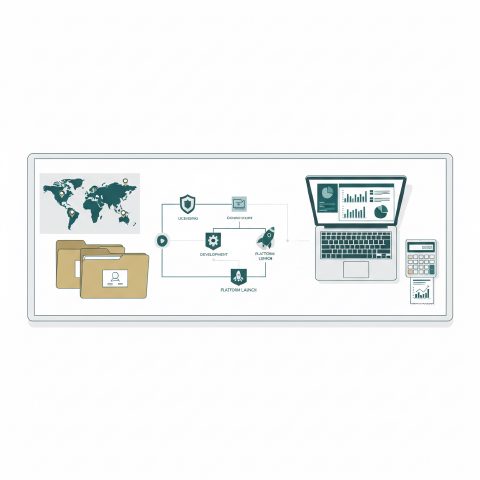
A credible online casino business plan goes far beyond a slide deck — it maps licensing jurisdiction, platform architecture, payment stack, game mix, and a realistic 18-month P&L. This guide gives you the actual framework operators use before they write a single check.
 spoke
spoke
How to Open an Online Casino The Complete Guide
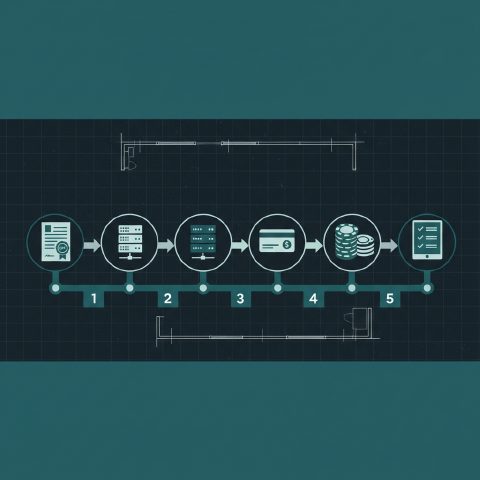
Opening an online casino in 2026 means making the right calls on licensing, platform architecture and payment stack before you spend a dollar on marketing. This playbook walks you through every stage in the order it actually needs to happen.
 pillar
How to Start an Online Casino in 2026 Step-by-Step
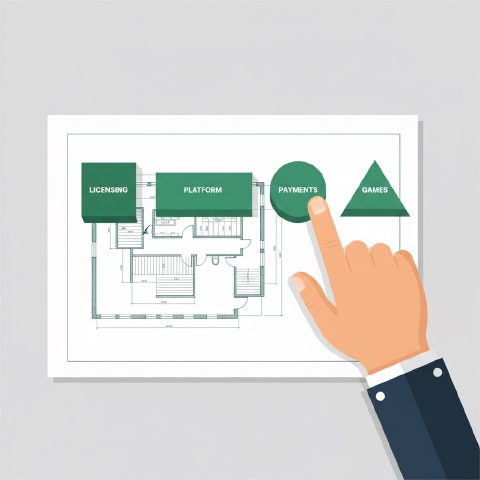
Starting an online casino in 2026 means making six or seven critical decisions in the right order — licensing jurisdiction, platform model, game content, and payment stack — before you spend a dollar on marketing. This playbook walks you through every step, in sequence, with real timelines and costs.
 pillar
How to Start an Online Casino
Starting an online casino in 2026 means making a dozen high-stakes decisions in the right order — licensing, platform, games, payments — before you ever go live. This playbook walks first-time operators through every step, with real timelines, cost ranges, and the pitfalls that quietly kill launches.
Get our 2026 cost & licensing breakdown by email.