iGaming Software & Platform: How to Choose the Right igaming Software Provider in 2026
Choosing the wrong iGaming software provider is the single most expensive mistake an operator can make before launch. This guide breaks down every platform model, names the real providers, and gives you the numbers vendors bury in their sales decks.

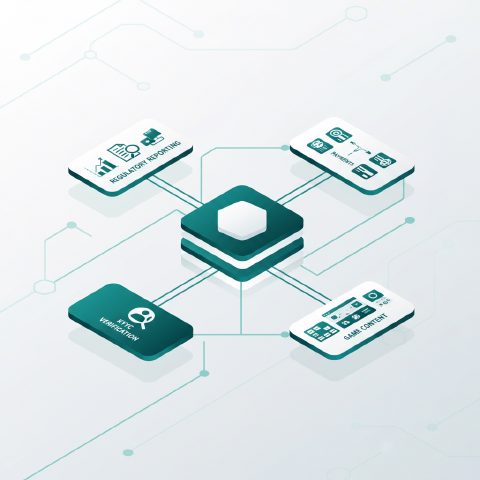
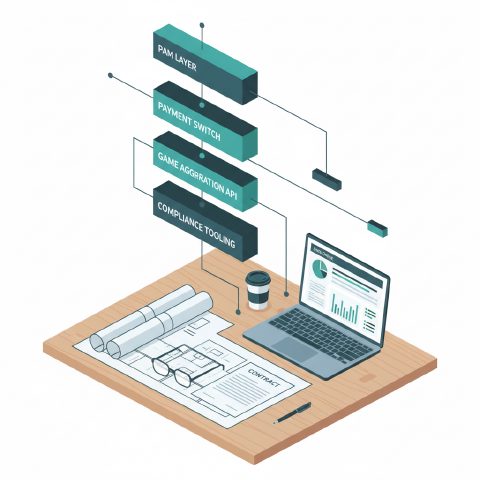
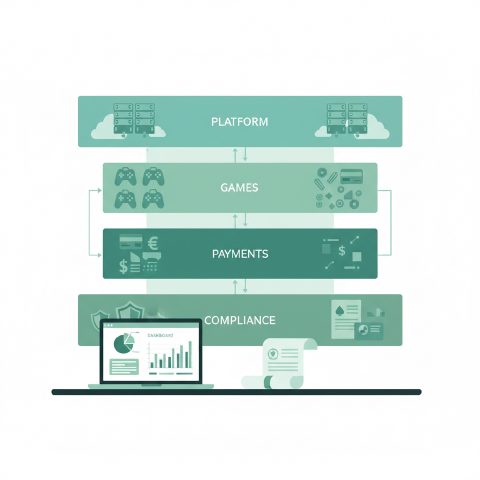
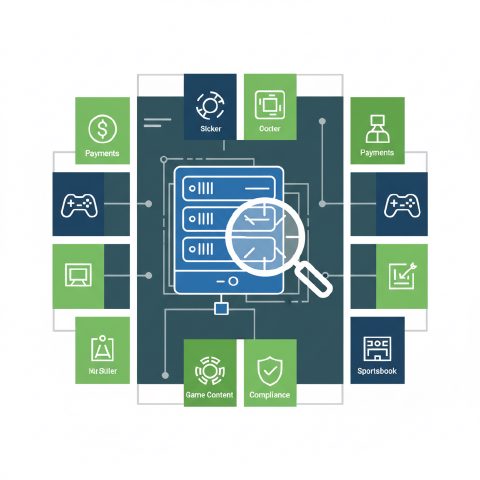
An iGaming software provider supplies the technology layer that runs an online casino: the platform back-office, game content, payment processing integrations, and compliance tooling. The definition matters because 'software provider' gets used loosely to mean anything from a full-stack turnkey vendor to a single-vertical game studio, and confusing the two leads to expensive contract mismatches.
White-label is fastest (4–8 weeks to launch) and cheapest upfront, but you're renting someone else's licence and paying a large ongoing rev-share. Turnkey gives you your own licence and more control, typically launching in 3–6 months. Custom builds take 12–24 months and seven-figure budgets — only justified when you have proven volume and specific technical requirements no vendor meets.
The shortlist for serious operators comes down to five or six platforms with proven uptime, real regulatory track records, and payment stack depth: SoftSwiss, EveryMatrix, BetConstruct, Softgamings, Slotegrator, and GR8 Tech (formerly Parimatch Tech's B2B arm). Each has genuine strengths and real weaknesses — none is universally best.
Jurisdiction is the single biggest determinant of your software stack. MGA and UKGC licences require certified RNG testing, responsible gambling integrations, and real-time reporting APIs that many offshore platforms don't natively support. US state licences (NJ, MI, PA) impose GLI certification standards that effectively rule out most white-label solutions. Curaçao and Anjouan are more permissive but still have technical requirements operators underestimate.
A game aggregator (Relax Gaming's Silver Bullet, Pariplay, Everymatrix's GameHub) gives you one integration, one contract, and access to hundreds of studios. Direct studio deals offer better rev-share terms at volume but require separate integrations and legal agreements with each studio. For most operators under $1M monthly GGR, aggregation wins on economics. Above that threshold, hybrid approaches make sense.
Payment conversion is where most platforms quietly underdeliver. A casino lobby with 5,000 games and a 20% deposit failure rate is a broken business. Your payment stack needs local payment methods for your target market, a primary PSP with proven approval rates in that region, and at least one backup processor. The platform's built-in payment options are rarely sufficient on their own.
Regulated markets require responsible gambling (RG) tooling baked into the platform: deposit limits, loss limits, session time limits, self-exclusion (including national scheme integration like GAMSTOP in the UK or OASIS in Germany), and real-time reporting. These aren't optional features — they're licence conditions. Offshore operators increasingly need them too as regulators tighten enforcement.
A realistic Curaçao-licensed turnkey launch on a platform like SoftSwiss or Slotegrator costs $80,000–$200,000 all-in for year one, including licence fees, platform setup, game content, and payment integration. An MGA-licensed launch runs $300,000–$600,000 in year one. US state entry (NJ, MI, PA) is a $1M+ project before you take your first bet.
US state iGaming is a fundamentally different regulatory environment. Each state (NJ, MI, PA, WV, CT, DE) has its own technical standards, GLI certification requirements, and approved vendor lists. You cannot lift an offshore platform and point it at New Jersey players. The software requirements alone add 12–18 months and $500,000+ to a US market entry.
Most operators let vendors run the demo and then negotiate price. That's backwards. The questions that reveal whether a platform will actually work for your operation are about uptime SLAs, data portability, payment approval rates, regulatory approval status in your target jurisdiction, and what happens to your business if the vendor gets acquired or goes under.
Explore the launch guides
 glossary
What Is PAM Player Account Management in iGaming
PAM software is the operational core of any online casino, controlling player registration, KYC, wallet balances, bonusing, and session data in one system. Choosing the right PAM vendor before you launch is one of the highest-leverage decisions you will make.
 glossary
iGaming Glossary and KPI Hub GGR NGR RTP CAC LTV
A working reference for operators and founders covering every major iGaming KPI, from GGR and NGR to RTP hold, CAC and LTV, with context on how each metric connects to your platform stack, licensing obligations and profitability.
 spoke
spoke
Open Source Online Casino Platforms Reality Check
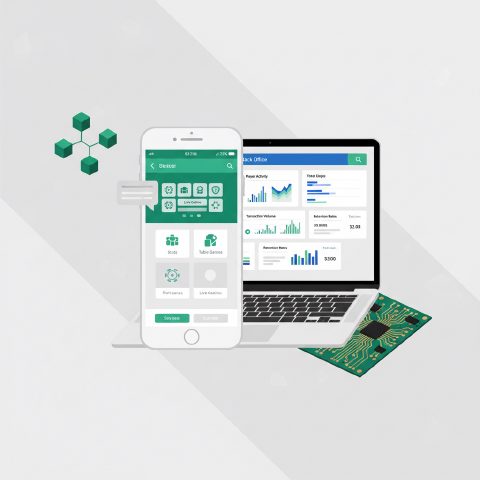
Open source casino software sounds like a budget shortcut, but the hidden costs in compliance, security, and integration often exceed what a licensed platform charges. Here is what operators actually face in 2026.
 spoke
spoke
Telegram Casino Software Development Guide
Telegram mini-app casinos are attracting serious operator capital in 2026, but the build is more complex than vendors admit. This guide breaks down the real architecture, licensing options, payment stack, and cost ranges you need before signing a development contract.
 spoke
spoke
iGaming Fraud Detection and Prevention Solutions
Fraud is the tax no one budgets for. This guide breaks down the real igaming fraud detection and prevention solutions available in 2026 — what they cost, how they integrate, and which operators actually need what.
 spoke
spoke
iGaming CRM Software for Player Retention
Choosing the wrong iGaming CRM platform is one of the most expensive mistakes an operator makes after launch. This guide cuts through vendor decks to show you what retention software actually does, what it costs, and which providers are worth your time in 2026.
 spoke
spoke
Casino API Integration Guide for Operators
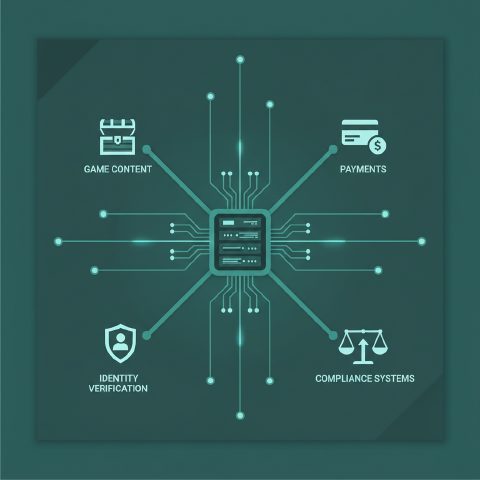
Casino API integration is the technical backbone of every online casino launch, connecting game content, payments, KYC, and back-office tools into a single operating environment. This guide cuts through vendor marketing to give operators a clear picture of what integration actually involves, what it costs, and where projects go sideways.
 spoke
spoke
Multilingual iGaming Platform Why It Matters
Running a single-language casino in 2026 is a deliberate choice to leave money on the table. This guide breaks down what a multilingual iGaming platform actually requires — technically, commercially and operationally — so you can budget and plan for it before your first line of contract is signed.
 spoke
spoke
Custom Casino Software Development When to Build
Custom casino software development is the highest-cost, highest-control path to launching an online casino. This guide breaks down when the economics justify a bespoke build, what it actually costs, and which operators should walk away from the idea entirely.
 glossary
What Is PAM Software in iGaming
PAM — Player Account Management — is the operational core of any online casino: it owns the player record, manages bonuses, enforces limits, and feeds every compliance report. Get this choice wrong and you'll be rebuilding your stack inside eighteen months.
 glossary
Casino Management System for Online Casinos Explained
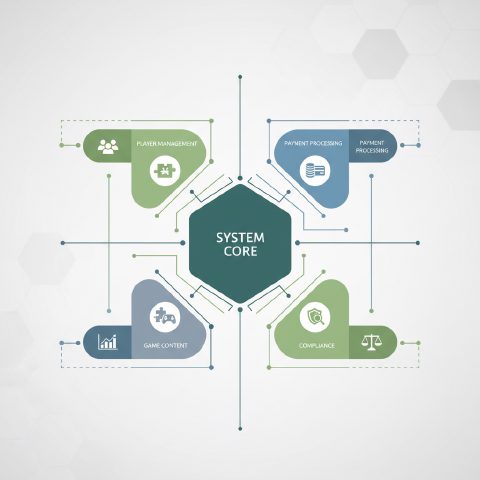
A casino management system (CMS) is the operational backbone of any online casino — handling player accounts, bonuses, payments, reporting, and compliance from a single back-office interface. This guide breaks down exactly what it does, what it costs, and which platform approach fits your launch.
 spoke
spoke
How to Choose an iGaming Software Provider
Choosing the wrong iGaming software provider is the most expensive mistake an operator can make before launch. This guide cuts through vendor marketing to give you the framework that actually works.
 spoke
spoke
iGaming Software Development Cost and Process
iGaming software development can run from $30k for a white-label setup to well over $2M for a custom platform. This guide cuts through vendor marketing to show what each path actually costs, how long it takes, and which mistakes operators make before they've written a single line of code.
 listicle
Best iGaming Software Providers 2026 Compared
Choosing the wrong iGaming software provider costs operators six figures and months of rebuild time. This ranked comparison cuts through the sales decks to show you exactly what each platform delivers — and where each one falls short.
 pillar
iGaming Software Providers Ultimate Guide 2026
Choosing the right iGaming software provider is the single decision that shapes your casino's launch timeline, margin structure and long-term scalability. This guide cuts through vendor marketing to give operators a clear-eyed view of what each layer of the stack actually costs and delivers.
 listicle
Best iGaming Software Providers 2026
Choosing the wrong iGaming software provider is the single most expensive mistake a first-time operator can make. This playbook ranks the top platforms for 2026, breaks down real costs and timelines, and tells you exactly which provider to shortlist first based on your market, budget and launch window.
Get our 2026 cost & licensing breakdown by email.