Slot Games Providers for Operators: The 2026 Buyer's Guide to Building a Winning Content Stack
What exactly is a slot games provider, and how does the B2B supply chain actually work?
A slot games provider is a B2B studio or aggregator that licenses finished slot titles — math models, RTP certificates, game logic, and front-end assets — to online casino operators. You don't build the games; you license the right to run them on your platform and pay a revenue share on the gross gaming revenue those games generate.
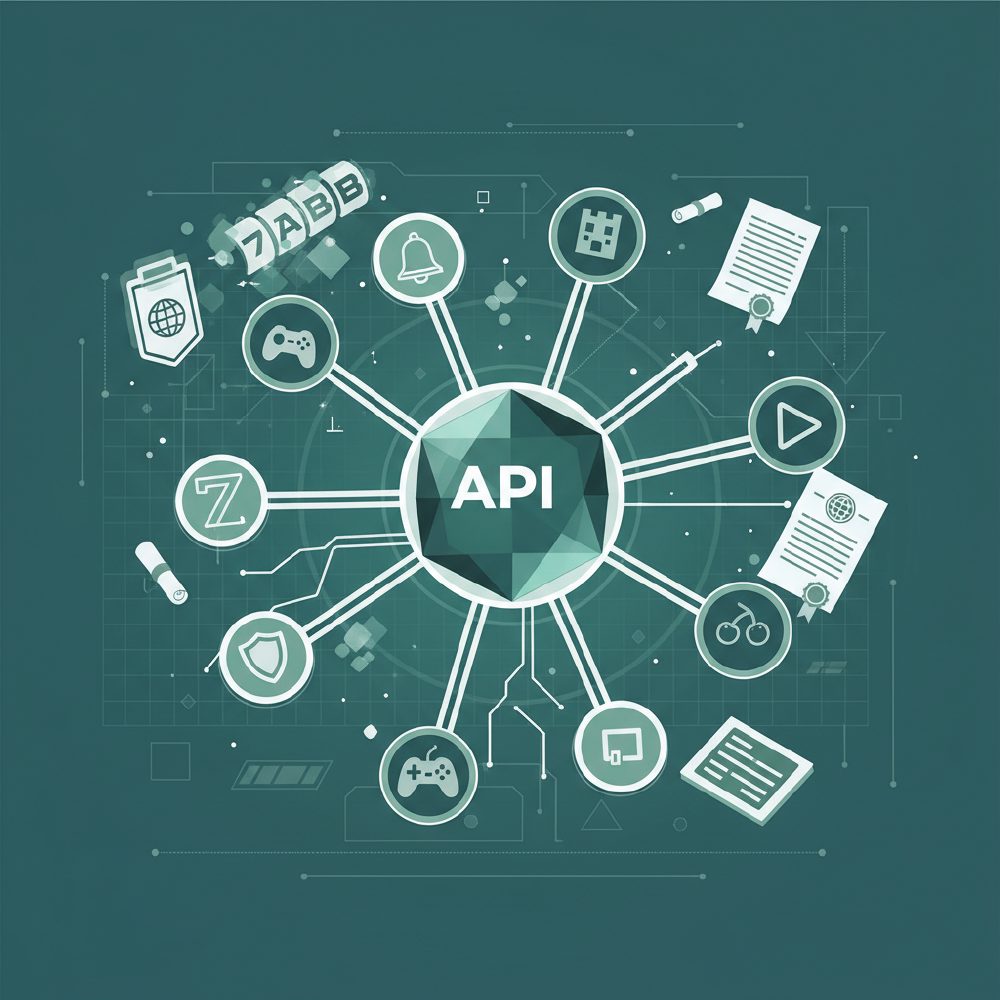
The supply chain has two distinct layers operators need to understand before they start negotiating. The first layer is the game studio itself — companies like Pragmatic Play, Play'n GO, Hacksaw Gaming, or Nolimit City. They develop the titles, hold the intellectual property, and own the math models. The second layer is the aggregator — platforms like SoftSwiss Game Aggregator, Relax Gaming's Silver Bullet / Powered By Relax program, EveryMatrix CasinoEngine, or Pariplay Fusion. Aggregators integrate hundreds of studios into a single API and then resell access to operators, adding their own margin in the process.
When you sign with an aggregator, you're signing one contract and one technical integration, but you're effectively accessing dozens of underlying studio deals that the aggregator has already negotiated. That convenience costs money — aggregators typically charge an additional 1–3% GGR fee on top of whatever the studio's own revenue share is. On a €100K monthly GGR casino, that aggregation layer costs you €1,000–€3,000 per month in perpetuity. It's a real number, and most early-stage operators don't model it properly.
There's also a third model worth knowing: white-label platform providers like Turnkey Casino or SoftSwiss's turnkey product bundle game content directly into the platform fee. In these setups, the game library is pre-integrated and the revenue share is baked into a blended platform cost. This is the fastest path to launch but gives you the least negotiating leverage and the least visibility into your actual content economics. I've reviewed contracts where operators couldn't even see the individual studio revenue-share splits — they were just paying a platform GGR percentage and hoping the math worked out.
Which slot games providers are operators actually signing in 2026?
The Tier-1 studios dominating operator content stacks in 2026 are Pragmatic Play, Play'n GO, NetEnt (now Evolution-owned), Hacksaw Gaming, Nolimit City, and Relax Gaming. For operators prioritizing volume and speed-to-market, aggregators like SoftSwiss Game Aggregator, EveryMatrix, and Pariplay remain the dominant integration path.
Pragmatic Play is the single most-requested studio I hear from operators across every market — offshore Curaçao, MGA-regulated Europe, and emerging LATAM. They have the catalog depth (600+ slots), the live casino cross-sell, and the promotional tools (Drops & Wins, tournaments) that acquisition teams love. The downside is that their revenue share terms have hardened as their leverage has grown. Expect 15–18% GGR for a direct deal if you're a mid-size operator, and don't expect much movement on minimums unless you're projecting serious volume.
Play'n GO is the studio I recommend most often to operators who are serious about regulated EU markets. Their certification footprint across MGA, UKGC, Swedish Spelinspektionen, and German GGL is broader than almost anyone else's, and their compliance documentation is genuinely operator-friendly. Hacksaw Gaming and Nolimit City have become the go-to studios for operators targeting high-volatility, bonus-buy markets — their titles drive outsized revenue per active player, but they're not available everywhere, and some regulators restrict or ban bonus-buy features entirely.
On the aggregator side, SoftSwiss Game Aggregator is the one I see most frequently embedded in turnkey and white-label builds targeting Curaçao and Anjouan operators. EveryMatrix CasinoEngine is stronger for operators who want a modular, API-first approach and are building on their own platform. Pariplay (now part of Aspire Global / NRT) is a solid mid-market choice with strong LATAM and African market coverage. Relax Gaming's aggregation arm is particularly interesting for operators who want access to Hacksaw and Nolimit content through a single relationship.
| Provider | Type | Approx. Revenue Share (GGR) | Key Regulated Markets | Min. Monthly GGR Threshold (est.) | Notable Strengths |
|---|---|---|---|---|---|
| Pragmatic Play | Studio | 15–18% | MGA, UKGC, MINCETUR, Coljuegos | €20K–€50K | Catalog depth, live cross-sell, promo tools |
| Play'n GO | Studio | 14–17% | MGA, UKGC, Spelinspektionen, GGL | €20K+ | EU compliance breadth, documentation quality |
| Hacksaw Gaming | Studio | 13–16% | MGA, UKGC | €15K+ | High-volatility titles, strong player retention |
| Nolimit City | Studio | 13–16% | MGA, UKGC | €15K+ | Bonus-buy titles, cult following among high-rollers |
| NetEnt / Red Tiger | Studio (Evolution) | 15–18% | MGA, UKGC, NJ, PA, MI | €30K+ | US regulated market access, brand recognition |
| SoftSwiss Game Aggregator | Aggregator | +1–2% on top of studio RS | Curaçao, MGA, Anjouan | None stated | Turnkey-friendly, 200+ studios, fast integration |
| EveryMatrix CasinoEngine | Aggregator | +1–3% on top of studio RS | MGA, UKGC, multiple EU | None stated | API-first, modular, strong EU coverage |
| Pariplay Fusion | Aggregator | +1–2% on top of studio RS | MGA, UKGC, LATAM, Africa | None stated | LATAM/Africa reach, proprietary content included |
Should you go direct with studios or use a ready-made slot games provider aggregator?
For most operators launching in 2026, an aggregator is the right call until you're generating at least €40K–€60K monthly GGR per studio. Below that threshold, the aggregation fee is cheaper than the cost of negotiating, integrating, and certifying direct studio deals. Above it, direct deals start paying back within 12–18 months.
The direct-versus-aggregator debate comes down to three variables: your current GGR, your internal technical capacity, and your timeline. A direct integration with a studio like Pragmatic Play means negotiating your own contract, completing their KYB process (which can take 4–8 weeks on its own), integrating their proprietary API, and then going through certification in each jurisdiction you want to offer their games. If you're on a six-month launch timeline, that's a significant chunk of your runway consumed before a single player has spun a reel.
Aggregators compress that timeline dramatically. SoftSwiss Game Aggregator, for instance, can have a fully integrated operator live with 3,000+ titles in 4–6 weeks if the platform is already set up. You're paying for that speed in perpetuity through the aggregation margin, but for a new operator burning cash on acquisition, getting to market faster almost always outweighs the long-term revenue-share optimization.
The hybrid model is what I typically recommend for operators with a 12–24 month growth horizon. Launch on an aggregator for speed, then use your first 6–9 months of GGR data to identify your top 5–8 performing studios. Negotiate direct deals with those studios specifically, and keep the aggregator for the long tail. You'll cut your effective revenue share on your highest-earning content while retaining the breadth of the aggregator's catalog for player variety. It's more work, but the economics are meaningfully better at scale.
| Factor | Direct Studio Deal | Aggregator |
|---|---|---|
| Integration timeline | 12–24 weeks per studio | 4–8 weeks for full catalog |
| Revenue share | Studio rate only (12–18%) | Studio rate + aggregation fee (1–3% extra) |
| Contract complexity | High — separate KYB, SLAs, cert per jurisdiction | Low — one master agreement |
| Certification management | Operator's responsibility per market | Aggregator handles most jurisdictions |
| Promotional tools access | Full access, direct negotiation | Varies — some tools restricted via aggregator |
| Minimum GGR thresholds | Often €20K–€50K/month per studio | Usually none or very low |
| Best for | Established operators, €50K+ GGR/studio | New operators, sub-€50K GGR/studio |
How does game certification work, and why does it wreck launch timelines?
Game certification is the independent technical audit that confirms a slot's RNG, RTP, and math model comply with a specific regulator's standards. Each jurisdiction requires its own certification from an approved testing lab — BMM, GLI, eCOGRA, or Gaming Labs — and the process takes 8–16 weeks per studio per market. Operators routinely underestimate this.
Here's the sequence most operators don't fully map out until they're already behind schedule. You sign with a studio. The studio has certified their games for MGA but not for, say, the German GGL or the Dutch KSA. If you're targeting those markets, you need new certifications, which means engaging an approved testing lab, submitting the game's source code and math documentation, and waiting for the lab's queue to clear. GLI and BMM are the two most common labs, and in peak periods their queues run 10–14 weeks easily.
For US-regulated markets, the situation is even more complex. New Jersey's Division of Gaming Enforcement, Pennsylvania's PGCB, and Michigan's MGCB all have their own approval processes, and a game certified in NJ is not automatically approved in PA. Studios that are serious about the US market — Evolution/NetEnt, IGT, Scientific Games — have dedicated compliance teams managing this. Smaller studios often don't, which means if you're building a US-regulated product and you want content from a boutique studio, you may be waiting 6+ months for their games to clear state approval.
The practical operator implication: build your launch content list 6 months before your target go-live date, and build it around what's already certified in your target jurisdiction. Don't anchor your launch marketing on a specific game that isn't certified yet. I've seen operators delay live dates by 8 weeks because one featured slot wasn't cleared in time. Your aggregator or studio contact should be able to give you a certification status list per jurisdiction — if they can't, that's a red flag about their compliance infrastructure.
What does it actually cost to license slot content as an operator?
Licensing slot content costs operators 12–18% of gross gaming revenue on slots, paid monthly to the studio or aggregator. Add 1–3% if you're going through an aggregator. On top of revenue share, expect setup fees of €5K–€30K for direct studio integrations, and potentially minimum monthly guarantees of €5K–€15K with Tier-1 studios.
Revenue share is the dominant cost, but it's not the only one. Direct studio deals almost always come with a setup or integration fee — this covers the studio's cost of onboarding you, providing API credentials, and supporting your technical integration. For Tier-1 studios, this typically runs €10K–€30K. Some studios waive it for operators with strong projected volumes or established brand reputations, but don't bank on it. Aggregators usually charge a lower one-time integration fee (€5K–€15K range) because you're using their standardized API rather than the studio's proprietary one.
Minimum monthly guarantees are the clause that catches operators off guard. A Tier-1 studio might require a minimum monthly payment of €8K–€15K regardless of your actual GGR. If your casino generates €30K GGR in month two and your revenue share on that studio's games is only €4K, you owe them the minimum anyway. For a small operator, three or four of these minimums stacked together can represent a serious cash-flow problem. Always model your minimum guarantee exposure against your projected ramp-up timeline before signing.
Certification costs are separate and often operator-borne in direct deals. A single game certification from GLI or BMM runs roughly €2K–€8K per game per jurisdiction (figures vary and I'd verify current lab pricing directly — these shift). If you're certifying 20 games for two markets, you're looking at €80K–€320K in certification costs alone. Aggregators typically absorb certification costs for their standard catalog, which is another strong argument for using them during the early phase of a regulated market entry.
Which jurisdictions restrict which slot games providers — and how does licensing shape your content options?
Your operating license directly determines which studios will work with you. MGA and UKGC licenses open doors to virtually every Tier-1 studio. A Curaçao or Anjouan license gets you broad access to mid-tier and boutique studios but increasingly blocks Tier-1 content from Evolution, Pragmatic, and Play'n GO, who have tightened their B2B distribution policies.
This is one of the most consequential decisions operators make before launch, and most people don't fully understand the downstream content implications until they're already licensed. Pragmatic Play, for example, explicitly restricts certain markets and license types. Their games are available on MGA-licensed operators, but for Curaçao-only operators, availability depends on the specific sub-license structure and Pragmatic's own internal compliance review. I've seen operators get provisionally approved, then have Pragmatic pull back because the operator's beneficial ownership structure raised a flag. Evolution is even stricter — they've been publicly clear that they don't distribute to operators without an MGA, UKGC, or equivalent Tier-1 license.
In the US, the content restriction map is at the state level. IGT, Scientific Games (now Light & Wonder), and Aristocrat have strong presences in regulated US states because they have decades of land-based relationships and state-by-state approvals. European boutique studios like Hacksaw or Nolimit City are just beginning to get US state certifications, and many aren't available in NJ, PA, or MI yet. If you're launching in a US regulated state, your content stack will look fundamentally different from your offshore product — plan for it.
LATAM is a patchwork. Colombia (Coljuegos) and Peru (MINCETUR) both require locally certified content, and not all studios have gone through those processes. Brazil's new federal licensing framework (operational from 2025) is creating a wave of studio certification activity for that market. Operators targeting Brazil in 2026 should be asking every studio and aggregator specifically about their Brazilian certification status and timeline — this is moving fast and the answers will vary significantly by quarter.
What should operators look for in a slot games provider beyond game count?
Game count is a vanity metric. What actually drives revenue is RTP range flexibility, volatility mix, promotional tool availability (free rounds, tournaments, prize drops), mobile optimization, and the studio's roadmap for new releases. A provider with 200 well-distributed, well-maintained titles beats one with 800 stale games every time.
RTP flexibility matters more than most operators realize at the start. Regulators in some markets mandate minimum RTPs (the UK requires 70%+ but market norms are 94–97%; some EU states set specific floors). Studios like Pragmatic Play offer operators selectable RTP variants on many titles — typically 94%, 96%, and 96.5% versions of the same game. That flexibility lets you optimize for your margin targets within regulatory limits. Studios that offer only a single RTP per title give you less control over your house edge, which compounds across millions of spins.
Promotional tooling is increasingly a differentiator. Pragmatic's Drops & Wins network, Play'n GO's tournament engine, and Hacksaw's free-round mechanics are all examples of engagement infrastructure that acquisition and CRM teams can actually build campaigns around. If a studio has no promotional API — no way to trigger free rounds from your back-office, no tournament participation, no prize-drop network — you're limited to generic bonus mechanics, which are less sticky. Ask every studio specifically: what promotional tools do you expose via API, and what requires manual coordination with your account manager?
New release cadence matters too. Pragmatic releases 5–8 new titles per month. Smaller studios might release 1–2 per quarter. For player retention, freshness is a real driver — players who've exhausted the catalog churn. I'd want to see at least 2–4 new releases per month from any studio I'm making a primary content partner, and I'd want a roadmap commitment in the contract, not just a verbal promise from the sales rep.
How do crypto casinos and offshore operators approach slot content differently?
Crypto and offshore operators on Curaçao or Anjouan have broader access to boutique and mid-tier studios that don't pursue Tier-1 licensing, but face growing restrictions from major studios. They also deal with provably fair expectations from crypto players, which pushes some toward blockchain-native game providers alongside traditional RNG slots.
The offshore and crypto space has its own content ecosystem. Studios like BGaming, Spinomenal, and Booming Games have built their businesses primarily on the offshore market — they're well-integrated with aggregators serving Curaçao operators, their certification requirements are lighter, and their commercial terms are more flexible for smaller operators. BGaming in particular has leaned into crypto-native features, offering provably fair verification on select titles, which resonates with a crypto player base that's skeptical of opaque RNG systems.
That said, the offshore content landscape is stratifying. The top-tier Curaçao operators — the ones doing serious volume — are increasingly getting access to Pragmatic Play and even some Evolution content through carefully structured licensing arrangements. The operators who can't access Tier-1 content are the ones with thin compliance documentation, murky ownership structures, or markets that studios have flagged as high-risk. If you're building a serious offshore operation and you want Tier-1 content, invest in a clean corporate structure and a proper Curaçao sub-license (the new 2023-onwards framework, not the old master-license model) from day one.
One thing crypto operators often underestimate is the importance of fiat-equivalent game mechanics. Most slots are built around fiat currencies with fixed denomination steps. When players are betting in ETH or USDT, the UX can get awkward if the platform isn't handling currency conversion cleanly at the game layer. Platforms like SoftSwiss handle this well — their crypto casino product has years of experience normalizing crypto bets into game-compatible fiat equivalents. If you're building a crypto product on a different platform, verify specifically how they handle denomination conversion at the slot level, because it's a real player experience issue that shows up in support tickets.
How should operators evaluate and negotiate slot provider contracts?
The three contract clauses that matter most are the revenue share rate and calculation basis, the minimum monthly guarantee structure, and the exclusivity or market restriction terms. Everything else is secondary. Get a specialist iGaming lawyer to review any direct studio contract — the standard terms favor the studio significantly.
Revenue share calculation basis sounds boring until you realize studios define 'GGR' differently. Some calculate on net GGR after bonuses; others calculate on gross GGR before any bonus deductions. On a casino running 30% bonus cost, that difference is enormous. Read the definition clause carefully. If the contract says 'gross gaming revenue before deduction of bonuses, free rounds, or promotional costs,' you're paying revenue share on money you never actually kept. Push to negotiate a net GGR basis — you won't always win, but Tier-2 studios are more flexible on this than Tier-1.
Minimum monthly guarantees are negotiable, especially for studios that want distribution access to your player base. My standard approach is to push for a 3-month ramp period with no minimum, then a step-up schedule tied to actual GGR milestones rather than calendar months. If a studio won't budge on minimums at all, make sure you understand the exit clause — what happens if you terminate the contract? Some studios have 90–180 day notice periods with minimums continuing through the notice period. That's a meaningful liability.
Market restriction and exclusivity terms are the sleeper clauses. Some studios include clauses that restrict you from offering competing studios' games in certain categories, or that give the studio audit rights over your player data. I've seen contracts with data-sharing provisions that would be problematic under GDPR. Have a lawyer who specializes in iGaming contracts review the full agreement — not a generalist, and not the lawyer the studio recommends. Budget €2K–€5K for proper contract review on a direct studio deal. It's cheap insurance against a clause that could cost you multiples of that later.
What's the outlook for slot games providers and operator content strategy through 2026?
The content market is consolidating at the top — Evolution's acquisition of NetEnt/Red Tiger, Aristocrat's moves in the US, and Pragmatic's aggressive expansion mean fewer truly independent Tier-1 studios. Meanwhile, boutique studios are proliferating. Operators who build a content strategy around 3–5 anchor studios plus a curated long tail will outperform those chasing catalog size.
Studio consolidation is the dominant structural trend. Evolution now controls NetEnt, Red Tiger, Big Time Gaming (partially), and Nolimit City (acquired in 2022). That means a meaningful portion of the 'diverse' content catalog on most aggregators is actually controlled by one parent company. For operators, this creates both dependency risk and negotiating complexity — Evolution can bundle or restrict access to its studios in ways that weren't possible when they were independent. Watch this space carefully; I expect at least one more major studio acquisition in 2025–2026.
On the supply side, new studio formation is accelerating. Platforms like Relax Gaming's Silver Bullet program and EveryMatrix's RGS (Remote Game Server) make it possible for a small team of experienced developers to launch a studio with relatively low infrastructure cost. This is producing a wave of boutique studios — many of them founded by ex-Pragmatic, ex-Play'n GO developers who know exactly what operators and players want. Some of these studios are producing genuinely excellent content. The challenge for operators is discovery and due diligence — a studio with three games and no track record is a different risk profile than one with 50 certified titles and three years of performance data.
AI-assisted game development is starting to show up in studio roadmaps. Several studios are using generative tools to accelerate art production and localization, which is compressing the time from concept to certified release. This is good for operators in the long run — more fresh content, faster. But it also means the quality bar for visual assets is rising, and studios that can't keep up aesthetically will lose shelf space to competitors who can. For operators building their content strategy for 2026 and beyond, the question isn't just 'how many games' — it's 'which studios have the operational infrastructure to keep producing at quality over the next three years.'




Comments
No comments yet, be the first.