What Is a Casino Aggregator? The Operator's Complete Guide for 2026

What exactly is a casino aggregator and what problem does it solve?
A casino aggregator is a B2B platform that consolidates game content from multiple studios and delivers it to operators through a single, standardised API. Without one, an operator must negotiate, integrate, and maintain a separate technical connection to every studio — a process that can take 3–6 months per provider and requires dedicated engineering resources most new operators simply don't have.
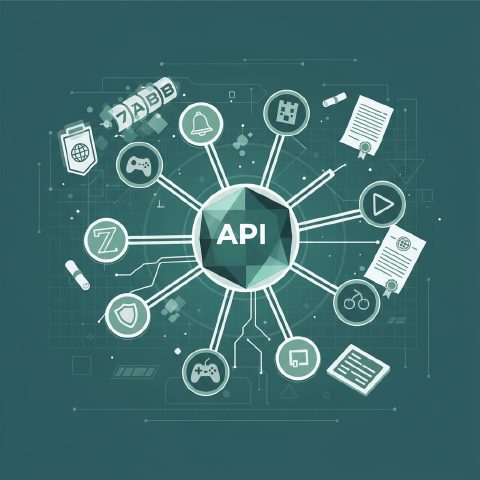
Think of an aggregator as a content distribution layer. On one side sit game studios — NetEnt, Pragmatic Play, Play'n GO, Hacksaw Gaming, and hundreds of others. On the other side sits your casino platform. The aggregator handles the technical translation between them: wallet calls, game-launch URLs, RTP reporting, jackpot feeds, and free-round mechanics all flow through a single integration point that your platform team connects to once. After that, adding a new studio is typically a commercial decision, not an engineering sprint.
The problem this solves is real and expensive. A direct integration with a Tier-1 studio like Pragmatic Play involves legal negotiation, technical certification, a dedicated test environment, ongoing API maintenance, and sometimes a minimum monthly guarantee before you've earned a single cent in royalties. Multiply that across 20 studios and you're looking at 12–18 months of work and a six-figure legal and engineering bill before your lobby is competitive. Aggregators compress that timeline to weeks and shift the integration burden onto their own technical team.
There's a subtler benefit that operators miss until they've launched: ongoing compliance. When a studio updates its API, changes a game's RTP, or needs to add a new responsible-gambling feature to meet a regulator's demand, the aggregator absorbs that change centrally. Without one, every studio update is your engineering team's problem. That hidden maintenance cost is one of the strongest arguments for staying on an aggregator even as you scale.
How does a casino content aggregator actually work technically?
An aggregator exposes a unified REST or WebSocket API that your platform calls to launch games, settle bets, and retrieve reporting data. Behind that API, the aggregator maintains individual integrations with each studio, normalising different wallet protocols, session-management systems, and data schemas into a consistent format your back-office can consume without knowing which studio produced the game.
The core technical handshake works like this: a player clicks a game tile in your lobby, your platform sends a game-launch request to the aggregator's API with the player's session token and currency, the aggregator authenticates the request, calls the relevant studio's launch endpoint, and returns a signed URL that opens the game in an iframe or standalone window. Bet settlement flows back through the same pipe — the studio sends debit/credit calls to the aggregator's wallet endpoint, which forwards them to your platform in real time. From your back-office perspective, every game looks identical regardless of which studio made it.
Reporting is where aggregators add a lot of operational value. Instead of logging into 30 different studio back-offices to pull GGR data, you query one dashboard or data feed. Aggregators like EveryMatrix CasinoEngine and SoftSwiss Game Aggregator both offer near-real-time reporting APIs that can feed your BI stack directly. That matters when you're running bonus campaigns and need accurate RTP data to avoid margin bleed.
One technical detail worth flagging: most aggregators operate a 'seamless wallet' model, meaning your platform holds the player's balance and the aggregator's wallet calls hit your system in real time. A minority offer a 'transfer wallet' model, where the aggregator holds a separate balance and funds are transferred in batches. Seamless is almost always preferable for player experience and fraud control, but it requires your platform to handle high-frequency, low-latency API calls reliably — something to stress-test before go-live.
What is the difference between a game aggregator, a platform, and a white-label solution?
A game aggregator is purely a content layer — it delivers games but doesn't manage players, payments, or compliance. A platform (turnkey or custom) handles the full back-office: player accounts, payments, CRM, and bonus engine. A white-label bundles platform plus content plus a licence under one commercial agreement. Most operators use an aggregator as a component inside a platform, not as a standalone product.
Conflating these three is one of the most common mistakes I see in early operator conversations. A vendor pitching you a 'casino aggregator' is selling you access to games. A vendor pitching a 'turnkey casino platform' is selling you the operational infrastructure. You need both, and the question is whether you source them separately or from a single vendor who bundles them. EveryMatrix, for example, sells CasinoEngine (its aggregator) as a standalone product that can sit on top of any platform, but it also sells a full turnkey stack where CasinoEngine is one module. SoftSwiss does the same with its Game Aggregator product.
White-label solutions typically bundle everything — platform, aggregator, payment processing, and sometimes a sub-licence under the provider's master licence (common in Curaçao). The trade-off is speed and cost versus control. A white-label can get you live in 4–8 weeks; a custom platform with a standalone aggregator integration takes 6–12 months. But on a white-label you're sharing infrastructure, your brand differentiation is limited, and the commercial terms are usually less negotiable.
For operators entering a regulated market like New Jersey, Pennsylvania, or an MGA jurisdiction, the aggregator choice intersects directly with compliance. Not all aggregators are certified in all jurisdictions. Pariplay, for instance, has strong coverage across MGA and several US states. If your aggregator can't certify its integration for your target regulator, you're stuck — you'd need to either switch aggregators or build direct studio integrations for that market, which defeats the purpose.
| Dimension | Game Aggregator | Turnkey Platform | White-Label Solution |
|---|---|---|---|
| What it provides | Game content via API | Back-office, CRM, payments | Full stack incl. content + licence |
| Time to integrate | 2–8 weeks | 3–9 months | 4–8 weeks |
| Operator control | High (content layer only) | High (own stack) | Low–Medium |
| Upfront cost | €5K–€50K setup | €50K–€500K+ | Low/revenue-share |
| Ongoing cost | GGR % + minimums | Licence fee + infra | Rev-share or flat fee |
| Licence required | Yes (your own) | Yes (your own) | Sometimes sub-licensed |
| Best for | Operators with a platform | Scaling operators | Fast-launch / low capital |
Which casino aggregators are the major players in 2026?
The aggregator market is dominated by a handful of established names: EveryMatrix (CasinoEngine), SoftSwiss Game Aggregator, Relax Gaming, Pariplay (Aspire Global), BetConstruct, and Slotegrator. Each has a different game count, jurisdiction footprint, and commercial model. Choosing based on game count alone is a mistake — regulatory coverage and revenue-share structure matter far more.
EveryMatrix's CasinoEngine is one of the most widely deployed aggregators in the EU and offshore markets, carrying 10,000+ games from 200+ studios as of early 2026. Its strength is MGA-certified content and a mature API with solid reporting. SoftSwiss operates a competing aggregator that integrates tightly with its own platform and is popular among crypto-friendly operators — if you're launching a Bitcoin casino, the SoftSwiss stack is worth a serious look because the wallet and aggregator are designed to work together natively.
Relax Gaming occupies an interesting niche: it's both a studio (producing titles like Money Train) and an aggregator via its 'Powered By Relax' programme. Its game count is smaller than EveryMatrix, but the curation is strong and it carries some exclusive content you can't get elsewhere. Pariplay (now part of Aspire Global, itself acquired by Evoke) has historically been strong in regulated European markets and has been expanding its US state certifications — worth checking if North America is on your roadmap.
Slotegrator and BetConstruct tend to attract operators in emerging markets — LATAM, Africa, CIS — where price sensitivity is higher and some of the Tier-1 studio content is less critical than local and regional titles. Their pricing is generally more flexible for smaller operators. That said, their compliance tooling for strict regulators like UKGC or NJDGE is less developed, so if you're targeting those markets, you'll need to do more diligence.
| Aggregator | Est. Game Count | Key Markets | Notable Strength | Watch-Out |
|---|---|---|---|---|
| EveryMatrix CasinoEngine | 10,000+ | MGA, Curaçao, EU regulated | Breadth, API maturity | Premium pricing |
| SoftSwiss Game Aggregator | ~9,000+ | Curaçao, crypto-friendly | Native crypto wallet sync | Less strong in strict EU markets |
| Relax Gaming | ~4,000 | MGA, UKGC, Nordics | Exclusive studio content | Smaller catalogue |
| Pariplay | ~7,000 | MGA, some US states | Regulated market certs | Post-acquisition roadmap unclear |
| BetConstruct | ~6,000 | LATAM, Africa, CIS | Flexible pricing, local studios | Weaker UKGC/US compliance tooling |
| Slotegrator | ~5,000+ | Emerging markets | Cost-effective, fast onboarding | Limited Tier-1 exclusives |
What does a casino aggregator cost — and what do vendors understate?
Aggregator costs have three layers: a one-time setup fee (typically €5,000–€50,000 depending on provider and negotiation), a monthly minimum guarantee (often €2,000–€10,000/month for smaller operators), and a content fee of roughly 1–4% of GGR charged on top of whatever the studios take. The studio royalty itself runs another 10–20% of GGR, so your total content cost can easily reach 15–25% of GGR before you've paid for anything else.
The number vendors consistently undersell is the studio royalty that sits underneath the aggregator fee. When an aggregator quotes you a '2% content fee', that 2% is their margin for running the middleware — it doesn't include what Pragmatic Play or NetEnt charge for their games. Studio royalties are typically 15–18% of GGR for Tier-1 providers, sometimes higher for branded or jackpot content. So your real content cost is aggregator fee plus studio royalty, and on a €500,000 GGR month, that's a meaningful line item.
Monthly minimums are the other trap. Many aggregators require a minimum monthly payment regardless of your actual GGR — essentially a floor that protects their revenue during your ramp-up. For a new operator, this can mean paying €5,000–€10,000/month in guaranteed fees before your player base generates enough GGR to cover it organically. Model this carefully in your P&L before signing. I've seen operators get surprised by six months of minimums while still in soft-launch, burning through runway they didn't budget for.
Setup fees vary enormously by negotiation leverage. A well-funded operator launching with a credible team and a real licence can often negotiate the setup fee down or waive it entirely in exchange for a slightly higher GGR share. Conversely, if you're a first-time operator with no track record, expect to pay full rack rate. Some aggregators also charge separately for specific features — bonus tools, jackpot network participation, live casino modules — so read the contract line by line and ask for a full fee schedule, not just the headline number.
One cost that's genuinely hard to quantify upfront is certification fees in regulated markets. If you're targeting MGA, UKGC, or a US state, the aggregator may need to certify its integration with that regulator, and that cost — sometimes five figures — may be passed to you or shared. Clarify this before signing, especially if you're entering a jurisdiction the aggregator hasn't previously certified for.
How does an iGaming solution aggregator handle licensing and compliance?
An aggregator doesn't hold your licence — you do. But a good aggregator actively supports compliance by maintaining certified integrations in each jurisdiction, providing RTP certificates, enforcing responsible-gambling mechanics (session limits, reality checks, self-exclusion), and keeping game content updated to meet evolving regulatory requirements. The aggregator's compliance footprint is a direct constraint on where you can legally operate.
The practical compliance workflow looks like this: you obtain your operator licence from Curaçao eGaming, the MGA, or whichever regulator applies to your market. Your aggregator then provides documentation proving that the games it supplies are certified for that jurisdiction — typically RNG audit certificates from labs like BMM, eCOGRA, or Gaming Laboratories International (GLI), plus jurisdiction-specific game-compliance reports. Your regulator will want to see this documentation during the licensing process or at audit time.
Where aggregators genuinely earn their fee is in ongoing regulatory maintenance. The UKGC, for example, has updated its technical standards multiple times since 2020, requiring changes to game-load messaging, stake limits, and bonus mechanics. Each update ripples through to every studio's game, and the aggregator is supposed to absorb and propagate those changes centrally. In practice, the quality of this varies — larger aggregators with dedicated compliance teams handle it well; smaller ones can lag by weeks or months, creating a window of regulatory exposure for operators.
US-facing operators face a more fragmented picture. Each state — New Jersey (NJDGE), Pennsylvania (PGCB), Michigan (MGCB), Connecticut (DOSR) — runs its own technical certification process for both platforms and games. An aggregator certified in New Jersey is not automatically certified in Pennsylvania. Pariplay and EveryMatrix have been more proactive about US state certifications than most, but the map is still incomplete. If US iGaming is your target, map out exactly which states your chosen aggregator is certified in before you commit to a platform build around it.
When should an operator use a direct studio deal instead of an aggregator?
Direct studio deals make sense when you have enough GGR volume to negotiate meaningfully (typically €1M+/month per studio), a technical team capable of managing multiple simultaneous integrations, and a strategic reason to want exclusivity or preferential content access. For most operators under that volume threshold, the economics of direct deals are worse than an aggregator, not better.
The appeal of going direct is clear: you cut out the aggregator's margin, potentially negotiate a lower studio royalty at scale, and may get access to exclusive content or early game releases. Studios like Pragmatic Play and Play'n GO do offer preferential terms to high-volume operators — dedicated account managers, co-branded tournaments, first-look at new titles. But those terms are reserved for operators generating real volume. If you're doing €200K GGR/month, a studio's commercial team isn't going to prioritise your deal, and you'll likely end up on worse terms than what a good aggregator has already negotiated on your behalf.
There's also the integration cost to factor in. A direct integration with a Tier-1 studio typically involves 4–12 weeks of engineering work, legal review of a studio-specific agreement, and ongoing API maintenance. If you're managing 20 direct integrations, that's a meaningful engineering overhead that could otherwise go into product improvements. The studios most worth going direct with early are the ones that either don't work with your chosen aggregator (rare, but it happens with some newer or regional studios) or where you have a specific commercial arrangement that justifies the complexity.
My honest recommendation: start on an aggregator, get to scale, then selectively go direct with your top 3–5 studios by GGR contribution once you have the volume to negotiate. Keep the aggregator for the long tail. This hybrid model is what most mature operators actually run — it's not an either/or choice.
What should operators look for when evaluating a casino aggregator?
Evaluate aggregators across five dimensions: jurisdiction coverage (are the games certified for your target market?), studio depth in your player demographic's preferred categories, API quality and uptime SLAs, commercial terms including minimums and GGR share, and the aggregator's compliance team responsiveness. A 10,000-game catalogue means nothing if the API goes down during peak hours or the compliance team takes two weeks to respond to a regulator query.
Start with jurisdiction coverage — it's the hardest thing to change after you've integrated. Pull the aggregator's certified-markets list and cross-reference it against your licence jurisdiction and any expansion markets on your 24-month roadmap. If you're launching on Curaçao with plans to apply for an MGA licence in year two, confirm that the aggregator's integration is already MGA-certified. Re-integrating or switching aggregators mid-operation is expensive and disruptive.
API quality is harder to assess from a sales call, so ask for a sandbox environment and have your technical team run load tests before signing. Key metrics: game-launch latency (under 2 seconds is the baseline), wallet call response time, and the aggregator's historical uptime (ask for 12 months of SLA data, not just a contractual promise). Also ask about their incident response process — when a studio pushes a broken game update at 2am on a Friday, how fast does the aggregator detect and pull it? I've seen operators take hours of player complaints before anyone acted.
On the commercial side, the key negotiation levers are: setup fee (often negotiable to zero for credible operators), monthly minimum (push for a ramp period where minimums are lower for the first 3–6 months), and the content fee percentage (even 0.5% matters at scale). Also clarify whether the content fee is charged on gross GGR or net of bonuses — the difference can be significant if you're running aggressive bonus campaigns.
Finally, ask about the aggregator's roadmap for new studio additions. An aggregator that hasn't added a meaningful new studio in 12 months is probably stagnating. The iGaming content market moves fast — Hacksaw Gaming went from obscure to essential in two years — and you want an aggregator whose commercial team is actively signing new studios rather than coasting on an existing catalogue.
How long does it take to integrate a casino aggregator?
A standard aggregator integration takes 2–8 weeks for a competent technical team, assuming the aggregator provides a well-documented API and a responsive integration support team. The variance comes from your platform's architecture, the complexity of your wallet implementation, and how quickly the aggregator's technical team responds to queries. Certification in a regulated market adds 4–16 weeks on top of that.
The integration itself breaks into four phases: API familiarisation and environment setup (1–3 days), wallet integration and game-launch implementation (1–2 weeks), QA and testing across a representative game sample (1–2 weeks), and go-live preparation including lobby configuration and reporting setup (1 week). If your platform is a standard white-label or turnkey product from a provider like SoftSwiss or EveryMatrix, the aggregator may already be pre-integrated, reducing your timeline to a commercial agreement and configuration — sometimes as little as a few days.
The timeline blows out when the aggregator's integration documentation is poor or their technical support is slow. This is more common than vendors admit. Ask specifically about the size of their integration support team and average response time during your due diligence. An aggregator with one integration engineer supporting 50 operators simultaneously will leave your team waiting. The better-resourced aggregators assign a dedicated integration manager for the onboarding period — worth paying a premium for if your launch timeline is tight.
Regulated market certification is the wildcard. If you need the aggregator's content certified for a new jurisdiction — say, a US state where they haven't previously operated — the certification process with a test lab like GLI or BMM can take 3–6 months. This isn't the aggregator dragging its feet; it's the regulator's timeline. Plan for this in your launch schedule and don't assume that because an aggregator says they're 'working on' a certification, it'll be done by your target go-live date.
What are the risks of relying on a single casino aggregator?
Single-aggregator dependency creates three real risks: commercial leverage erosion (the aggregator can raise fees knowing you can't easily switch), studio availability gaps (if a studio terminates its aggregator contract, you lose those games overnight), and a single point of technical failure. Operators running significant GGR through one aggregator should have a contingency plan, even if they don't act on it immediately.
The commercial leverage problem compounds over time. When you first sign with an aggregator, you're a small account and accept their standard terms. As you grow, you become more valuable — but you're also more deeply integrated, making it harder to threaten a switch credibly. Aggregators know this. I've seen operators paying above-market content fees for years because re-integrating would cost more in engineering time and potential downtime than the fee savings justified. The solution is to negotiate renewal terms into your original contract: price caps, volume-based discounts, and a right to re-negotiate at defined GGR thresholds.
Studio availability is a less-discussed risk. Aggregator-studio relationships are commercial contracts, and they do terminate. If Pragmatic Play decides to pull content from a mid-tier aggregator over a commercial dispute, every operator on that aggregator loses access to one of the industry's highest-GGR studios with potentially very little notice. This has happened. The mitigation is to maintain at least a few direct studio relationships for your highest-volume content, even if the rest of your catalogue runs through an aggregator.
Technical dependency is the most operationally dangerous risk. If your aggregator has a major outage, your entire game lobby goes dark. Aggregator SLAs typically promise 99.9% uptime — that's about 8.7 hours of downtime per year — but in practice, incidents happen. The better aggregators have redundant infrastructure and transparent status pages; the worse ones go quiet during incidents and you find out from player complaints. Ask for their incident history before signing, and make sure your contract includes meaningful SLA credits for downtime, not just a contractual promise with no teeth.
How do casino aggregators handle live casino and other non-slot content?
Most aggregators distribute live casino content from studios like Evolution, Pragmatic Play Live, and Ezugi alongside slots, but live casino has a different commercial and technical structure. Live tables carry higher royalty rates (often 20–30%+ of GGR), require dedicated video streaming infrastructure, and some studios — Evolution in particular — prefer direct deals with operators rather than routing through aggregators.
Evolution Gaming is the elephant in the room here. It's the dominant live casino supplier globally, and its commercial approach has historically favoured direct operator relationships over aggregator distribution. Some aggregators do carry Evolution content, but the terms are typically less favourable than a direct deal, and Evolution's account management for aggregator-routed operators is lighter-touch. If live casino is a significant part of your revenue model — which it should be, given that live casino typically delivers higher GGR per active player than slots — a direct Evolution relationship is worth pursuing in parallel with your aggregator setup.
Pragmatic Play Live and Ezugi are more aggregator-friendly and are available through most major aggregators. Pragmatic Play Live in particular has expanded aggressively and now offers a competitive live lobby that works well for operators who want a single-vendor live solution. The trade-off versus Evolution is brand recognition with players — Evolution's tables carry more cachet in most markets.
Beyond live casino, aggregators increasingly distribute virtual sports, crash games, and instant-win content. The technical structure for these is similar to slots — game-launch API, seamless wallet — but the compliance picture can differ. Crash games, for example, sit in a regulatory grey area in some jurisdictions and may not be certifiable in markets with strict game-type restrictions. Check the compliance status of non-slot content categories for your specific jurisdiction before including them in your launch lobby.




Comments
No comments yet, be the first.