Start Your Own Online Casino for Free in 2026: The Myth vs. The Brutal Reality
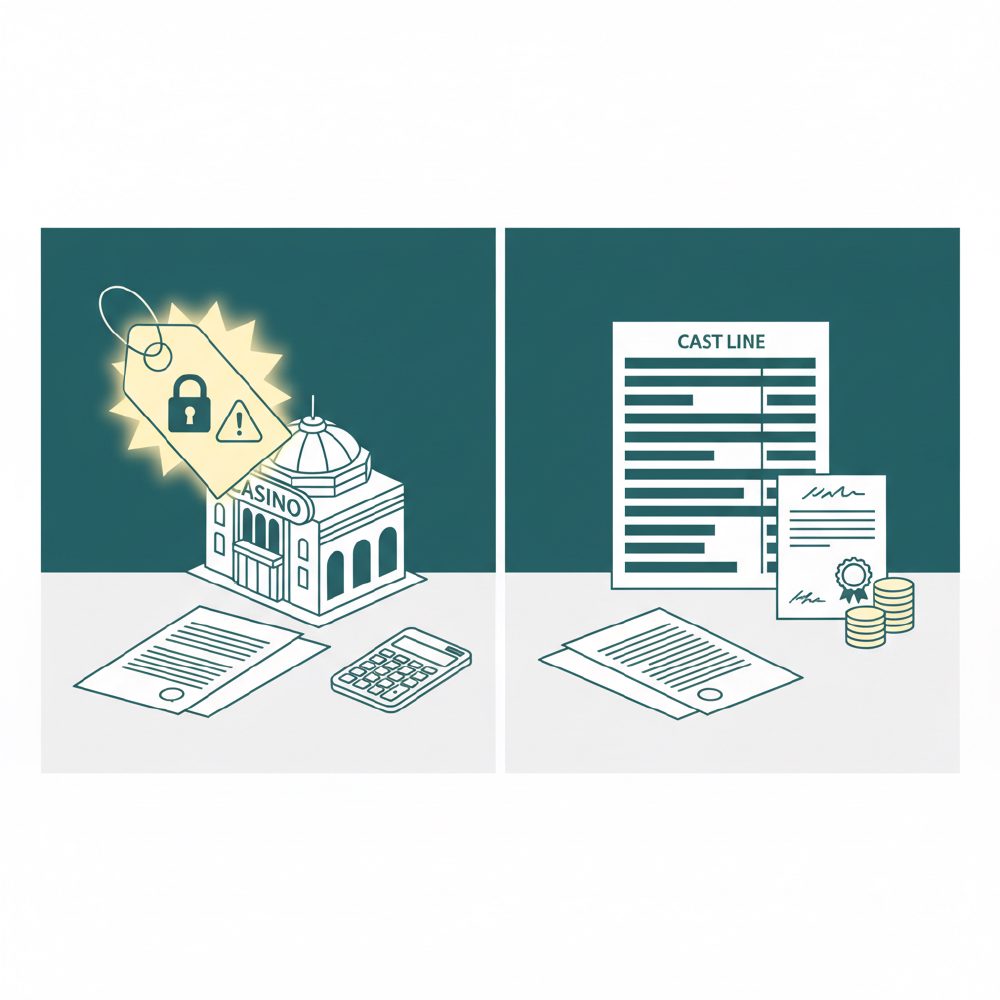
What does 'start your own online casino for free' actually mean in practice?
In practice, it means almost nothing. The phrase is a lead-generation hook used by white-label resellers and aggregator platforms to attract founders who haven't yet priced a real launch. What vendors call 'free' is usually a deferred cost, a revenue share that compounds over years, or a stripped demo with no real gaming license attached.
I've reviewed dozens of B2B vendor decks that use 'free' as a headline. When you get to page eight of the contract, you find a 35–45% GGR share, a mandatory minimum monthly fee after month three, and a setup fee labeled something like 'onboarding support.' That's not free — it's a loan with no stated interest rate and no repayment schedule, which is actually worse than a transparent upfront cost.
There are two legitimate scenarios where upfront cash outlay is genuinely low. First, becoming a sub-licensee under an existing Curaçao master license (companies like Antillephone or Gaming Curacao issue these) costs roughly $3,000–$8,000 in fees rather than the $25,000–$35,000 a standalone Curaçao license application runs. Second, white-label platforms like SoftSwiss's turnkey product, EveryMatrix's CardsChat-based stack, or BetConstruct offer revenue-share arrangements where you pay no large platform license fee upfront. But in both cases, you still need operating capital for payment processing reserves, KYC tooling, and the inevitable first-month marketing budget.
The honest number for the most stripped-down legitimate launch I've seen — Curaçao sub-license, white-label on full rev-share, minimal game content — is $15,000 to $40,000 in unavoidable cash before you go live. Anyone quoting you zero is either selling you a demo or hiding costs in the revenue share. Neither is a business you want to run.
What are the unavoidable costs every operator faces regardless of the model?
Licensing, KYC/AML compliance tooling, payment processing reserves, and a minimum viable marketing budget are non-negotiable regardless of whether you use white-label, turnkey, or custom-built infrastructure. These costs exist because regulators, banks, and payment processors demand them — no vendor can waive them on your behalf.
Licensing is the first wall. A Curaçao Gaming Control Board license (post-2023 reform, now issued by the GCB under the new National Ordinance) runs approximately $17,000–$30,000 all-in for a standalone application, including the required local UBO disclosure and compliance officer appointment. A Malta Gaming Authority B2C license is closer to €25,000 in application fees plus a €25,000 compliance contribution and ongoing annual fees. Isle of Man and Gibraltar licenses are in a similar range. These are public figures — the GCB and MGA publish their fee schedules, so I'm not guessing.
KYC and AML tooling is the line item that blindsides first-time operators. You need an identity verification provider — Sumsub, Onfido, and Shufti Pro are the common choices in iGaming — and that costs anywhere from $0.50 to $3.00 per verification depending on volume and document type. At 500 new registrations per month, you're spending $250–$1,500 monthly just on ID checks. Add a transaction monitoring tool for AML (ComplyAdvantage, Refinitiv World-Check, or a built-in solution from your platform provider), and you're easily at $500–$2,000/month for compliance infrastructure alone.
Payment processing reserves are the silent killer. PSPs and acquirers processing gambling transactions typically require a rolling reserve of 5–10% of monthly processed volume, held for 90–180 days. If you process $100,000 in your first three months, expect $5,000–$10,000 to be locked in reserve. That's real working capital you can't touch. Crypto-only operations sidestep this partially, but then you face a different problem: a much smaller addressable player market and no chargeback protection framework.
| Cost Item | Curaçao Sub-License | Curaçao Standalone | MGA (Malta) |
|---|---|---|---|
| License / application fee | $3,000–$8,000 | $17,000–$30,000 | €25,000–€35,000 |
| KYC/AML tooling (monthly) | $300–$1,500 | $300–$1,500 | $500–$2,500 |
| Payment reserve (3-month est.) | $5,000–$15,000 | $5,000–$15,000 | $10,000–$30,000 |
| Responsible gambling tools | $200–$800/mo | $200–$800/mo | $500–$1,500/mo |
| Legal & compliance setup | $3,000–$8,000 | $5,000–$15,000 | $10,000–$25,000 |
| Realistic minimum cash needed | $15,000–$35,000 | $35,000–$70,000 | $60,000–$120,000 |
How do white-label platforms reduce upfront costs — and what do you give up?
White-label platforms shift costs from upfront capital to ongoing revenue share, typically 30–50% of GGR. That trade is worth it at launch when capital is scarce, but it becomes painful at scale. The operator also surrenders control over the tech stack, game selection, and often the payment layer — which directly affects conversion.
SoftSwiss, EveryMatrix, Digitain, and BetConstruct all offer white-label casino products where the platform fee is embedded in a revenue share rather than charged as a lump sum. The pitch is compelling: you get a fully operational back-office, a game aggregator with 3,000–10,000 titles, and a payment module without writing a check for $80,000 upfront. For a founder with $20,000 in capital, that's the only viable path.
The trade-off shows up at month 18. If your casino is generating $200,000 GGR per month and you're on a 40% rev-share, you're paying $80,000/month to your white-label provider — $960,000 per year. A turnkey solution with a one-time license fee of $150,000 would have paid for itself in two months at that volume. This is the math vendors don't put in their pitch decks. I've seen operators locked into multi-year white-label agreements who were effectively working for their platform provider.
Beyond cost, control is the real issue. On most white-label setups, the platform provider holds the primary gaming license and the player data sits in their infrastructure. If you want to migrate to your own license later, you may not own the player database in a portable format — that's a contract clause worth fighting for before you sign. The game lobby is also constrained: you can usually only offer titles from the aggregator's existing portfolio, which means you can't do exclusive deals with studios or negotiate direct revenue shares with providers like Pragmatic Play or Evolution.
My recommendation: white-label is the right starting point for most operators below $500,000 in available capital, but build the migration path into your business plan from day one. Negotiate data portability, avoid exclusivity clauses, and model the rev-share cost at multiple GGR scenarios before you sign.
| Factor | White-Label (Rev-Share) | Turnkey (License Fee) | Custom Build |
|---|---|---|---|
| Upfront platform cost | $0–$10,000 | $50,000–$200,000 | $200,000–$1,000,000+ |
| Ongoing platform cost | 30–50% GGR | $2,000–$10,000/mo | Staff + hosting |
| Time to launch | 4–12 weeks | 3–6 months | 12–24 months |
| Control over tech stack | Low | Medium | Full |
| Player data ownership | Partial / shared | Usually operator-owned | Fully operator-owned |
| Game selection flexibility | Limited to aggregator | Moderate | Full |
| Best for | Bootstrapped launchers | Funded operators | Large-scale or unique products |
Are there any genuinely free casino software options, or is it all marketing?
Genuinely free casino software doesn't exist in any form that produces a legal, operational casino. What exists is demo environments, open-source frameworks with no gaming content, and deferred-payment models. Any software capable of running real-money gambling requires licensed game content, certified RNGs, and a compliant payment layer — none of which is free.
You'll find GitHub repositories with casino-themed front-end templates and even some back-office logic. None of them come with licensed game content. The games themselves — slots, live dealer tables, RNG table games — are owned by studios like Pragmatic Play, NetEnt (now part of Evolution), Play'n GO, or Hacksaw Gaming. Licensing those games costs either a per-game integration fee or a revenue share of 10–20% of GGR per studio. You cannot legally operate real-money casino games without those licensing agreements in place, full stop.
Some aggregators like Slotegrator or Everymatrix's Hubs product advertise 'free integration' — meaning they waive the API integration fee in exchange for a higher rev-share on game revenue. That's a legitimate model, but it's not free software; it's a different payment structure. The underlying game content still costs money, the aggregator still takes a cut, and you still need a license to operate.
The closest thing to a genuinely reduced-cost software path is using a platform provider that bundles everything — front-end, back-office, games, payments — into a single rev-share deal with no upfront fee. Turnkey Casino Solutions, for example, offers this structure. But read the fine print: minimum monthly guarantees, territory restrictions, and exit clauses are where these deals get expensive fast.
Can you start an online casino without a license to save money?
No. Operating without a license exposes you to criminal liability in most jurisdictions, makes it impossible to open merchant accounts, and means payment processors will freeze or seize your funds. The 'gray market' approach some operators attempt — targeting markets where online gambling isn't explicitly regulated — is shrinking fast as regulators in LATAM, Africa, and Southeast Asia formalize their frameworks.
I've spoken with operators who launched without a license targeting markets they believed were unregulated. The consistent failure point isn't a regulator knocking on the door — it's payments. No reputable PSP will process gambling transactions without proof of a valid gaming license. That pushes you toward crypto-only or toward high-risk payment processors charging 8–15% per transaction, which destroys your margins and attracts a player demographic that is disproportionately prone to fraud and chargebacks.
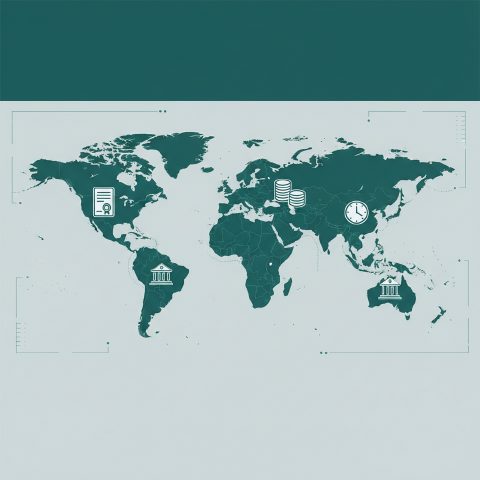
The regulatory map is also tightening. Brazil's SECAP formally regulated online sports betting and casino in 2024–2025 under the Ministry of Finance framework. Colombia's Coljuegos has been actively enforcing against unlicensed operators since 2016. Peru's MINCETUR added online casino to its licensing scope. Mexico's SEGOB has jurisdiction over online gambling under the Federal Gaming Law, though enforcement has been inconsistent. The point is that 'gray' jurisdictions are becoming regulated jurisdictions on a 12–36 month cycle. If you build a business in a gray market today, you're building on sand.
The one nuance worth acknowledging: some operators use a Curaçao or Anjouan license as a global catch-all while they develop market-specific licensing strategies. This is common and legal — Curaçao and Anjouan licenses don't restrict you from accepting players from most jurisdictions (though they don't protect you in locally-regulated markets like New Jersey or Ontario). This is a risk-managed approach, not a no-license approach. The license still costs money; it just costs less than a tier-1 license.
What is the cheapest legitimate path to launch an online casino in 2026?
The cheapest legitimate path is a Curaçao sub-license under an existing master licensee combined with a white-label platform on a revenue-share deal, targeting crypto-friendly markets to reduce payment processing friction. Realistic all-in startup cash is $15,000–$40,000, though that number assumes you have relevant business experience and aren't paying for basic consulting on every decision.
Here's the actual sequence. First, identify a Curaçao master licensee willing to issue a sub-license — companies like Antillephone N.V. or Curacao eGaming (now operating under the new GCB framework) have historically done this. Budget $3,000–$8,000 for the sub-license and associated legal work. This gets you a compliant legal entity with a real license number you can show to PSPs. The new Curaçao National Ordinance on Games of Chance (effective 2023, enforcement ramping through 2024–2025) has tightened sub-licensing requirements, so verify the master licensee's standing before you pay anything.
Second, select a white-label platform that includes a game aggregator and payment module in its rev-share deal. SoftSwiss's white-label product, BetConstruct, and Digitain all offer this. Expect to give up 35–45% of GGR. Negotiate hard on the minimum monthly guarantee — some providers waive it for the first six months, which is critical when you're building player volume. The platform setup fee, if any, should be under $5,000 for a standard white-label configuration.
Third, integrate a crypto payment layer alongside a traditional PSP. B2BinPay, CoinsPaid, and NOWPayments all serve iGaming operators and have reasonable onboarding fees. Crypto deposits reduce your reliance on traditional acquiring and lower your reserve requirements. For traditional payments, look at PSPs that specialize in gaming like Payvision, Paysafe, or regional providers — expect 3–6 weeks for underwriting and a $5,000–$10,000 reserve requirement.
Fourth, budget $5,000–$10,000 for initial player acquisition. No amount of cheap infrastructure saves a casino that nobody finds. Affiliate networks like Income Access or MyAffiliates are the standard channel — CPA deals in competitive markets run $100–$300 per depositing player. This is where most bootstrapped operators underinvest and then blame the platform when the casino doesn't grow.
How do game aggregators affect the cost of launching a casino?
Game aggregators like Slotegrator, Everymatrix, or SoftSwiss's aggregation layer let you integrate thousands of games through a single API instead of negotiating direct deals with 50+ studios. This dramatically reduces integration cost and time-to-market, but the aggregator takes a margin on every game, meaning your effective content cost is higher than direct deals at scale.
A direct deal with Pragmatic Play, for example, typically requires a minimum guarantee and a commercial negotiation that takes 3–6 months. The rev-share on direct deals is usually 10–15% of GGR from their titles. An aggregator charging 2–5% on top of the studio's cut means you're paying 12–20% total for the same content. At low volumes, the aggregator is worth every penny — you get 3,000 games on day one instead of spending six months in commercial negotiations. At $500,000+ monthly GGR, the math starts favoring direct deals for your top-performing titles.
The aggregator landscape has consolidated significantly. Relax Gaming, which was acquired by Kindred and later had its aggregation business restructured, and Game Aggregator by SoftSwiss are among the larger independent options. EveryMatrix's GameHub aggregates 20,000+ titles and is one of the most complete offerings in the market. For a new operator, the right choice is almost always an aggregator — the question is which one, and whether your white-label platform includes aggregation or charges it separately.
One thing to check: some white-label providers bundle their own aggregation but restrict you from integrating third-party studios. If a specific studio's content is important to your market — say, Aviator by Spribe for African or Eastern European players, or Fish games for Asian markets — confirm those titles are available before you sign the platform contract. Finding out post-launch that your most-requested game isn't in the lobby is an avoidable problem.
What do operators consistently underestimate in their launch budgets?
In my experience, operators systematically underestimate three things: ongoing compliance costs, customer support infrastructure, and the time lag between launch and first meaningful revenue. These aren't glamorous line items, but they're the ones that kill casinos in months three through six when the initial excitement fades and the bills keep arriving.
Compliance is a recurring cost, not a one-time expense. Beyond the initial KYC/AML setup, you need ongoing transaction monitoring, periodic AML audits, responsible gambling reports (GamCare, GamStop integration for UK-facing operators, self-exclusion databases in regulated markets), and software certification for any RNG-based games you operate. Curaçao now requires quarterly compliance reporting under the new GCB framework. MGA requires an annual compliance audit by an approved auditor. Budget $1,500–$5,000 per month for compliance operations, more if you're in a tier-1 regulated market.
Customer support is the second blind spot. Players contact support about withdrawals, bonus terms, and account verification — constantly. A 24/7 live chat operation with multilingual agents costs $3,000–$8,000 per month minimum if you outsource to a specialist like Playsafe or Enteractive. Some white-label providers include basic support in their package, but the quality is often poor enough to generate negative reviews that hurt player retention. Factor this in from day one.
The revenue timeline is the one that causes the most pain. Organic SEO for a new casino domain takes 6–18 months to generate meaningful traffic. Affiliate-driven players convert at 1–3% of clicks to depositing players. In month one, you might have 50–100 depositing players. At $100 average first deposit and a 5% house edge with 80% RTP on slots, your GGR from those players might be $500–$2,000. That doesn't cover your monthly costs. Most operators need 6–12 months of operating capital reserved before they see positive cash flow — plan for that, or you'll be out of business before the casino gets traction.
Is starting a crypto casino cheaper than a traditional online casino?
Crypto casinos reduce payment processing costs and eliminate traditional merchant account requirements, which genuinely lowers the barrier to entry. But they don't eliminate licensing requirements, compliance costs, or the need for game content. The saving is real but narrower than crypto-casino vendors typically claim.
The payment layer is where crypto genuinely helps. Traditional acquiring for gambling requires a high-risk merchant account, typically with fees of 4–8% per transaction plus a rolling reserve. A crypto payment processor like CoinsPaid or B2BinPay charges 0.5–1.5% per transaction with no rolling reserve requirement. Over $100,000 in monthly volume, that's a $3,500–$6,500 monthly saving — real money, especially at launch. Setup fees for crypto payment integration are also lower, typically $500–$2,000 versus $2,000–$8,000 for a traditional PSP integration.
The complication is player reach. A crypto-only casino excludes players who don't hold crypto, which is still the majority of recreational gamblers in most markets. You can mitigate this with on-ramp integrations (Moonpay, Simplex, Banxa) that let players buy crypto with a credit card, but those services charge 2–4% to the player and add friction to the deposit flow. Hybrid models — crypto plus traditional payments — are increasingly common and probably the right answer for most operators.
Licensing for crypto casinos is not optional, despite what some vendors imply. Curaçao and Anjouan both issue licenses that cover crypto gambling. Anjouan (Comoros) has emerged as a lower-cost alternative to Curaçao, with license fees reportedly in the $10,000–$20,000 range, though its regulatory credibility is lower and some PSPs won't accept it. If you're targeting players in regulated markets like Ontario, New Jersey, or any EU member state, you need a local license regardless of whether you're operating in crypto or fiat.
What are the legal risks of using 'free' offshore casino setups sold online?
Offshore casino setup packages sold for a few thousand dollars online typically involve shell licenses, unvetted platform providers, and terms that leave the operator legally exposed. The risks range from license revocation and fund seizure to criminal liability in jurisdictions where the operator resides — which is a separate question from where the casino is licensed.
The most common trap is a 'turnkey casino in a box' sold by a reseller who doesn't actually hold a valid license — they've purchased a website template and a forged or expired license document. I've seen this sold for $500–$2,000 on freelancer platforms and in Telegram groups. The buyer launches, processes player deposits, and then either the payment processor flags the account or a player complaint triggers a regulatory investigation. At that point, the operator has no legal protection because the license was never valid.
Even with a legitimate offshore setup, the operator's personal legal exposure depends on where they live. A UK resident operating an online casino without a UK Gambling Commission license is committing an offense under the Gambling Act 2005, regardless of whether the casino holds a Curaçao license. The same principle applies in many EU member states. The Curaçao license protects the operating entity registered in Curaçao — it does not protect you personally if you're directing the operation from a jurisdiction that requires its own license.
The practical mitigation is straightforward but adds cost: establish genuine substance in the licensing jurisdiction (a real registered office, a compliance officer who is actually present, local bank accounts), and take qualified legal advice in the jurisdictions where you and your key shareholders reside before you launch. This typically costs $5,000–$15,000 in legal fees but is non-negotiable if you're serious about the business. Cutting this corner is how operators end up with frozen funds and personal liability.



Comments
No comments yet, be the first.