Turnkey Online Casino for Sale in 2026: What to Check Before You Sign Anything

What exactly is a turnkey online casino for sale, and how does it differ from a white-label?
A turnkey online casino for sale is a pre-built gambling platform sold or licensed to an operator who runs it under their own brand and, usually, their own license. The key distinction from a white-label is control: turnkey buyers get deeper back-office access, configurable business logic, and in some models actual software ownership. White-label operators are sub-licensees sitting under the provider's master license with far less autonomy.
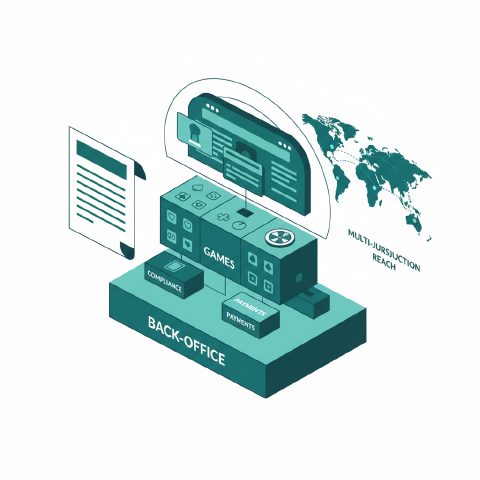
The terminology gets abused badly in vendor sales decks, so let me be precise. A true turnkey sale means the provider hands you a complete, deployable system: platform engine, CMS, payment module, game aggregator connections, and a player management back-office. You brand it, you operate it, and you hold (or acquire) your own gambling license. The provider is a technology vendor, not your regulatory umbrella. That is the clean version. In practice, many vendors listing a "turnkey online casino for sale" are actually selling a managed white-label with a slightly thicker back-office skin. The license still sits with them. Read the license clause on page one of the contract before anything else.
White-label deals, by contrast, bundle the license sub-license into the fee. You launch faster (sometimes in four to eight weeks versus three to six months for a standalone turnkey) but you surrender control over payment routing, bonus rules, and player data portability. If the master licensee loses their Curaçao or MGA license, your operation goes dark overnight. I have watched this happen to operators who had no idea their white-label provider was under regulatory review. Turnkey ownership, where you hold your own license and have contractual access to the source code or at minimum a data export right, is a fundamentally safer long-term position.
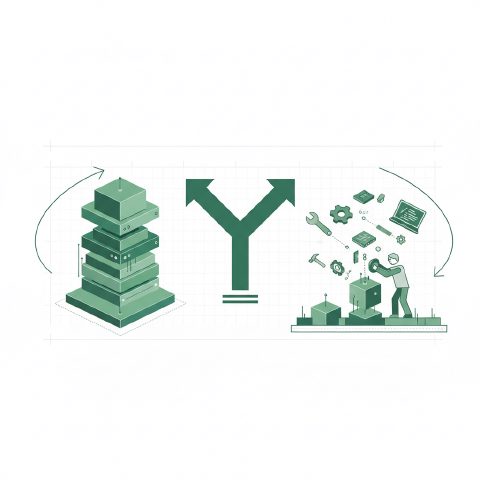
There is also a middle category worth naming: the turnkey-plus-management model offered by providers like SoftSwiss and EveryMatrix. Here you buy a fully configured platform, hold your own Curaçao or Anjouan license, but the provider continues to manage hosting, compliance tooling, and aggregator relationships on a revenue share or monthly SaaS fee. This is genuinely useful for first-time operators who need the infrastructure without building an internal tech team. The trade-off is that your gross gaming revenue (GGR) share to the provider typically runs 10-15%, which compounds painfully as the casino scales.
| Factor | Turnkey (Owned) | White-Label | Turnkey + Management |
|---|---|---|---|
| License holder | Operator | Provider (sub-license to operator) | Operator |
| Back-office access | Full or near-full | Limited | Full with provider oversight |
| Time to launch | 3-6 months | 4-8 weeks | 6-10 weeks |
| Typical upfront cost | $50K-$300K+ | $15K-$60K setup | $30K-$150K setup |
| Ongoing provider fee | Hosting/support only | Rev share 30-50% GGR | Rev share 10-15% GGR |
| Player data portability | Yes (contractual) | Rarely | Usually yes |
| Regulatory risk if provider fails | Low | High | Low-Medium |
Which licensing jurisdictions actually work for a turnkey casino operator in 2026?
Curaçao (now under the new National Ordinance framework), Anjouan, and Malta MGA are the three jurisdictions most turnkey buyers land on. Curaçao remains the volume choice for offshore operators targeting Europe and LATAM. Anjouan is cheaper and faster but carries weaker banking relationships. MGA is the gold standard for EU-facing operations but costs significantly more and takes longer to obtain.
Curaçao completed its licensing reform in late 2023, replacing the old master-sublicense structure with direct operator licenses issued by the Curaçao Gaming Control Board (GCB). As of 2026, new applicants must apply directly to the GCB rather than piggybacking on a master license holder like Antillephone or Cyberluck. The process takes roughly three to five months and the license fee is in the range of $25,000-$35,000 annually (confirm current figures with the GCB directly, as the fee schedule has been revised). The upside is that Curaçao-licensed operators can access most European player markets on a grey-market basis and have reasonable access to crypto payment processors. The downside is that major card networks increasingly scrutinize Curaçao MIDs, so your payment stack planning needs to account for that.
Anjouan (the Comoros island jurisdiction) emerged as a low-cost alternative around 2022-2023. License fees run roughly $15,000-$20,000 per year and approval can happen in six to ten weeks. The problem is that Anjouan licenses are not recognized by most Tier 1 payment processors, which pushes operators toward crypto-heavy or alternative payment stacks. If your target market expects Visa and Mastercard deposits, Anjouan creates friction you will spend real money trying to solve. I generally recommend it only for operators whose business model is primarily crypto or who are testing a concept before upgrading to Curaçao or MGA.
MGA (Malta Gaming Authority) is the right answer if you are targeting regulated EU markets and need relationships with mainstream payment providers, major game studios, and institutional investors. The application process takes nine to twelve months, requires a Maltese legal entity, a compliance officer, and detailed AML/KYC policies. Setup costs including legal fees typically run €50,000-€150,000 before you have processed a single bet. For operators buying a turnkey platform to enter the EU market seriously, the MGA overhead is worth it. For operators testing a new vertical on a limited budget, it is overkill. Also worth noting: if you plan to target specific regulated markets like Colombia (Coljuegos), Mexico (SEGOB/SEJMEX), or Peru (MINCETUR), you will need local licenses on top of whatever offshore license you hold, and most turnkey providers do not include that in their standard package.
What does a turnkey online casino actually cost to buy and operate in year one?
Expect to spend $80,000 to $400,000 in year one depending on jurisdiction, provider, and market. The platform license or purchase fee is the smallest line item once you add licensing, payment integration, KYC tooling, content fees, and staff. Operators who budget only for the headline turnkey price routinely run out of capital before they hit positive GGR.
Here is how the real cost stack breaks down. The turnkey platform itself, whether a one-time license fee or a setup charge, typically ranges from $30,000 on the low end (budget providers, limited game content, shared infrastructure) to $250,000+ for a premium build from providers like SoftSwiss, EveryMatrix, or Digitain. That fee buys you the configured software. It does not buy you the license, the payment gateway, the KYC/AML provider, or the player acquisition budget.
Licensing adds $15,000-$35,000 for Curaçao or Anjouan, or $50,000-$150,000+ for MGA, plus ongoing annual renewal fees and compliance costs. A proper KYC/AML stack (Sumsub, Jumio, or similar) runs $0.50-$2.00 per verification depending on volume and tier. Payment gateway integration, especially if you need multiple PSPs to cover Europe and LATAM, typically costs $5,000-$20,000 in integration work plus monthly fees and per-transaction charges. Game content via an aggregator like Relax Gaming, Softswiss Aggregator, or EveryMatrix's CasinoEngine carries a revenue share of 10-20% of GGR on top of whatever the platform provider takes.
Add a customer support team (even outsourced), a responsible gambling compliance budget, and at minimum a basic SEO and paid acquisition spend, and year-one total cost of ownership for a properly launched turnkey casino sits between $200,000 and $600,000 for most operators. The $50,000 "turnkey casino" ads you see on B2B marketplaces are selling you a configured shell. The operational reality costs three to five times more. Budget accordingly, or you will be back in the market looking for emergency capital six months after launch.
| Cost Category | Low Estimate | High Estimate | Notes |
|---|---|---|---|
| Platform license/setup | $30,000 | $250,000 | Varies by provider and customization depth |
| Gambling license (Curaçao/Anjouan) | $15,000 | $35,000 | Annual; MGA is $50K-$150K+ |
| Legal & compliance setup | $10,000 | $40,000 | AML policies, T&Cs, data protection |
| Payment gateway integration | $5,000 | $20,000 | Plus per-transaction fees ongoing |
| KYC/AML tooling (year 1) | $5,000 | $30,000 | Volume-dependent |
| Game aggregator rev share | 10% GGR | 20% GGR | On top of platform rev share |
| Hosting & infrastructure | $3,000 | $15,000 | Often included in premium packages |
| Staff / outsourced support | $20,000 | $80,000 | Customer support, compliance officer |
| Player acquisition (marketing) | $30,000 | $200,000+ | Highly variable by market |
| TOTAL ESTIMATE | ~$120,000 | ~$670,000+ | Before positive GGR |
How do you evaluate a turnkey online casino provider before committing?
Evaluate a turnkey provider on five dimensions: platform track record (live references, not just case studies), contract terms (IP ownership, data portability, exit clauses), game content depth and aggregator relationships, payment module flexibility, and technical SLAs. Any provider that resists sharing live operator references or showing you the actual contract before a sales call is a red flag.
Start with the reference check. Ask the provider for three live operators running on their platform. Not logos on a homepage, not a PDF case study. Actual contact details for operators you can call. Ask those operators specifically about back-office stability, what breaks during high-traffic periods, how responsive the technical support team is, and whether the revenue share figures in the contract match what actually hits their account. This call takes thirty minutes and will save you more trouble than any amount of demo time.
The contract review is where most operators get hurt. Key clauses to examine: who owns the player database and under what conditions can you export it; what happens to your operation if the provider is acquired or goes insolvent; what is the minimum contract term and what are the exit penalties; does the provider have a right to terminate your access if you miss a revenue threshold. I have seen contracts where the provider could shut down an operator's platform with 30 days notice if monthly GGR fell below a specified floor. That is an existential risk for a new casino in its first year.
Technical due diligence should include a review of the API documentation (is it current and complete?), a test of the back-office with real credentials (not a demo environment), and a conversation with the provider's technical team about their infrastructure. Ask specifically: what is the uptime SLA and what is the compensation mechanism if they breach it; is the platform hosted on shared or dedicated infrastructure; how are security patches and platform updates deployed and do they require downtime. Providers like EveryMatrix publish detailed technical documentation and have enterprise SLAs. Smaller providers often do not, and "99.9% uptime" in a contract without a defined measurement window is meaningless.
Finally, look hard at the game content situation. Many turnkey packages include access to a game aggregator, but the specific studios available, the revenue share rate on that content, and whether the aggregator relationship is transferable if you change platforms all need to be spelled out. Some aggregator agreements are tied to the platform provider's master deal and cannot be novated to you if you migrate. That means if you outgrow the platform, you lose your game library too.
What game content and aggregator arrangements should you expect in a turnkey package?
Most turnkey providers bundle access to one or more game aggregators, giving you 3,000 to 10,000 titles from day one. The catch is that aggregator access is usually licensed through the platform provider, not directly to you, which means the revenue share on game content sits on top of your platform fee and you have limited negotiating power on studio terms.
The aggregator model works like this. A provider like SoftSwiss integrates with aggregators such as Relax Gaming, Pragmatic Play, Evolution (live dealer), and dozens of smaller studios. When you buy a SoftSwiss turnkey, you get access to that aggregated library under SoftSwiss's master agreements. The platform takes a percentage of GGR for the aggregator access, typically layered on top of the platform revenue share. On a $100,000 GGR month, you might pay 12% to the aggregator layer and 10-15% to the platform, leaving you with 73-78% before your own operating costs. That math gets tight fast.
The alternative is direct studio deals. Studios like Pragmatic Play, Play'n GO, and NetEnt will sign directly with operators who hold an appropriate license (MGA is preferred; Curaçao is accepted by most studios). Direct deals typically carry lower revenue share (7-12% of GGR versus 12-20% via aggregator) but require significant minimum guarantee commitments and a longer integration timeline. For a new turnkey operator, direct deals on launch day are unrealistic. The practical path is to launch with aggregator access, demonstrate volume over twelve to eighteen months, and then approach studios directly for the top-performing titles.
One specific thing to check in the turnkey contract: does the package include live dealer content, and if so, from whom. Evolution Gaming dominates live dealer globally and their content is expensive. Some budget turnkey packages include live dealer from smaller providers like Vivo Gaming or Ezugi (an Evolution subsidiary) at lower cost. For markets where live roulette and blackjack drive significant player LTV, the quality of the live dealer offering matters a lot. Ask to see the actual studio list, not just a count of titles.
What payment infrastructure comes with a turnkey casino, and what do you need to add?
Most turnkey packages include a payment module with two to four pre-integrated PSP connections, usually covering cards and basic e-wallets. That is rarely enough for a real operation. You will almost certainly need to add market-specific payment methods, a crypto gateway, and a fraud/chargeback management layer, all of which cost extra and take time to integrate.
The payment module is consistently the area where operators discover the biggest gap between the sales demo and live operation. A turnkey provider might demo Visa, Mastercard, and Skrill processing in the back-office. What they do not show you is that the Visa/Mastercard MID requires a separate merchant account application that can take six to twelve weeks and may be declined outright for offshore-licensed casinos. The e-wallet connection might be a shared MID with other operators on the platform, which means another operator's chargeback ratio can affect your processing. These are not hypothetical risks. They happen regularly.
For most offshore turnkey operators in 2026, a realistic payment stack includes: at least one card processor with gambling MCC experience (Payvision, Safecharge/Nuvei, or a smaller specialist), a crypto gateway (CoinsPaid, B2BinPay, or BitPay), one or two regional e-wallets relevant to your target market (MuchBetter, ecoPayz, or Interac for Canada), and a bank transfer option for higher-value players. Each of these requires a separate integration or a payment orchestration layer. Some turnkey providers offer a payment orchestration module; others require you to manage PSP connections yourself through their API.
Fraud and chargeback management is the other missing piece. Turnkey platforms typically include basic rule-based fraud detection. For a new casino with no historical data, that is not enough. Budget for a dedicated fraud tool like Kount, Featurespace, or at minimum a manual review process for high-value deposits. Chargebacks above 1% of transaction volume will get your MID terminated. Losing your card processing kills your deposit conversion rate immediately. This is one of the operational realities that does not appear in any vendor sales deck.
Are there specific red flags that indicate a turnkey casino listing is a scam or a bad deal?
Yes. The most common red flags are: no verifiable live operator references, a license that turns out to be a white-label sub-license buried in the contract, game content that is pirated or unlicensed, payment processing claims that cannot be verified, and contracts that give the provider unilateral termination rights with no compensation. These issues are common enough that they should be treated as default risks, not edge cases.
The pirated game content issue is more widespread than most people in the industry publicly acknowledge. There are turnkey providers, primarily operating out of jurisdictions with minimal IP enforcement, who bundle cloned or unlicensed versions of popular slot titles. The games look identical to Pragmatic Play or Novomatic titles but are served from a different RNG without the studio's license. Running these exposes you to copyright infringement liability and will get your payment processing terminated the moment a processor's compliance team audits your game library. Always ask for the aggregator agreement or studio license documentation before signing. If the provider cannot produce it, walk away.
The sub-license trap is equally common. A provider markets a "turnkey casino for sale" but the underlying license is their own Curaçao master license with you as a sub-operator. You have no direct relationship with the regulator, no ability to appeal a license suspension independently, and no protection if the master license holder is sanctioned. The giveaway is in the contract: if the license number on your operating certificate belongs to the provider rather than to a legal entity you control, you are in a white-label sub-license arrangement regardless of what the sales team calls it.
Payment processing claims that cannot be verified are another reliable signal. If a provider claims their platform includes "guaranteed Visa and Mastercard processing" for a Curaçao-licensed operation, ask for the name of the acquiring bank and the MCC code. Guaranteed card processing for offshore gambling is not something any reputable provider can promise in 2026. The MID approval depends on the acquiring bank's risk appetite, your business plan, and factors outside the platform provider's control. Anyone promising it unconditionally is either misinformed or being deliberately misleading.
How long does it take to buy and launch a turnkey online casino from start to first deposit?
Realistically, four to nine months from contract signing to first live deposit, assuming you pursue a Curaçao license and a mid-tier turnkey provider. The licensing process is the longest single variable. Platform configuration, payment integration, and content setup can run in parallel but each introduces its own delays. Operators who plan for six months and budget for eight rarely go wrong.
Here is a realistic timeline breakdown. Month one covers contract negotiation, provider selection, and initiating the license application. Months two and three cover platform configuration: brand setup, CMS customization, bonus engine configuration, and game library selection. This phase is heavily dependent on how much customization you are requesting and how responsive the provider's onboarding team is. Budget providers with limited onboarding staff can create weeks of delay here.
Payment integration runs from month two through month four. The longest piece is the merchant account application for card processing, which requires submitting a business plan, AML policy, KYC procedures, and sometimes a demonstration of the live platform. Some acquiring banks will not review an application until the platform is live, which creates a chicken-and-egg problem. Crypto payment integration is faster, typically two to four weeks, and is worth prioritizing to ensure you have at least one live payment method at launch. KYC/AML tool integration (Sumsub or equivalent) typically takes two to three weeks.
The Curaçao license under the new GCB framework is taking roughly three to five months as of early 2026, assuming a complete application with no follow-up requests. Anjouan can be faster at six to ten weeks. MGA should be treated as a nine to twelve month process minimum. If you are targeting a specific regulated market like Colombia or Mexico, add another three to six months for the local license application on top of the offshore license timeline. The operators who launch fastest are those who start the license application on day one, run platform setup in parallel, and do not wait for one phase to complete before starting the next.
What technical due diligence should you run on the platform before you buy?
Run four checks: back-office access depth (can you actually configure what you need), API documentation quality, data export and migration rights, and infrastructure transparency. Ask for a staging environment with real credentials, not a guided demo. If the provider will not give you unsupervised back-office access before signing, that tells you something important about what post-sale access will look like.
Back-office depth matters more than feature count. A platform might advertise 200 configurable parameters but if the bonus engine requires a support ticket to change a wagering requirement, that is not real operational control. Sit in the back-office yourself and try to: create a bonus campaign from scratch, change the minimum deposit threshold, add a new payment method, pull a raw player transaction report, and restrict a player's account. These are daily operational tasks. If any of them require contacting the provider, you are buying a managed service, not an operator platform.
API documentation quality is a proxy for the provider's engineering culture. Well-documented APIs with versioning, sandbox environments, and clear error handling indicate a product team that thinks about integrators. Sparse or outdated documentation indicates a provider that built for internal use and bolted on an API as an afterthought. For a turnkey operator who will eventually want to build custom features or integrate third-party tools, this matters enormously. Ask specifically: is there a public API changelog, and what was the last breaking change and how was it communicated to operators.
Data portability is the exit clause that most operators overlook until they want to leave. Your player database, transaction history, and bonus balances are the core asset of your casino. The contract should explicitly state that you own this data, that you can export it in a standard format (CSV, JSON, or SQL dump) at any time, and that the provider will cooperate with a migration to another platform within a defined timeframe. Providers who resist this clause are signaling that they view your player base as leverage. That is a structural conflict of interest you do not want to discover after two years of building your database.
What ongoing obligations and compliance requirements does a turnkey operator carry?
A turnkey operator holding their own license carries the full compliance burden: AML program, responsible gambling tools, player verification, data protection (GDPR if EU players are involved), and regular reporting to the regulator. The platform provider handles the technology, but the regulatory accountability sits with you. This is the fundamental difference from a white-label, where the master licensee absorbs much of that burden.
AML compliance is the most operationally demanding ongoing requirement. Under Curaçao's new framework, operators must maintain a written AML/CFT policy, conduct customer due diligence (CDD) on all players, file suspicious activity reports, and keep transaction records for a minimum of five years. You need a designated compliance officer, either in-house or contracted. Outsourced compliance officers for small operators typically cost $2,000-$5,000 per month. Skimping here is not a cost-saving measure; it is a license revocation risk.
Responsible gambling tools are both a compliance requirement and increasingly a commercial expectation. Most turnkey platforms include deposit limits, self-exclusion, and session time tools. The compliance requirement is that these tools must actually work and be accessible to players. Regulators are increasingly auditing whether self-exclusion requests are processed within specified timeframes and whether excluded players are genuinely blocked. If your platform's responsible gambling module is cosmetic rather than functional, that is a compliance liability.
GDPR is relevant even for offshore operators if you are accepting players from EU member states. This means a lawful basis for processing player data, a privacy policy that meets GDPR standards, a data subject rights process, and potentially a Data Protection Officer depending on processing volume. Many turnkey operators targeting European markets underestimate GDPR exposure because they are licensed offshore. The regulation applies based on where the player is located, not where the operator is licensed. A €20 million GDPR fine for an online casino is not a hypothetical; it has happened to licensed operators in the EU.




Comments
No comments yet, be the first.