Best High-Risk iGaming Payment Solutions for Online Casinos in 2026
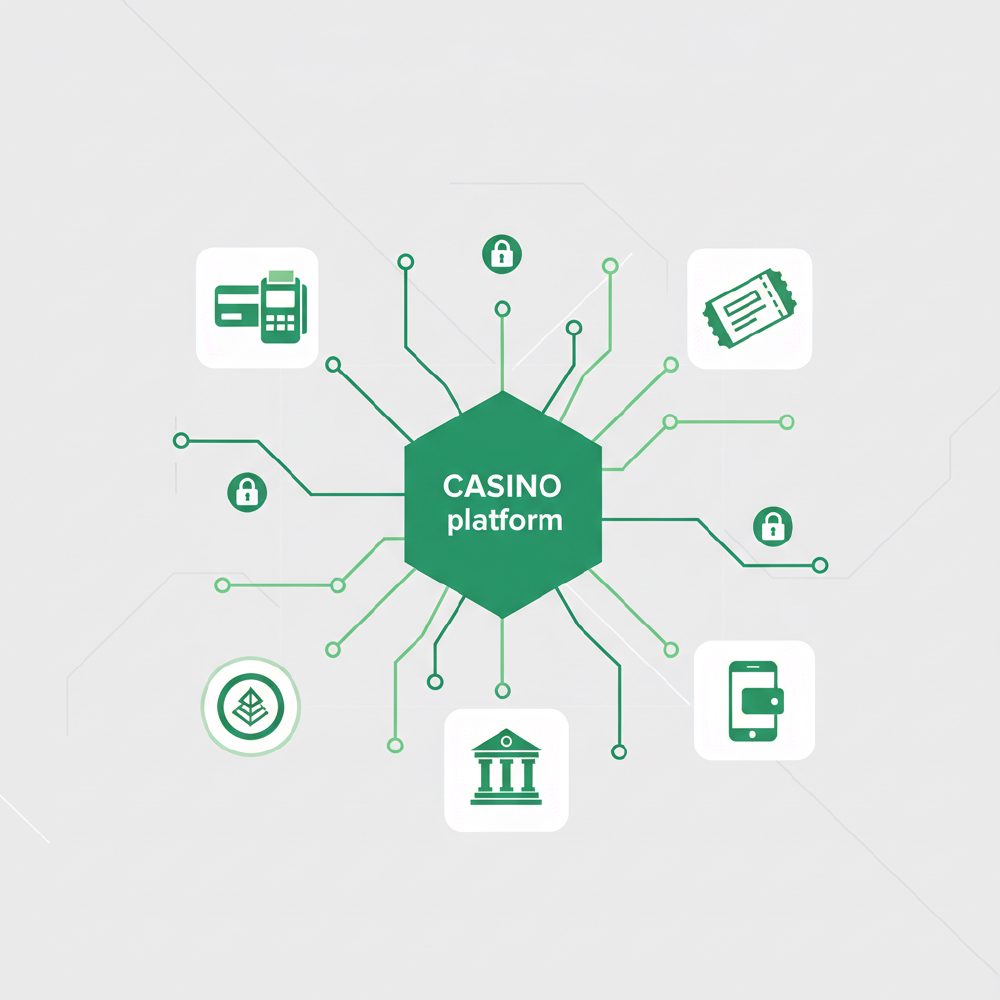
What makes a payment gateway 'high-risk' for iGaming operators?
Card networks and acquiring banks classify online gambling as high-risk because of elevated chargeback rates, regulatory complexity, and reputational exposure. That classification limits which processors will touch the vertical at all, and it directly determines the fees, reserve structures, and compliance requirements you face from day one.
Visa and Mastercard assign merchant category code 7995 to gambling transactions. Banks that underwrite MCC 7995 merchants face stricter capital requirements and periodic audits, so most mainstream acquirers simply refuse the category. The processors that do accept it price in the risk: expect a 3%-8% discount rate on card transactions, a rolling reserve of 5%-10% held for 90-180 days, and a chargeback threshold that triggers account review at around 1% (versus 2% for standard merchants). Chargebacks in iGaming are structurally higher because players dispute losing deposits, that is a behavioral reality, not a processing anomaly.
The license you hold reshapes your risk profile significantly. An MGA license or a regulated US state license (New Jersey DGE, Pennsylvania PGCB) signals to acquirers that you operate under genuine AML and player-protection frameworks. That translates to lower reserves and access to direct Visa/Mastercard acquiring relationships. A Curaçao eGaming or Anjouan license gets you processed, but typically through intermediary acquiring banks in Cyprus, Malta, or Eastern Europe, which adds a layer of counterparty risk and slightly higher fees. Operators who skip this analysis and sign with the first gateway that responds to their inquiry almost always end up renegotiating or migrating within twelve months.
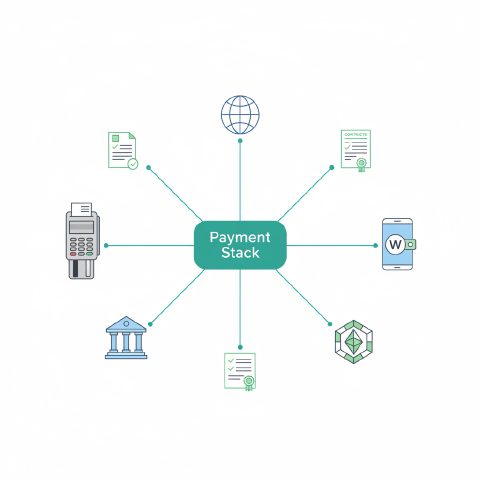
Beyond cards, the high-risk label applies to the entire payment stack: e-wallets, bank transfers, and crypto on-ramps all carry iGaming-specific terms. Skrill and Neteller (both Paysafe Group) have explicit iGaming programs but require proof of licensing before activation. Crypto processors like CoinsPaid or B2BinPay operate under fewer banking constraints but introduce their own compliance layer around FATF travel rule compliance and wallet screening. Understanding the risk classification is not bureaucratic box-ticking, it directly determines which providers will talk to you and what your true cost of funds will be.
Which iGaming payment providers are the strongest options in 2026?
The shortlist for 2026 includes Nuvei, Payneteasy, PayRetailers, CoinsPaid, Paysafe (Skrill/Neteller), Praxis Tech, and Stripe's restricted-market program for licensed operators. Each serves a different combination of geography, license type, and payment method mix. Picking the right one depends on where your players are, not which vendor has the best sales deck.
Nuvei (TSX: NVEI) has built one of the most complete iGaming stacks available, covering card acquiring, local payment methods across 200+ markets, and crypto settlements. Their iGaming vertical team understands the regulatory nuance, they can support New Jersey-licensed operators with compliant card processing and simultaneously handle LATAM local methods like PIX in Brazil or PSE in Colombia. Their pricing is not the cheapest on the market, but the operational overhead savings from having fewer integration points often justify the premium. Expect a setup fee in the range of $5,000-$15,000 and transaction fees that vary by method and region.
PayRetailers is the name I recommend most often for operators targeting Latin America specifically. They aggregate local bank transfers, cash vouchers (OXXO in Mexico, Boleto in Brazil), and local card networks across fifteen-plus LATAM countries through a single API. For an operator launching in Colombia under a Coljuegos license or in Peru under MINCETUR, PayRetailers solves the local payment method problem in one integration rather than five. Their iGaming experience is deep, they understand the compliance requirements Coljuegos imposes on payment flows, which many global gateways do not.
CoinsPaid and B2BinPay dominate the crypto processing space for casino operators. CoinsPaid processed over $7 billion in crypto transactions in 2022 (their own published figure) and supports 50+ cryptocurrencies with instant conversion to fiat. For crypto-native casinos operating under a Curaçao or Anjouan license, this is the backbone of the payment stack. The key operational consideration is that you need a wallet screening and transaction monitoring solution (Chainalysis, Elliptic, or similar) layered on top, the processor handles the rails but not the compliance intelligence. Praxis Tech sits in a different category: it is a payment orchestration layer rather than a direct acquirer, connecting your platform to 400+ PSPs through one integration. For operators who want flexibility to swap acquirers without re-engineering their checkout, Praxis is genuinely useful.
| Provider | Best For | Regions | Card Acquiring | Crypto | Typical Setup Fee |
|---|---|---|---|---|---|
| Nuvei | Full-stack licensed operators | Global (200+ markets) | Yes (direct) | Yes | $5,000-$15,000 |
| PayRetailers | LATAM local methods | LATAM (15+ countries) | Yes (regional) | No | $2,000-$5,000 |
| CoinsPaid | Crypto-native casinos | Global | No | Yes (50+ coins) | $1,000-$3,000 |
| Praxis Tech | Payment orchestration | Global | Via PSP network | Via PSP network | $3,000-$8,000 |
| Paysafe (Skrill/Neteller) | EU e-wallet players | EU, select global | No (e-wallet) | Limited | Varies by program |
| Payneteasy | Eastern Europe, CIS | EU, CIS, LATAM | Yes | Yes | $2,000-$6,000 |
| B2BinPay | Crypto-first operators | Global | No | Yes (150+ coins) | $500-$2,000 |
How do processing fees actually break down for casino operators?
Casino operators pay a discount rate on each transaction, a monthly account fee, a setup or onboarding fee, and often a rolling reserve that is not a fee but does lock up working capital. The all-in cost is usually 30-50% higher than the headline rate in the sales deck, and that gap surprises operators who have only processed in lower-risk verticals.
The discount rate is the percentage withheld from each transaction. For Visa/Mastercard card deposits at a Curaçao-licensed casino, 4%-6% is a realistic range in 2025-2026. MGA-licensed operators with clean chargeback histories can negotiate down to 3%-4% with established acquirers. Operators running crypto-only will see 0.5%-1.5% on crypto rails, which looks dramatically better until you account for conversion spreads and the cost of compliance tooling. Local bank transfer methods (PIX, SEPA, faster payments) typically run 1%-2.5% and carry the lowest chargeback risk, which is why building a diverse payment mix matters beyond just covering player preferences.
Rolling reserves are the hidden cash drain. A 10% rolling reserve held for 180 days means that for every $100,000 processed, $10,000 sits with the acquirer for six months. If you are processing $500,000 per month at launch, you have $300,000 tied up in reserves by month six. That is real working capital you cannot deploy for bonuses, marketing, or operations. Some acquirers negotiate reserve release schedules after twelve months of clean processing history, build that into your contract negotiation from the start, not as an afterthought.
Chargebacks carry their own fee structure on top of the processing cost. Each chargeback typically costs $25-$50 in representment fees regardless of outcome. If your chargeback rate exceeds 1% of transactions (Visa's threshold) or 1.5% (Mastercard's), you enter a monitoring program that adds monthly fines of $5,000-$25,000 and can ultimately result in account termination. Operators who rely heavily on bonus-hunting traffic or who have weak KYC at deposit tend to see chargeback rates spike. Tightening identity verification at the payment step, not just at withdrawal, is the most effective operational lever for keeping chargebacks manageable.
| Payment Method | Typical Discount Rate | Chargeback Risk | Reserve Requirement | Best License Tier |
|---|---|---|---|---|
| Visa/Mastercard (card) | 3%-6% | High | 5%-10% / 180 days | MGA, US state, UKGC |
| Crypto (BTC, ETH, USDT) | 0.5%-1.5% | Very Low | None typically | Curaçao, Anjouan |
| Local bank transfer (PIX, SEPA) | 1%-2.5% | Very Low | Low or none | Any regulated |
| E-wallet (Skrill, Neteller) | 2%-4% | Low | Varies | MGA, UKGC preferred |
| Voucher/cash (OXXO, Boleto) | 2%-4% | None | None | LATAM regulated |
| Open banking / A2A | 0.5%-1.5% | Very Low | Low | EU regulated |
Does your gambling license determine which payment gateways will work with you?
Yes, and this is one of the most underestimated decisions in a casino launch. Your license jurisdiction is the first filter every payment provider applies. A Curaçao license opens roughly 60-70% of the high-risk gateway market. An MGA or US state license opens nearly all of it, often at better rates. An unlicensed operation gets doors slammed.
Curaçao eGaming (now operating under the revised 2023 National Ordinance framework) and Anjouan (AOCL) are the most accessible entry points for new operators. Both are accepted by the majority of high-risk acquirers and crypto processors. The practical limitation is that these licenses do not satisfy Visa and Mastercard's preferred acquirer programs, so you end up relying on intermediary banks in jurisdictions like Cyprus, Seychelles, or Bulgaria. That adds counterparty risk and typically 0.5%-1.5% to your effective processing cost compared to a direct acquiring relationship.
The MGA (Malta Gaming Authority) license is the gold standard for EU-facing operators and is recognized by tier-one acquirers including Worldline, Nuvei, and Elavon. MGA licensees can access direct Visa/Mastercard acquiring, which means lower fees, faster settlement, and a much stronger negotiating position on reserve terms. The license itself costs roughly €25,000 in application fees plus a €25,000 compliance contribution annually, and the process takes six to twelve months. For operators who plan to serve European players at scale, the MGA economics justify the upfront investment within the first year of processing volume.
US state licenses operate in a completely different universe. New Jersey (DGE), Pennsylvania (PGCB), Michigan (MGCB), and others require you to work with state-approved payment processors. Operators in these markets typically work with FIS, Sightline Payments, or ACH-focused processors that have completed the state's vendor registration process. Card processing in US iGaming is still complicated by the Unlawful Internet Gambling Enforcement Act (UIGEA), which means ACH, PayPal (where approved), and branded play+ cards dominate the payment mix rather than standard card acquiring. If you are entering the US market, assume a completely different payment architecture than your offshore or EU operation.
How long does it take to get a high-risk casino merchant account approved?
Realistically, four to twelve weeks from submitting a complete application to receiving live processing credentials. The range depends on your license jurisdiction, the acquirer's current iGaming onboarding queue, and how clean your documentation package is. Operators who submit incomplete KYB documents or who cannot show a functioning platform demo routinely add four to six weeks to that timeline.
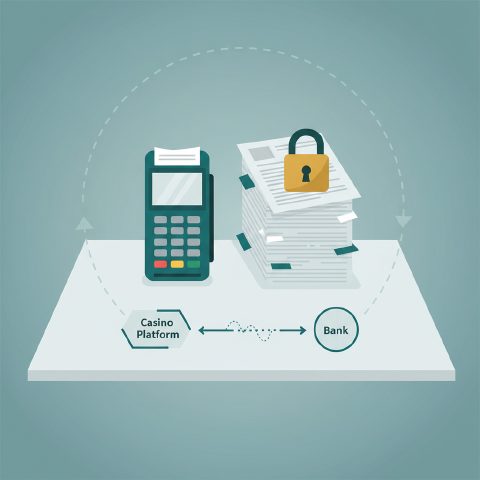
The merchant underwriting process for iGaming is more intensive than most founders expect. You will need to provide corporate structure documentation (certificate of incorporation, UBO declarations, shareholder registry), proof of gambling license, AML and responsible gambling policies, a website review, and often a live platform demo showing your KYC and age verification flows. Acquirers are not just checking that you are legal, they are assessing whether your operational controls will keep chargebacks low. A platform that shows a clear deposit-to-KYC flow and a visible responsible gambling section will move through underwriting faster than one that looks like it was assembled over a weekend.
Crypto processor onboarding is faster, typically two to four weeks, because the underwriting is lighter and the regulatory exposure is lower for the processor. CoinsPaid and B2BinPay can sometimes get an account live in ten to fourteen days if your license documentation is clean. That speed advantage makes crypto processing a useful bridge for operators who want to go live while their card acquiring application is still in review. Just be aware that crypto-only operations face higher player friction in markets where card and bank transfer are the dominant deposit methods.
One practical tip: apply to three or four acquirers simultaneously rather than sequentially. The approval process is not exclusive, and having competing offers in hand gives you negotiating leverage on rates and reserve terms. Operators who apply to one gateway, wait for the outcome, then apply to the next one waste two to three months. The underwriting teams at different acquirers do not talk to each other, so parallel applications are standard practice in the industry.
What is payment orchestration and do casino operators actually need it?
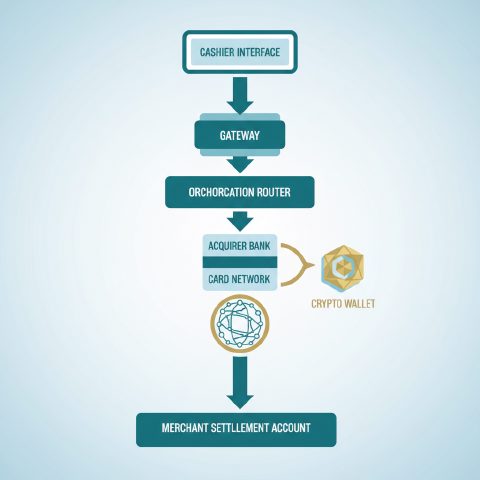
Payment orchestration routes each transaction through the optimal processor in real time, maximizing approval rates and minimizing cost. For a casino processing over $200,000 per month across multiple geographies, it pays for itself. Below that volume, the integration overhead usually outweighs the benefit and a direct gateway relationship is simpler.
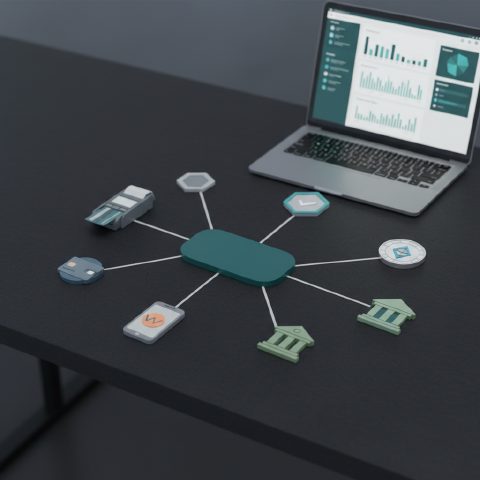
Orchestration platforms like Praxis Tech, Ixaris (now part of Visa), and IXOPAY sit between your casino platform and your portfolio of PSPs. When a player initiates a deposit, the orchestration layer evaluates the transaction in milliseconds, checking the card BIN, the player's geography, your current approval rates by acquirer, and your routing rules, then sends the transaction to the PSP most likely to approve it at the lowest cost. For operators running traffic from ten or more countries with a mix of card, e-wallet, and local payment methods, this is not a luxury. It is infrastructure.
The measurable impact is on authorization rates. A direct integration to a single acquirer might achieve 70%-75% authorization on international card deposits. A well-configured orchestration layer routing the same traffic across three acquirers can push that to 85%-90%. On $1 million in monthly deposit attempts, that 15% difference is $150,000 in deposits that either land or do not. The math is straightforward. Praxis Tech in particular has deep iGaming-specific routing logic built in and connects to over 400 PSPs, which means you can add or swap acquirers without rebuilding your checkout integration.
The cost of orchestration adds a layer: typically $0.05-$0.15 per transaction plus a monthly platform fee of $1,000-$5,000 depending on volume. The break-even point for most operators is around $150,000-$250,000 in monthly processing volume. Below that, a direct integration to two complementary gateways (say, Nuvei for cards and CoinsPaid for crypto) achieves most of the benefit without the orchestration overhead. The SoftSwiss Game Aggregator and EveryMatrix's CasinoEngine both have native PSP integrations that provide a simplified version of routing logic for operators on those platforms, which is worth noting if you are already using one of those back-end stacks.
How should operators handle crypto payments without creating compliance problems?
Crypto payments reduce card processing costs and open markets where card acquiring is difficult, but they create AML compliance obligations that many operators underestimate. The core requirement is transaction monitoring and wallet screening at deposit and withdrawal. Skipping this step is how operators end up with regulatory sanctions or processor terminations.
The FATF travel rule, which requires originator and beneficiary information to be passed with crypto transfers above certain thresholds, is now enforced in the EU under MiCA and in a growing number of offshore jurisdictions. For a casino accepting crypto deposits, this means you need a wallet screening solution that checks incoming addresses against sanctions lists, darknet market associations, and mixer activity. Chainalysis KYT, Elliptic Navigator, and TRM Labs are the three dominant providers. Budget $1,000-$3,000 per month for a mid-volume operation. This is not optional if you hold an MGA license or operate in any EU-adjacent jurisdiction, it is an AML program requirement.
Stablecoin deposits (USDT, USDC) have become the dominant crypto deposit method in iGaming because they eliminate the FX volatility problem for both the player and the operator. CoinsPaid reports that USDT now accounts for the majority of their iGaming transaction volume. From an operator perspective, USDT deposits that auto-convert to EUR or USD at settlement give you predictable revenue accounting without holding crypto on your balance sheet. B2BinPay offers a similar auto-conversion feature. The accounting treatment varies by jurisdiction, confirm with your auditor how your jurisdiction treats crypto-to-fiat conversion for gaming revenue reporting purposes.
One operational risk that catches operators off guard: crypto withdrawal delays. Players who deposit in crypto expect withdrawals in crypto, often within minutes. If your treasury management process requires manual approval for large crypto withdrawals, you will generate player complaints and potential chargeback equivalents (crypto disputes through the platform). Build automated withdrawal approval up to a defined threshold (say, $2,000 equivalent) with manual review above that. Most B2B crypto processors support this workflow natively.
What payment methods do players in different regions actually use, and does it matter for gateway selection?
Player payment preferences vary dramatically by region, and mismatching your payment stack to your target market is a direct conversion killer. EU players expect cards and e-wallets. LATAM players rely heavily on local bank transfers and cash vouchers. North American players lean on ACH and branded prepaid cards. Crypto skews toward Asia and emerging markets.
In Western Europe, Visa and Mastercard card deposits still dominate but face growing competition from open banking and instant bank transfer solutions (Trustly, Volt, Tink). Skrill and Neteller retain a loyal base among experienced casino players who prefer not to expose their card details. For an MGA-licensed operator targeting Germany, the UK, or Scandinavia, a stack of Nuvei for cards, Trustly for bank transfers, and Skrill/Neteller for e-wallets covers the vast majority of deposit preferences. Note that Germany's GlüNeuRStV regulations impose deposit limits and specific payment flow requirements that your gateway must support technically, not all processors have built this compliance layer.
Latin America is where payment method diversity becomes genuinely complex. Brazil alone has PIX (instant bank transfer, launched 2020, now the dominant digital payment method in the country), Boleto Bancário (cash voucher), and local credit cards that often require installment payment options. Colombia requires compliance with Coljuegos payment regulations, which mandate local bank transfer options and restrict certain international card flows. Mexico's OXXO cash voucher network covers unbanked players who represent a significant share of the gambling market. PayRetailers and SafetyPay are the two providers I consistently recommend for LATAM coverage because they have built the local banking relationships required to actually process these methods reliably, not just list them on a features page.
For operators targeting Southeast Asia or the Middle East, the payment landscape shifts again toward local e-wallets (GCash in the Philippines, GrabPay across SEA) and cryptocurrency. Many of these markets have no regulated gambling framework, which means you are operating offshore and relying on crypto or local payment aggregators that accept the risk. This is a higher-risk operating model and the payment infrastructure reflects that: higher fees, less stable processor relationships, and more frequent account disruptions. Build redundancy into your payment stack from day one if you are targeting these markets.
What are the most common payment integration mistakes operators make at launch?
The four mistakes I see most often: relying on a single payment provider, ignoring the technical integration requirements until too late, underestimating reserve capital requirements, and failing to test the full deposit-to-withdrawal cycle before going live. Each one has cost operators real money and launch delays.
Single-provider dependency is the most dangerous. Payment processors terminate iGaming accounts with relatively little notice, sometimes 30 days, sometimes less. If your entire revenue flow runs through one gateway and that gateway terminates you (due to chargeback spikes, regulatory changes, or their own risk appetite shifts), you are effectively offline until you can onboard an alternative. Every operator should have at least two active processing relationships from day one, even if one handles 80% of the volume. The backup relationship needs to be live and tested, not just contracted.
Technical integration timelines are consistently underestimated. A direct API integration to a payment gateway takes two to six weeks of development time, plus testing. Operators who sign a platform agreement with SoftSwiss, EveryMatrix, or Softgamings get pre-built payment integrations as part of the package, which is one of the genuine operational advantages of white-label over custom build. If you are building on a custom platform, budget the development time honestly and do not schedule your marketing launch before payment integration testing is complete. A casino that cannot process deposits reliably on launch day burns through its marketing spend with nothing to show for it.
Reserve capital planning is the financial mistake that surprises founders most. As covered earlier, a 10% rolling reserve on $500,000 monthly volume ties up $300,000 over six months. Add to that the payment gateway setup fees, the compliance tooling costs, and the working capital needed for bonus liability, and the payment infrastructure alone can require $400,000-$600,000 in committed capital before you see net positive cash flow. Operators who model their launch financials on headline processing rates without accounting for reserves routinely hit a cash crunch at month three or four.
How do you negotiate better terms with a high-risk payment gateway?
Processing volume, license quality, and chargeback history are the three variables that move the needle in gateway negotiations. Operators who walk in with a strong license, clean processing history from a previous operation, and credible volume projections can negotiate meaningfully better rates and reserve terms than those who come in cold.
The single most effective negotiating lever is competitive tension. Apply to three or four acquirers simultaneously, get offers in writing, and let each one know you are comparing. Payment processors want iGaming volume, it is high-margin business for them despite the risk. They will sharpen their pencils if they believe they are competing for your account. The first offer is rarely the best offer, and accepting it without pushback is leaving money on the table.
License quality is the other major lever. If you are launching on a Curaçao license with plans to obtain an MGA license within twelve to eighteen months, tell that story explicitly in your merchant application. Some acquirers will onboard you at Curaçao rates with a contractual commitment to renegotiate once MGA is in place. That pathway is worth pursuing because MGA-tier pricing can be 1%-2% lower on card transactions, which compounds significantly at volume.
On reserve terms specifically, push for a tiered release schedule rather than a flat 180-day hold. A structure where the reserve percentage drops from 10% to 5% after six months of clean processing, and releases entirely after twelve months, is achievable with many acquirers if you ask for it upfront. Once the contract is signed, renegotiating reserve terms is much harder. Get it in writing before you go live, and make sure your legal review covers the termination notice period, 30 days is standard, but some contracts bury 90-day notice requirements that leave you exposed if you want to switch processors.
- Nuvei — Full-stack iGaming payment platform with direct card acquiring, 200+ local payment methods, and crypto settlement. Best for licensed operators targeting multiple regions simultaneously.
- PayRetailers — LATAM-specialist aggregator covering PIX, Boleto, OXXO, PSE, and 15+ country-specific methods through a single API. Essential for operators targeting Brazil, Colombia, Mexico, or Peru.
- CoinsPaid — Leading crypto payment processor for iGaming, supporting 50+ cryptocurrencies with auto-conversion to fiat. High transaction volumes and deep iGaming-specific compliance tooling.
- Praxis Tech — Payment orchestration layer connecting casinos to 400+ PSPs through one integration. Maximizes authorization rates through real-time routing and reduces single-provider dependency.
- Paysafe (Skrill and Neteller) — Established e-wallet programs with dedicated iGaming merchant tiers. Strong player recognition in EU markets; requires proof of licensing before activation.
- Payneteasy — High-risk acquirer with strong coverage in Eastern Europe, CIS, and LATAM. Accepts Curaçao and MGA licensees; supports both card and crypto processing under one relationship.
- B2BinPay — Enterprise crypto payment processor supporting 150+ cryptocurrencies. Competitive for crypto-native casino operations with automated treasury management and fiat conversion features.

Comments
No comments yet, be the first.