Online Casino Payment Gateway Guide 2026: What Operators Actually Need to Know Before They Sign Anything
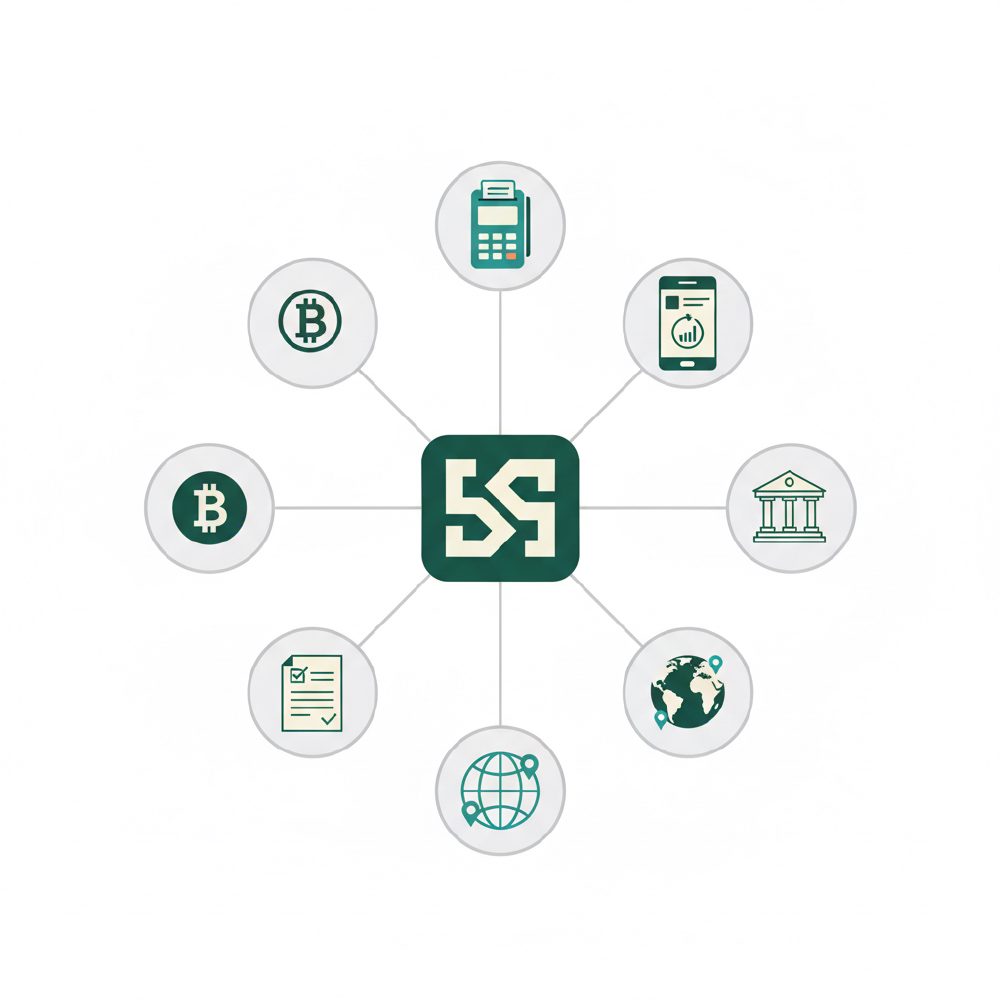
What exactly is an online casino payment gateway and how does it differ from a standard merchant gateway?
An online casino payment gateway is a technology and acquiring layer purpose-built to handle high-risk gambling transactions — processing deposits, triggering withdrawals, routing across multiple payment methods, and managing the compliance checks regulators require. It differs from a standard e-commerce gateway in its risk classification, contractual structure, reserve requirements, and the fact that most mainstream processors simply refuse the MCC code 7995.
Every major card network — Visa, Mastercard, and American Express — classifies gambling merchants under MCC 7995, a high-risk category that triggers elevated interchange fees, stricter underwriting, and the right for issuing banks to block transactions at their discretion. A standard Stripe or Square account won't touch it. The gateways that will are a smaller, specialist pool: Nuvei, Paysafe (through its iGaming vertical), Worldline's gaming division, PaySafe's NETELLER and Skrill rails, Safecharge (now part of Nuvei), and a handful of regional acquirers in markets like LATAM and Southeast Asia.
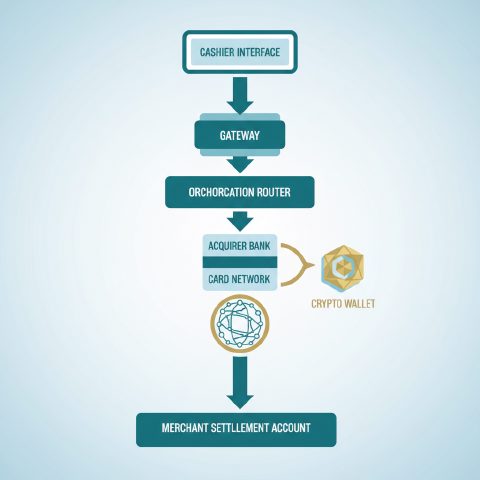
Beyond card processing, a casino-specific gateway has to orchestrate an entirely different transaction mix: e-wallets, bank transfers, vouchers like Paysafecard, real-time bank payment schemes like Open Banking in the UK or PIX in Brazil, and increasingly crypto. The gateway needs to handle instant deposit confirmation (players won't wait), asynchronous withdrawal workflows, and real-time fraud scoring — all while generating the transaction-level reporting that regulators like the MGA or UKGC require for AML audits.
The compliance layer is where the real differentiation sits. A gateway built for iGaming will carry out velocity checks, link player wallet IDs to transaction records, flag structuring patterns, and produce the SAR-ready data trails your compliance officer needs. A generic high-risk gateway retrofitted for gambling typically can't do this cleanly, which means your back-office team ends up building manual workarounds — and manual workarounds fail audits.
Which payment gateway providers actually work with online casinos in 2026?
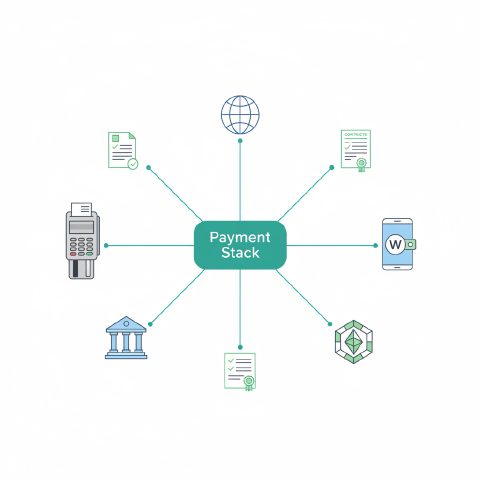
The shortlist of proven casino payment gateway providers in 2026 includes Nuvei, Paysafe, Trustly, Volt, CoinsPaid, Praxis Cashier, PaymentIQ (Devcode), and regional specialists like ECOMMPAY and Payvision. Each covers different corridors, licensing jurisdictions, and payment method mixes. No single provider covers everything — treat this as a stack, not a single vendor decision.
Nuvei is the closest thing to a full-stack option for regulated markets. After absorbing Safecharge, they offer card acquiring, alternative payment methods (APMs), crypto settlement, and a single API with genuine iGaming compliance tooling. Their pricing isn't cheap — expect acquiring fees in the 2.5–4% range depending on your volume and jurisdiction — but for an MGA or UK-licensed operator processing serious volume, the consolidation value is real. They're also one of the few acquirers willing to underwrite US-facing operators in states like New Jersey and Michigan, which is a significant differentiator.
Paysafe's iGaming vertical covers Skrill, NETELLER, Paysafecard, and their own acquiring arm. The e-wallet rails are particularly valuable in Europe, where a meaningful share of casino players still prefer Skrill or NETELLER for the privacy layer. The downside: their merchant onboarding is slow — budget six to ten weeks for full approval, not the two weeks their sales team quotes.
For Open Banking deposits in the UK and EU, Trustly and Volt are the operators to know. Trustly's Pay N Play product (popular in Scandinavia) combines KYC and payment in a single bank-auth flow, which cuts friction dramatically. Volt is newer but gaining traction for instant bank payments across multiple EU markets. Neither replaces card acquiring, but both should be in your European payment mix.
On the crypto side, CoinsPaid processes a reported 1.5%+ of global Bitcoin transactions and has deep iGaming integrations with SoftSwiss, EveryMatrix, and others. TripleA is the alternative for operators who want VASP-licensed crypto processing with a cleaner compliance posture. For offshore operators on Curaçao or Anjouan licenses, crypto often becomes the primary deposit method precisely because card acquiring in those corridors is unreliable and expensive.
| Provider | Best For | Jurisdictions Covered | Typical Acquiring Fee | Crypto Support | Onboarding Time |
|---|---|---|---|---|---|
| Nuvei | Full-stack regulated markets | EU, UK, US states, LATAM | 2.5–4.0% | Yes (native) | 4–8 weeks |
| Paysafe (Skrill/NETELLER) | EU e-wallet volume | EU, UK, Canada | 1.5–2.5% (e-wallet) | No | 6–10 weeks |
| Trustly | Open Banking / Pay N Play | UK, Nordics, EU | Fixed fee per txn | No | 3–6 weeks |
| CoinsPaid | Crypto-first offshore | Global (offshore-friendly) | 0.8–1.5% | Yes (primary) | 1–3 weeks |
| ECOMMPAY | LATAM & CEE card acquiring | LATAM, CEE, EU | 2.0–3.5% | Limited | 4–6 weeks |
| PaymentIQ (Devcode) | Aggregator / orchestration layer | Multi-jurisdiction | Platform fee + pass-through | Via integrations | 2–4 weeks |
How do rolling reserves and chargebacks actually work for casino merchants?
Rolling reserves are the acquirer's insurance policy against your chargeback liability. They hold back a percentage of every transaction — typically 5–10% — for a defined period, usually 90 to 180 days, before releasing it. Chargebacks above roughly 1% of monthly transaction volume trigger reviews, fee escalations, or outright termination. Both mechanics directly affect your working capital from day one.
Here's the practical math most operators don't model before launch: if you're processing $500,000 per month and your acquirer holds a 7.5% rolling reserve for 120 days, you have roughly $150,000 locked up at any given time — capital you can't use for bonusing, operations, or marketing. That's not a rounding error. I've seen operators hit cash-flow problems in month two not because the business was failing, but because they didn't account for the reserve drag in their funding model.
Chargebacks are the other lever. In iGaming, the primary chargeback drivers are friendly fraud (players disputing legitimate deposits after losing), failed KYC leading to disputed transactions, and payment method confusion (the billing descriptor on a player's card statement doesn't match the casino brand). Visa's standard threshold before a merchant gets flagged is 0.9% of monthly transactions; Mastercard's is 1.5% but they have a separate 'excessive chargeback program' that kicks in at 1.0%. Cross those lines and you're looking at per-chargeback fines ($15–$100 per dispute depending on the program), reserve increases, and eventually account termination.
The mitigation tools are well-understood but require implementation discipline: clear billing descriptors, 3DS2 authentication on all card deposits, real-time chargeback alerts via Ethoca or Verifi (both now owned by Mastercard and Visa respectively), and a rapid dispute response workflow. Most serious casino platforms — SoftSwiss, EveryMatrix, BetConstruct — have chargeback management hooks in their back-office, but you still need someone owning the process operationally.
One thing worth flagging: reserve terms are negotiable, particularly once you have six to twelve months of clean processing history. I've seen operators negotiate reserves down from 10% to 5% and the holding period from 180 days to 90 days after demonstrating stable chargeback ratios below 0.5%. Get the renegotiation clause written into your initial contract, not left to a verbal promise from the account manager.
Does your gambling license determine which payment gateways you can use?
Yes, directly and significantly. Your license jurisdiction is one of the first things an acquirer's underwriting team checks, and it determines which acquiring banks will work with you, which payment methods are available, and what compliance documentation you need to provide. A Curaçao license, an MGA license, and a New Jersey DGE license each open a completely different acquirer pool.
MGA (Malta Gaming Authority) and UKGC-licensed operators have access to the broadest acquirer pool. Nuvei, Worldline, and most major European acquirers will underwrite MGA merchants. The compliance burden is higher — PEP screening, enhanced due diligence, responsible gambling tools — but the commercial terms are better because the license itself de-risks the relationship for the acquirer. UKGC operators have the additional requirement that payment processors must be able to demonstrate they support the operator's self-exclusion and deposit limit obligations, which rules out some generic high-risk gateways entirely.
Curaçao (now operating under the revised Gaming Control Board framework post-2024 reform) and Anjouan licenses are still the default for offshore operators, but the acquirer pool is thinner and more expensive. Most tier-one acquirers won't touch Curaçao merchants for card processing. You're typically working with offshore-friendly processors, local acquirers in specific markets, and crypto gateways as the primary deposit channel. This isn't necessarily fatal to the business model — many offshore casinos run profitably on this stack — but you need to go in with eyes open about the card acceptance rate you'll achieve.
US state licenses are the most complex. New Jersey, Pennsylvania, Michigan, and Connecticut each have their own approved vendor lists and payment requirements. In New Jersey, for example, PayNearMe (for cash deposits at retail locations) and ACH via approved banking partners are core to the payment stack in a way that's irrelevant in any European market. The DGE requires that all payment processors serving NJ licensees register with the division, which adds another layer of vendor vetting before you can go live.
| License | Card Acquiring Access | Crypto Gateway Access | Key Compliance Requirements | Typical Acquiring Cost |
|---|---|---|---|---|
| MGA (Malta) | Broad — tier-1 acquirers available | Permitted with VASP compliance | AML, RG tools, PEP screening | 2.0–3.5% |
| UKGC | Broad — but RG obligations on processor | Permitted (FCA VASP registration needed) | GAMSTOP integration, deposit limits | 2.0–3.5% |
| Curaçao (post-2024) | Limited — offshore-friendly processors only | Widely used as primary channel | Basic AML, operator compliance program | 3.0–5.0%+ |
| Anjouan | Very limited — mostly crypto + local APMs | Primary channel | Minimal formal requirements | 3.5–6.0%+ |
| New Jersey DGE | Regulated — DGE-approved processors only | Restricted / case-by-case | DGE vendor registration, ACH, PayNearMe | 2.5–4.0% |
| MGA + Coljuegos (Colombia) | MGA pool + local Colombian acquirers | Restricted under Coljuegos rules | PSE integration mandatory | 2.5–4.5% |
Should you integrate payment gateways directly via API or use a payment orchestration layer like PaymentIQ?
For most operators launching in 2026, a payment orchestration platform — PaymentIQ, Praxis Cashier, or similar — is the faster and lower-risk path. Direct API integrations give you more control and marginally better economics at scale, but they require significant engineering time per provider and create ongoing maintenance overhead. The orchestration fee is worth it until you're processing serious volume.
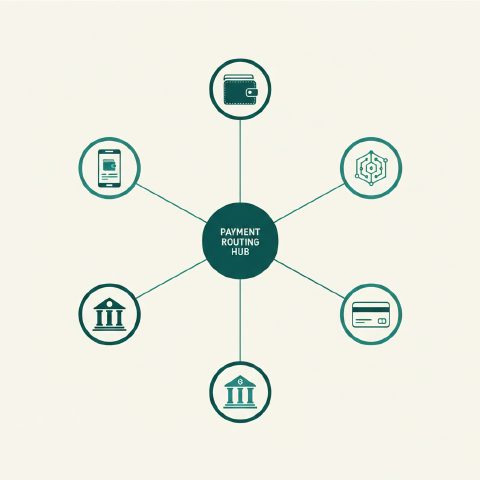
PaymentIQ (built by Devcode, now part of the Everymatrix ecosystem but sold standalone) and Praxis Cashier are the two orchestration platforms I see most often in operator stacks. Both give you a single API that connects to 300+ payment methods, handle the cashier UI, manage routing logic, and provide consolidated reporting. The practical benefit at launch is that you can add or swap payment providers without a new engineering sprint — you configure it in the back-office rather than writing code. For a small team trying to get to market in 90 days, that matters enormously.
The cost structure works like this: the orchestration platform charges a platform fee (typically a monthly SaaS fee plus a small per-transaction fee, often in the $0.05–$0.20 range depending on volume) on top of whatever the underlying payment provider charges. So your effective cost per transaction is slightly higher than going direct. At low volumes, this is irrelevant. At $5M+ monthly processing volume, it becomes worth modeling whether direct integrations with your top three or four providers save enough to justify the engineering investment.
There's also a routing intelligence argument for orchestration. PaymentIQ and Praxis both offer waterfall routing — if a transaction fails with provider A, it automatically retries with provider B. In markets with inconsistent card acceptance rates (LATAM, Southeast Asia, parts of Africa), this can lift deposit conversion by 8–15 percentage points. That's not a marginal gain; it directly affects your effective cost of acquisition. Building that routing logic yourself in a direct integration stack is a non-trivial engineering project.
My practical recommendation: launch on an orchestration layer, negotiate your contracts with two or three underlying providers directly (so you control the commercial relationship), and revisit the direct integration question at 12 months when you have real volume data. Don't let the marginal fee difference drive an architecture decision before you know which payment methods your specific player base actually uses.
What does a crypto payment gateway for online casinos actually offer beyond Bitcoin?
Modern crypto gateways for online casinos process 30+ cryptocurrencies, handle automatic conversion to fiat for settlement, provide blockchain-based transaction verification for AML purposes, and offer near-instant withdrawal processing that card-based withdrawals can't match. For offshore operators especially, crypto has moved from a niche add-on to a primary payment infrastructure component.
CoinsPaid is the market leader in iGaming crypto processing, and their integration depth with platforms like SoftSwiss's BSG (now Softswiss Game Aggregator) and standalone casino management systems is genuinely impressive. They support Bitcoin, Ethereum, Litecoin, Tether (USDT on multiple chains), BNB, and a long tail of altcoins. More importantly, they offer a 'crypto processing + fiat settlement' model where players transact in crypto but the operator receives EUR, USD, or another fiat currency — eliminating the operator's crypto price exposure if that's a concern.
TripleA operates with VASP (Virtual Asset Service Provider) registration in Singapore and several EU jurisdictions, which matters if you're building a compliance-forward operation. Their fee structure (roughly 0.8–1.2% per transaction) is competitive, and their KYC/AML tooling for crypto transactions — wallet screening against OFAC and other sanctions lists, transaction graph analysis — is more developed than most operators realize they need until their first compliance audit.
The operational advantage of crypto withdrawals is worth emphasizing to any operator who has dealt with the player experience nightmare of 3–5 day bank transfer withdrawals. A Bitcoin or USDT withdrawal confirms in minutes to hours. Players notice, and it shows up in retention metrics. Several operators I've worked with have seen measurable improvements in 30-day retention after adding instant crypto withdrawals, even among players whose primary deposit method was card.
The regulatory picture is evolving fast. The EU's MiCA regulation (fully in force from end of 2024) means that any crypto gateway serving EU players needs VASP authorization under MiCA, and some previously permissive approaches — particularly anonymous crypto deposits — are no longer viable for licensed EU operators. This is an area where the compliance requirements are genuinely changing year-to-year, so verify your gateway's regulatory status in each target market rather than assuming last year's setup still works.
What are the real costs of a casino payment gateway setup — fees operators don't see until the contract?
Beyond the headline acquiring percentage, operators routinely encounter setup fees ($500–$5,000 per provider), monthly minimums, chargeback fees ($15–$100 per dispute), rolling reserve holdbacks (5–10% for 90–180 days), currency conversion spreads, and refund processing fees. The all-in cost of payment processing is typically 1.5–2x the quoted acquiring rate when you account for all these layers.
The setup fee is usually the first surprise. Most acquirers charge a one-time underwriting and integration fee ranging from $500 to $5,000 depending on the provider and the complexity of your operation. This is non-refundable even if the application is declined after initial approval — something I've seen catch operators off guard more than once. Read the application terms before you pay anything.
Monthly minimums are the second trap. An acquirer quoting you 3% with a $2,000 monthly minimum is effectively telling you that if your processing volume drops below roughly $67,000 in a month, you'll be paying more than 3%. For a new casino in its first 60–90 days, that's a real scenario. Negotiate the minimum down or get a ramp period written in — most acquirers will agree to a 90-day minimum waiver if you push for it during contracting.
Refund and reversal fees are often buried in the fee schedule appendix. Processing a refund (as opposed to a chargeback) typically costs $1–$5 per transaction with most acquirers. In a casino context where you're processing bonus-related refunds or regulatory-mandated refunds to problem gamblers, this adds up. I've seen operators with aggressive responsible gambling programs process hundreds of refunds per month and be genuinely surprised by the line item.
Currency conversion is another area where the spread matters. If you're acquiring in USD but your players are depositing in BRL, MXN, or PLN, the FX conversion happens somewhere in the chain — either at the acquirer, the payment method, or your platform. The spread on that conversion (typically 1–3% above mid-market) is real cost that doesn't show up in the acquiring fee quote. For operators running multi-currency operations, this can be as significant as the base acquiring rate. Build it into your unit economics model before you finalize your player acquisition cost assumptions.
How do payment gateways handle AML and KYC requirements for online casinos?
Casino-specific payment gateways integrate AML and KYC tooling at the transaction level — screening against sanctions lists, monitoring deposit velocity, flagging structuring patterns, and generating audit-ready transaction records. This is not optional compliance theater; it's a contractual requirement from the gateway itself and from your license regulator, and failures here cost licenses.
The practical AML obligation for casino operators runs through both the license regulator and the payment processor. Your MGA or UKGC license requires you to have a documented AML program, conduct customer due diligence (CDD) at defined thresholds (€2,000 in a single session under the 4th EU AML Directive framework, though the 6th Directive and national implementations vary), and file SARs for suspicious activity. Your payment processor, as a regulated financial institution in its own right, has parallel obligations — and if your transaction patterns look suspicious to their compliance team, they can freeze your merchant account independently of anything your regulator does.
The better casino gateways — Nuvei, ECOMMPAY, Paysafe — have compliance APIs that feed transaction data directly into your casino platform's AML module. SoftSwiss's compliance tools, for example, can ingest payment event data and correlate it with player behavior data (session length, bet size, deposit frequency) to generate a unified risk score. This is the architecture you want; it's far more defensible in an audit than having your payment data and player behavior data siloed in separate systems that your compliance officer manually reconciles in a spreadsheet.
Source of funds (SOF) verification is the area where I see the most operational friction at growing operators. When a player's cumulative deposits cross a threshold — say, £10,000 in a rolling 90-day period under enhanced due diligence requirements — you need documented SOF evidence. Your payment gateway can help by flagging the threshold crossing automatically, but the actual SOF collection is a manual process that requires player communication. Building that workflow before you need it (not after your first regulatory inquiry) is one of those operational investments that operators consistently underestimate.
What payment methods should a new online casino prioritize for LATAM versus European markets?
LATAM and European markets have almost no payment method overlap at the operational level. Europe runs on cards, Open Banking, and established e-wallets. LATAM is dominated by local real-time payment schemes — PIX in Brazil, PSE in Colombia, OXXO Pay in Mexico, PagoEfectivo in Peru — plus a fragmented card market with low international acceptance rates. Build separate payment stacks for each region.
In Brazil, PIX is the single most important payment method for any operator targeting Brazilian players. Launched by the Banco Central do Brasil in 2020, PIX processes real-time bank transfers 24/7 with near-instant confirmation and near-zero friction. Acceptance rates for PIX deposits in the Brazilian iGaming market are dramatically higher than for international card transactions, where issuer blocks on gambling MCC codes are common. Operators who launched in Brazil before building PIX integration consistently report it as their biggest early-stage mistake. The regulated Brazilian market (Law 14,790/2023 now in force, with SECAP overseeing licensing) requires licensed operators to support local payment methods, so this isn't optional for anyone seeking a Brazilian license.
Mexico is more fragmented. OXXO Pay (cash deposits at OXXO convenience stores) has historically been the dominant method for a large segment of the Mexican market, particularly players without reliable bank accounts or credit cards. SPEI (the Mexican real-time interbank transfer system) is growing for higher-value players. International cards work for a segment of the market but face the same issuer-blocking issues as Brazil. Operators entering Mexico via a SEGOB license need to integrate with SPEI; operators running offshore targeting Mexican players need OXXO Pay or a local voucher alternative.
In Europe, the picture is more familiar but still fragmented by country. The UK is cards + PayPal + Open Banking (Trustly, Volt). Germany (post-GlüNeuRStV) is heavily e-wallet focused given the card deposit restrictions under the new treaty — SOFORT, Klarna, and Trustly are the practical options. The Nordics are Trustly's home turf. Poland and Czech Republic have strong local bank transfer preferences. Building a single European payment stack that works across all these markets without an orchestration layer is genuinely difficult — this is where PaymentIQ or Praxis earns its fee.
How long does it take to get a casino payment gateway account approved and live?
Realistically, four to ten weeks from application submission to live processing for a card acquirer — and that's assuming your compliance documentation is complete on day one. Crypto gateways move faster, often two to four weeks. The biggest delays are underwriting document requests and, for regulated markets, waiting for the license to be fully issued before the acquirer will proceed.
The underwriting process for a casino merchant account is more invasive than most operators expect. Beyond the standard business registration documents and bank statements, acquirers typically want: a copy of your gambling license (or conditional approval letter), your AML policy documentation, your responsible gambling policy, your website with all required regulatory disclosures live, evidence of your KYC process, a detailed business plan including projected monthly volumes, and personal background checks on all beneficial owners. Missing any of these on initial submission adds two to three weeks of back-and-forth.
One sequence issue that catches operators repeatedly: most tier-one acquirers won't begin underwriting until your license is issued, not just applied for. But your license application may require you to demonstrate payment processing arrangements. This chicken-and-egg situation is real, and the practical resolution is usually to get a conditional letter of intent from the acquirer (not a full approval, but a documented indication of willingness to proceed) that satisfies the licensing authority, then complete the full acquirer underwriting post-license. Some jurisdictions — Curaçao historically, and some state-level US regulators — are more flexible about this sequence than others.
For crypto gateways, CoinsPaid's onboarding is genuinely faster — their documentation requirements are lighter and their underwriting team is specifically set up for iGaming operators. Two to three weeks from application to live API keys is realistic if your documentation is in order. TripleA takes slightly longer due to their more rigorous VASP compliance checks, but still typically faster than card acquirers.
My practical advice: start your payment gateway applications on the same day you submit your license application, not after you receive it. Use the conditional letter approach with acquirers. And don't assume your platform provider's pre-negotiated gateway relationships will be available to you on your timeline — those deals are often volume-dependent and your new operation may not qualify for the same terms the platform vendor quoted in their sales deck.


Comments
No comments yet, be the first.