iGaming Payment Processing in 2026: How the Money Actually Moves Behind Your Casino
What exactly is iGaming payment processing and why is it different from regular e-commerce?
iGaming payment processing covers every technical and commercial layer that moves funds between a player's bank account and an operator's merchant account — deposits, withdrawals, chargebacks and reconciliation. It differs from standard e-commerce because card networks classify gambling as a high-risk MCC (7995), triggering stricter underwriting, higher fees, rolling reserves and a much shorter list of willing acquirers.
The MCC 7995 classification is the root of almost every headache operators face at the payments layer. Visa and Mastercard allow their issuing banks to block gambling transactions at the BIN level, which means your perfectly integrated acquirer can still produce a 30–60% card decline rate depending on the player's home country and issuing bank. In the UK, for instance, Lloyds and Barclays both enforce voluntary gambling blocks, and Monzo has them on by default. That alone can cut card deposit conversion by half compared to a retail merchant.
Beyond declines, the underwriting process is genuinely different. A standard SaaS business might get a Stripe account in 20 minutes. An iGaming operator needs to submit its gambling license, beneficial ownership docs, a 12-month processing history (or projections if new), and a detailed AML policy before any serious acquirer will quote a rate. The timeline from application to live processing is typically 4–10 weeks with an established high-risk acquirer like Payvision, Nuvei, or Safecharge (now part of Nuvei). Operators who try to sneak through a low-risk merchant account get terminated within weeks — and that termination goes on a MATCH list that follows you.
Withdrawals add another layer of complexity that e-commerce simply doesn't face. Regulations in most licensed jurisdictions require returning funds to the original payment method first (the 'return-to-source' rule), which means your withdrawal flow has to mirror your deposit flow exactly. If a player deposits by Visa and you can only pay out via bank wire, you have a compliance problem, not just a UX problem. This is why payment method selection at the platform design stage isn't a cosmetic decision — it shapes your entire operational and regulatory posture.
How does the payment processing flow work from deposit to settlement?
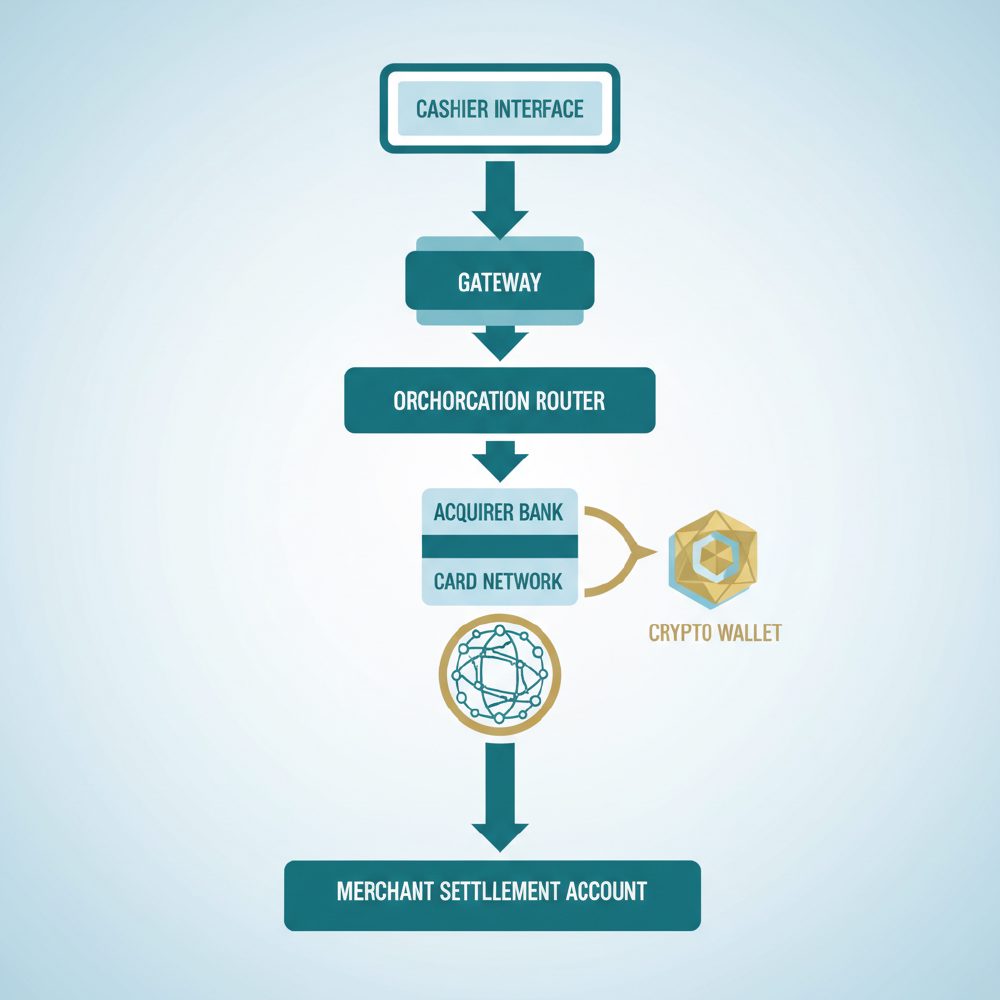
A player deposit travels through at least five distinct nodes before cash lands in your merchant account: the player's browser or app, your platform's cashier, the payment gateway, the acquirer, and the card network. Settlement — when you actually receive the funds — typically happens T+2 to T+5 business days after the transaction, minus fees and rolling reserve deductions.
Here's the technical sequence that most vendors summarize away. The player enters card details in your cashier (hosted by your platform or a third-party gateway like Checkout.com). The gateway tokenizes the card, sends an authorization request to the acquirer, who forwards it to Visa/Mastercard, who route it to the issuing bank. The issuer approves or declines in roughly 1–3 seconds. On approval, the gateway returns a success response to your platform, which credits the player's wallet and allows play. The actual capture (money movement) happens in a batch process, usually end-of-day.
Settlement is where operators get surprised. Your acquirer doesn't send you 100% of captured funds. They deduct the MDR (merchant discount rate, your processing fee), hold back the rolling reserve percentage, and may apply a chargeback fee if any disputes have been filed. What hits your bank account is net of all three. On a $100,000 gross deposit day at a 4.5% MDR with a 7% rolling reserve, you're receiving roughly $88,500 — and the $7,000 reserve sits in escrow for 90–180 days. Model this in your cash flow projections before you launch, not after.
Reconciliation is the unglamorous but critical back-office task that sits on top of all this. Your platform generates a transaction ledger; your acquirer sends a settlement report; your bank receives a wire. These three records need to match daily. Platforms like SoftSwiss and EveryMatrix have built-in reconciliation modules, but if you're on a custom build or a thin white-label, you may be doing this in spreadsheets. At scale, that breaks. Budget for a dedicated payment operations person or a reconciliation tool like Codat or a custom BI integration early.
Which payment methods should an iGaming operator prioritize in 2026?
Prioritize by market, not by personal preference. In most European markets, local bank transfer methods (Trustly, iDEAL, BLIK) now outperform cards on both conversion and cost. In LATAM, PIX in Brazil and PSE in Colombia are non-negotiable. Globally, crypto is growing fast but still represents a minority of volume. Cards remain the baseline everywhere, but they should not be your only option.
The biggest mistake I see operators make is building a card-first cashier and treating everything else as optional extras. In Sweden and Finland, open banking methods like Trustly account for over 60% of iGaming deposit volume. If you launch in those markets without Trustly live, you're handing conversion to competitors on day one. The same logic applies in Brazil post-PIX launch — the Central Bank of Brazil's instant payment rail processes transactions in seconds, 24/7, with near-zero fees for the end user, and Brazilian players have adopted it faster than any payment method I've seen in any market. Your Brazilian cashier without PIX is broken.
Crypto deserves a realistic assessment rather than hype. Bitcoin, Ethereum, USDT (TRC-20 and ERC-20) and Litecoin are the core four worth integrating. Processors like CoinsPaid, TripleA, and Coinspaid handle the crypto-to-fiat conversion automatically, so you don't need to hold crypto treasury risk unless you choose to. Fees are typically 0.8–1.5%, which is meaningfully cheaper than card acquiring. The catch: crypto users skew toward offshore and crypto-native casinos, so if you're targeting a regulated EU market, crypto will be a secondary method at best, and some regulators (Netherlands KANSSPELAUTORITEIT, for example) have restrictions on anonymous crypto deposits.
E-wallets — Skrill, Neteller, MuchBetter — remain relevant but have been losing share as open banking matures. They carry their own onboarding friction (players need a pre-funded wallet) and Paysafe (which owns Skrill/Neteller) has been tightening its iGaming merchant agreements since 2022, making approval harder for new operators. PayPal is available for iGaming in a handful of markets (UK, Germany, some US states) but the commercial terms are restrictive and approval is not guaranteed. Don't build your business model around PayPal being available.
| Market | Primary Method | Secondary Method | Crypto Viable? | Notes |
|---|---|---|---|---|
| UK | Visa/Mastercard | PayPal, Open Banking | Limited | UKGC restricts credit cards; debit only |
| Sweden/Finland | Trustly | Visa/Mastercard | Yes (offshore) | BankID verification integrated via Trustly |
| Germany | Klarna/SOFORT | Visa/Mastercard | Limited | ISTG requires strict KYC before deposit |
| Brazil | PIX | Boleto, Cards | Yes | PIX is dominant; Boleto declining |
| Colombia | PSE | Cards, Efecty | Limited | Coljuegos-licensed operators only |
| Curaçao (offshore) | Cards, Crypto | E-wallets | Yes | High card decline rates; crypto fills gap |
| US (NJ/PA/MI) | ACH, Cards | PayNearMe, PayPal | No | State-approved processors required |
What does iGaming payment processing actually cost — fees, reserves, and hidden charges?
Expect a card MDR of 3–6% for offshore iGaming, 2–3.5% for MGA or UKGC-licensed operations, plus a rolling reserve of 5–10% held for 90–180 days. Those two line items alone can represent 8–12% of gross deposit volume locked up or taken as fees. Most operators significantly underestimate this when building their P&L.
Let me break down the full cost stack because vendors rarely present it this way. The MDR is the headline number — say 4.5% on cards. But on top of that you'll typically pay: a per-transaction fee ($0.10–$0.30), a chargeback fee ($25–$50 per dispute regardless of outcome), a monthly minimum fee if your volume is low, a setup fee ($500–$5,000 depending on the acquirer), and potentially a monthly gateway fee if your gateway is separate from your acquirer. Add it up on a $200K/month deposit volume and the all-in cost can easily hit 5.5–6.5%.
Rolling reserves are the cash flow killer that first-time operators don't model. If your acquirer holds 7% of every transaction for 180 days, you're effectively fronting a 7% working capital loan to your processor. On $500K monthly volume, that's $35,000 per month being withheld — $210,000 tied up after six months. This reserve is released on a rolling basis after the hold period, but in the early months of a new operation, it's pure cash drag. Negotiate the reserve percentage and hold period before you sign, not after. Acquirers will sometimes reduce the reserve if you can demonstrate a clean chargeback ratio below 0.5% for three consecutive months.
Chargebacks deserve special attention. The card networks set thresholds — Visa's standard program triggers at 0.9% chargeback ratio, and their High Risk program (VAMP, replacing VDMP in 2025) is even stricter. Exceeding these thresholds leads to fines ($25–$100 per chargeback above threshold), mandatory remediation programs, and ultimately account termination. iGaming operators run higher chargeback rates than most industries because players dispute deposits after losing — it's called 'friendly fraud,' and it's endemic. Budget for a chargeback management tool (Chargebacks911, Ethoca/Mastercard Consumer Clarity) from day one. The cost of these tools is typically 10–20x cheaper than the chargeback fees they prevent.
| Cost Component | Typical Range | Who Charges It | Negotiable? |
|---|---|---|---|
| MDR (processing fee) | 3.0–6.0% | Acquirer | Yes — volume and license matter |
| Per-transaction fee | $0.10–$0.30 | Gateway/Acquirer | Partially |
| Rolling reserve | 5–10% for 90–180 days | Acquirer | Yes — after proven track record |
| Chargeback fee | $25–$50 per dispute | Acquirer | Rarely |
| Setup/onboarding fee | $500–$5,000 | Acquirer | Sometimes waived |
| Monthly minimum | $500–$2,000 | Acquirer | Yes — or negotiate volume commitment |
| 3DS authentication fee | $0.02–$0.05 per auth | Gateway | Minimal |
How do iGaming payment platforms and orchestration layers work?
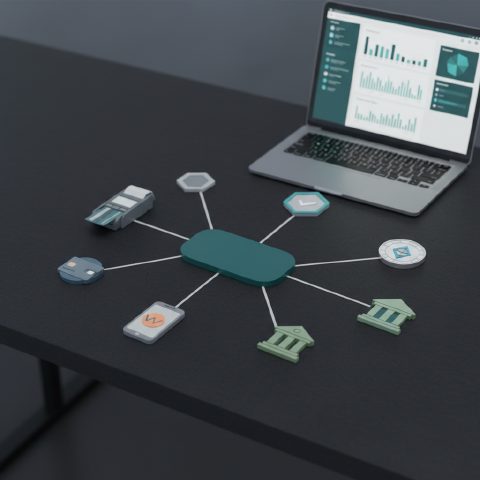
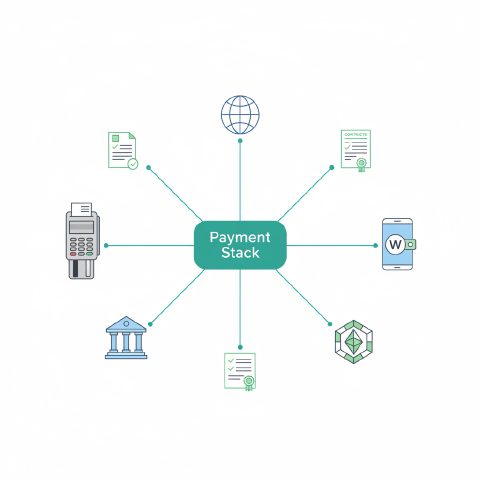
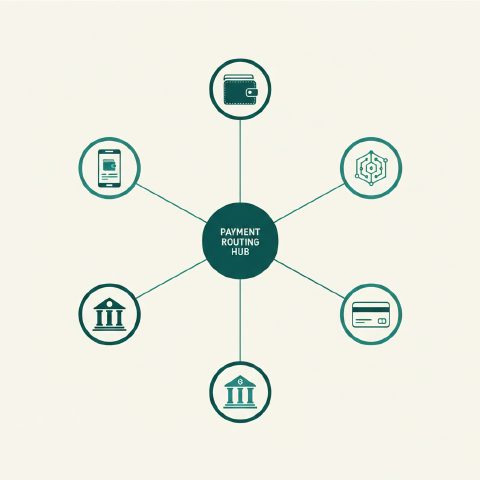
A payment orchestration platform sits between your casino cashier and multiple acquirers, routing each transaction to the processor most likely to approve it based on BIN, country, card type and real-time performance data. Orchestration reduces decline rates, eliminates single-acquirer dependency, and lets you add or swap processors without re-engineering your cashier.
Think of orchestration as a traffic controller for your payment stack. Without it, every deposit attempt goes to one acquirer — if that acquirer is down, having a bad approval rate day, or has terminated your account, your cashier is broken. With an orchestration layer like Nuvei's platform, Payrails, or Spreedly, you define routing rules: route UK Visa debit to Acquirer A, route all EU cards above €200 to Acquirer B, fall back to Acquirer C if A declines. This is called 'smart routing' and it materially improves conversion — I've seen operators move from 55% to 72% card approval rates purely by adding a second acquirer and routing by BIN geography.
Several iGaming-specific platforms have built orchestration natively. SoftSwiss has its own payment hub that aggregates 100+ payment methods. EveryMatrix's CashierEngine handles routing and reconciliation. Softgamings offers a similar aggregated cashier. The trade-off versus a standalone orchestration tool is flexibility — platform-native cashiers are faster to integrate but harder to customize, and you're dependent on the platform's acquirer relationships rather than your own. If you have volume and negotiating leverage, owning your acquirer contracts directly is almost always better commercially in the long run.
Tokenization is a component of orchestration that gets overlooked. When a player deposits by card, the orchestration layer stores a token (not the actual card number) that can be used for future transactions. This enables one-click deposits, which are a significant conversion driver for returning players. It also means that if you switch acquirers, you need to migrate tokens — a process called 'token portability' that some acquirers resist because it reduces lock-in. Negotiate token portability rights explicitly in your acquirer contract. This is one of those details that seems trivial until you're mid-migration and can't process returning player deposits.
How does licensing jurisdiction affect your payment processing options?
Your license jurisdiction is the single biggest determinant of which acquirers and payment methods are available to you, and at what cost. MGA and UKGC licenses open doors to Tier 1 acquirers at better rates. Curaçao and Anjouan licenses are accepted by fewer acquirers, forcing operators toward specialist high-risk processors with higher fees and stricter reserves.
This is the trade-off that operators optimizing for speed-to-market often miss. A Curaçao license (now issued under the new 2023 Gaming Control Board framework) can be obtained in 8–14 weeks and costs roughly $15,000–$30,000 all-in. But the payment processing consequences are significant: most Tier 1 acquirers (Worldpay, Adyen, Checkout.com) will not onboard a Curaçao-licensed operator. You're working with specialist processors like Payvision, Safecharge, Interkassa, or a network of offshore acquirers that charge 4.5–6%+ MDR and hold larger reserves. That cost differential compounds at scale.
An MGA license (Malta Gaming Authority) changes the picture substantially. MGA is a recognized EU regulator, and most major acquirers will underwrite MGA-licensed operators. Rates drop to 2.5–3.5% MDR in many cases. PayPal, Trustly, and other premium payment methods become available. The cost of the MGA license itself is higher — application fees around €25,000 plus ongoing compliance costs — but the payment economics alone can justify it at $1M+ monthly GGR. I've run the math for several operators and the break-even on licensing cost versus processing savings is typically 12–18 months of operation.
US state licenses are a category of their own. New Jersey, Pennsylvania, Michigan and West Virginia each have approved vendor lists for payment processors, and you cannot use an unapproved processor regardless of how good their rates are. ACH (bank transfer) is the workhorse in US iGaming — processors like Paysafe, PayNearMe, and Everi are common. Card acquiring is possible but decline rates are high because US issuing banks apply stringent gambling blocks. VIP Preferred (owned by Everi) and its ACH network is the dominant solution in several states. This is a completely different ecosystem from offshore iGaming, and operators who've only worked offshore consistently underestimate the US payment complexity.
What AML and KYC obligations apply specifically to iGaming payment processing?
AML and KYC in iGaming payments go beyond identity verification — they require transaction monitoring, source-of-funds checks at defined thresholds, PEP/sanctions screening, and documented risk-based procedures. Failing these obligations is the most common reason operators lose their licenses and get dropped by payment processors simultaneously.
Every major licensing jurisdiction has specific AML thresholds for iGaming. Under MGA rules, enhanced due diligence (EDD) is triggered when a player deposits or wagers €2,000 or more in a single session, or when cumulative deposits exceed certain thresholds. UKGC operators are expected to conduct affordability checks — informally called 'financial vulnerability checks' — at much lower thresholds, with the 2024 Gambling Act review pushing these even lower. Curaçao's new GCB framework introduced formal AML requirements in 2023 that didn't exist under the old sublicense system, which caught several operators off-guard.
Your payment processor is not a substitute for your own AML program — this is a critical misunderstanding. CoinsPaid, for example, runs blockchain analytics on every crypto transaction using Chainalysis or Elliptic, and will flag or reject transactions from wallets associated with sanctioned entities or dark-market activity. That's their compliance, not yours. You still need your own transaction monitoring system — tools like Napier, ComplyAdvantage, or SEON — to monitor behavioral patterns, flag unusual deposit velocity, and document your suspicious activity reports (SARs). Regulators audit your AML records, not your processor's.
Source-of-funds (SOF) checks are the friction point that operators hate and regulators love. When a player deposits £5,000 in a week, you need documented evidence of where that money came from — payslips, bank statements, investment account summaries. This creates a real operational challenge: ask too early and you kill conversion; ask too late and you're in breach. The practical answer is a tiered system with automated triggers: soft friction (document request) at one threshold, hard block at another. Most compliance-mature operators build this into their CRM workflow rather than treating it as a one-off manual process.
How do crypto payments work in iGaming and what are the real risks?
Crypto iGaming payments work through a payment processor that accepts crypto from the player, converts it to fiat, and settles to the operator's merchant account — or holds crypto if the operator wants treasury exposure. The real risks are regulatory (most jurisdictions require full KYC on crypto deposits), chargeback-equivalent fraud (blockchain reversals don't exist, but friendly fraud via chargebacks on the fiat side does), and wallet risk from illicit funds.
The most common misconception I encounter is that crypto payments bypass KYC. They don't — not on any reputable platform and not in any licensed jurisdiction. CoinsPaid, TripleA, and Coinspaid all require the operator to have KYC on the player before processing a crypto deposit above a de minimis threshold. The blockchain analytics tools these processors use (Chainalysis, Elliptic, Crystal) score every incoming wallet for risk — funds touching mixers, sanctioned addresses, or darknet markets get flagged or blocked. If you're thinking crypto is a way to run a KYC-lite operation, you're either thinking about an unlicensed casino (with all the corresponding legal exposure) or you're going to get dropped by your processor within months.
The operational advantages of crypto are real and worth stating clearly. Settlement is near-instant, 24/7 — no T+2 banking delays. Fees are lower, typically 0.8–1.5% versus 3–5% for cards. There's no chargeback mechanism on-chain, which eliminates one major fraud vector. And for markets where card acquiring is genuinely difficult (some LATAM and African markets, for example), crypto can be the most reliable deposit method available. Operators running on Curaçao licenses with a crypto-forward player base often find that 30–50% of their deposit volume is crypto, which meaningfully improves their overall payment economics.
Treasury risk is the underappreciated operational risk in crypto payments. If you receive Bitcoin and hold it before converting, a 20% price drop in a week (entirely normal for crypto) means your GGR just dropped 20% in fiat terms. Most operators use auto-conversion via their processor to eliminate this risk entirely. Some choose to hold a portion of crypto as a treasury asset — that's a CFO-level decision that requires proper accounting treatment and risk management, not something to stumble into because you forgot to turn on auto-convert. Get this setting confirmed with your processor before you go live.
How do withdrawals and payout processing work for online casinos?
Withdrawals are processed from your operator merchant account or player liability wallet back to the player's verified payment method. The return-to-source rule applies in most regulated jurisdictions — funds must go back via the same method used to deposit. Processing time ranges from instant (crypto, some e-wallets) to 3–5 business days (bank wire), and withdrawal friction is one of the top reasons players churn.
The mechanics of a withdrawal are the reverse of a deposit, but the compliance layer is heavier. Before releasing funds, your platform needs to confirm KYC is complete, the withdrawal method matches the deposit method (return-to-source), the amount doesn't exceed any pending bonus wagering requirements, and the transaction passes AML checks. Each of these is a potential failure point that creates support tickets and player dissatisfaction. The operators who handle withdrawals best treat them as a product feature, not a compliance chore — fast, transparent, with clear status updates.
Withdrawal timing is a competitive differentiator that players notice immediately. Crypto withdrawals can be near-instant. E-wallets like Skrill and Neteller typically process within 24 hours. Bank wires are 2–5 business days. Cards are the slowest — Visa and Mastercard have specific rules about refund timing, and some acquirers batch card payouts weekly. If your competitors are paying out via e-wallet in 4 hours and you're doing bank wires in 3 days, you will see it in your retention metrics. Build your withdrawal stack with speed as a design goal, not an afterthought.
Funding your withdrawal wallet is a cash management discipline that first-time operators underestimate. You need sufficient liquidity in your payout accounts at all times — a large jackpot win or a simultaneous withdrawal spike (common after a big sporting event if you run sports betting alongside casino) can drain a thin withdrawal account quickly. Most operators maintain a dedicated withdrawal reserve equivalent to 2–4 weeks of average withdrawal volume. Your payment operations team should be monitoring this daily. Some processors offer virtual IBANs or segregated payout accounts that simplify this — ask about it during onboarding.
What should operators look for when evaluating an iGaming payment platform or PSP?
Evaluate on five dimensions: geographic coverage matching your target markets, acquirer and method depth, API quality and integration time, commercial terms including MDR and reserve structure, and compliance infrastructure. A PSP that looks cheap on MDR but has weak API documentation and no chargeback management tools will cost you more in the long run.
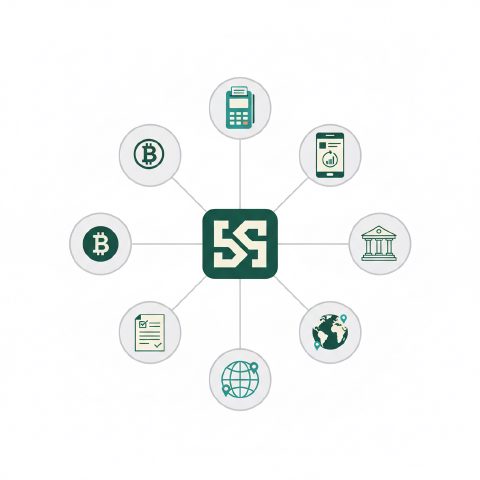
Geographic coverage is the starting point. If you're launching in Brazil, your PSP needs PIX. If you're targeting Germany, SOFORT and Klarna matter. Build your shortlist by mapping your target markets first, then filtering PSPs by coverage — not the other way around. Nuvei, for example, has strong coverage across North America and Europe but thinner LATAM coverage than a regional specialist like EBANX. CoinsPaid is excellent for crypto but obviously doesn't cover fiat. No single PSP covers everything optimally, which is why most mature operators use 3–5 providers.
API quality is something I evaluate personally now because I've been burned by poor documentation too many times. Request the API sandbox before you sign anything. Check whether webhooks are reliable (they're not at every provider). Ask how they handle partial captures, refunds, and split settlements. Look at their uptime SLA — 99.9% sounds good until you realize that's 8.7 hours of downtime per year, and if it happens on a Saturday night, you've lost significant revenue. Ask for their incident history from the past 12 months. Good providers will share it; evasive answers are a red flag.
Commercial terms need to be read in full, not summarized by a sales rep. The MDR headline rate is almost never the all-in cost. Look for: minimum monthly fees, cross-border surcharges (often 0.5–1.5% on top of base MDR), currency conversion fees, refund fees, and the specific rolling reserve release schedule. Some contracts have auto-renewal clauses with 90-day notice periods — if you want to switch providers, you may be locked in longer than you expect. Have a payments lawyer or an experienced advisor review the contract before signing. The cost of that review is trivial compared to 18 months of unfavorable terms.
| Provider | Strength | iGaming Focus | Crypto Support | Typical MDR Range | Best For |
|---|---|---|---|---|---|
| Nuvei | Global acquiring, orchestration | Yes — dedicated iGaming team | Yes | 2.5–4.5% | Mid-to-large operators, EU/NA markets |
| CoinsPaid | Crypto processing, blockchain analytics | Yes — iGaming native | Core product | 0.8–1.5% (crypto only) | Crypto-forward or offshore operators |
| Trustly | Open banking, Pay N Play | Yes — iGaming specific | No | ~1.0–1.5% (bank transfer) | EU operators, esp. Nordics |
| Payvision (ING) | High-risk card acquiring | Yes | No | 3.5–5.5% | Curaçao/offshore operators needing cards |
| TripleA | Crypto-to-fiat settlement | iGaming supported | Yes | 0.8–1.2% | Operators wanting fiat settlement of crypto |
| PayNearMe | US cash and ACH | Yes — US iGaming | No | Varies by state | US regulated state operators |
| Skrill/Neteller (Paysafe) | E-wallet, brand recognition | Yes — legacy iGaming | No | 1.9–2.9% (e-wallet) | EU operators with established player base |
What are the most common payment processing mistakes that kill new casino launches?
The four most common mistakes are: launching with a single payment method, failing to model rolling reserves in the cash flow plan, ignoring chargeback management until the ratio spikes, and assuming the platform's built-in payment solution is good enough without validating acquirer coverage in target markets. Each of these is fixable before launch — and very expensive after.
Single-method launches are the most frequent and most avoidable mistake. I reviewed a launch last year where an operator went live with card-only in a market where 45% of the target demographic primarily used bank transfers. Their deposit conversion rate was 38%. They added a local bank transfer method six weeks later and conversion jumped to 61%. Six weeks of suppressed revenue, plus the engineering cost of the rushed integration. The fix was known before launch — they just didn't prioritize it. Always launch with a minimum of three methods: cards, at least one local method, and either an e-wallet or crypto option.
Rolling reserve miscalculation is a cash flow crisis waiting to happen. I've seen operators plan their working capital based on gross deposit projections without accounting for the fact that 7% of every dollar is being withheld for six months. At $300K monthly deposits, that's $21,000 per month going into escrow — $126,000 locked up at the six-month mark. If your operating expenses are $80K/month and you planned for $300K in monthly cash flow but only receive $279K, you're not insolvent, but you're under pressure. Build the rolling reserve math into your financial model from day one.
Chargeback management is the slow-burn problem. A new operator typically has a clean chargeback ratio for the first 60–90 days because it takes time for disputes to be filed. Then the ratio starts climbing as players who deposited in month one file disputes in month two or three. By the time you notice the ratio is at 0.8%, you're already close to the Visa threshold. At 1.2%, you're getting letters from your acquirer. At 1.5%, you're on a remediation program. The operators who avoid this have chargeback management tools live from day one — Ethoca alerts and Verifi (Visa's dispute resolution service) can resolve disputes before they become chargebacks, which is the only way to keep the ratio clean in iGaming.

Comments
No comments yet, be the first.